
Lieferung heute & morgen

Qualitätsgarantie

Willkommens-Angebote freischalten: KOSTENLOSE Lieferung | Bis zu 80 % RABATT | Kostenlose 30-Tage-JoyPlus-Testphase
App herunterladen
A well-organised kitchen starts with the right storage solutions. But the market for food storage containers is crowded, and not every product delivers on its promise. As your Joybuy Product Recommendation Officer, I'm here to separate fact from marketing hype, showing you how to avoid bad purchases and find the perfect containers for your needs.
Many of us know the problem: your cupboards are full of storage containers, yet soup leaks in your bag, the aroma of tomato sauce lingers after washing, or the containers simply won't stack neatly. Before you invest, it's crucial to understand the three most common pitfalls that can quickly render a good container useless.
To avoid these problems, it's essential to focus on objective product features. Three criteria are of central importance.
The choice of material is one of the most fundamental decisions and depends heavily on your intended use.
A container is only as good as its seal. Pay attention to two components:
Functionality in daily use determines whether a container becomes a go-to favourite or just another piece of cupboard clutter.
Instead of a one-size-fits-all recommendation, we've selected products tailored to specific use cases.
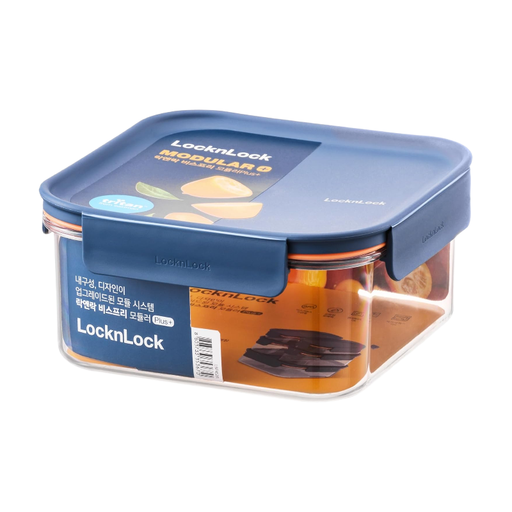
Why it's a great fit: Ideal for preparing and portioning meals. The lightweight yet durable design and compact size are perfect for taking to work or university.
The modular, stackable design directly combats fridge chaos. The airtight silicone seal ensures nothing leaks, even after repeated use.
Space-saving, modular system for maximum organisation. The transparent container allows for quick identification of its contents.
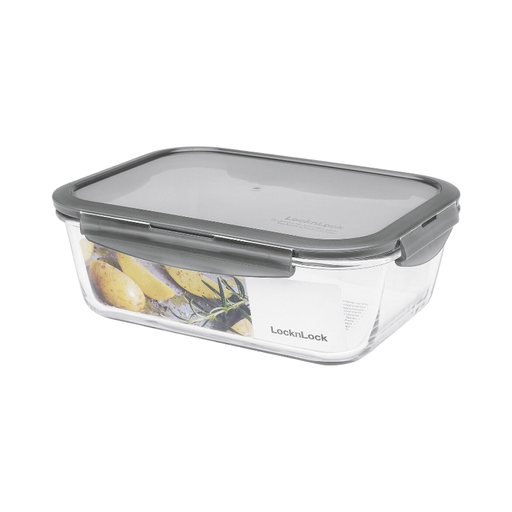
Why it's a great fit: For anyone who values material purity. Perfect for cooking, baking, serving, and storing aromatic foods without compromise.
The borosilicate glass is completely resistant to stains and odours. This entirely avoids the second common pitfall—stubborn residue.
Versatile enough to go from the oven to the freezer to the table. The material is taste-neutral, ensuring unadulterated freshness.
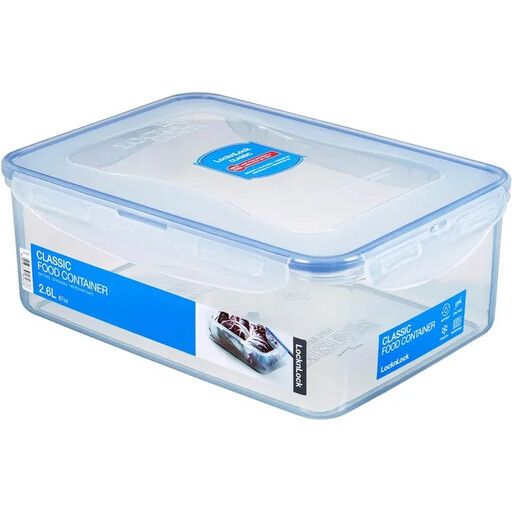
Why it's a great fit: The large capacity is ideal for family-sized portions, picnic salads, or storing baking ingredients. The integrated handle makes it easy to carry.
According to the manufacturer, the patented 4-sided locking system is designed to withstand over 3 million uses. It counters the "leak-proof" trap with extreme durability.
Large volume combined with a convenient handle and a proven, reliable locking system for everyday use.
We have compiled a complete, up-to-date list of products that fully meet these strict selection criteria and all applicable safety regulations.
Yes, as long as they are explicitly labelled as BPA-free. BPA (Bisphenol A) is a plasticiser that has come under scrutiny. Reputable manufacturers exclusively use BPA-free plastics like polypropylene (PP) for their kitchen storage containers, which are safe for food contact.
For a thorough cleaning, the silicone seal should be regularly removed from the lid. Wash it by hand with warm water and mild dish soap. For stubborn odours, it can help to soak the seal for a few hours in a solution of water and vinegar. Let the seal air-dry completely before reinserting it.
No, this is not recommended. The extreme temperature difference can cause thermal shock, which may crack the glass. Always let the container thaw at room temperature first. Additionally, the plastic lid must always be removed before heating in the oven or microwave, as it is not heat-resistant.