
Lieferung heute & morgen

Qualitätsgarantie

Willkommens-Angebote freischalten: KOSTENLOSE Lieferung | Bis zu 80 % RABATT | Kostenlose 30-Tage-JoyPlus-Testphase
App herunterladen
A well-organised kitchen starts with the right storage solutions. But the market for food storage containers is overwhelming. Who hasn't been there? The lunch box advertised as leak-proof leaves an unpleasant surprise in your bag, or the new pantry containers warp after their first trip through the microwave. Such frustrations are often the result of exaggerated marketing promises and hidden defects.
As your Joybuy Product Recommendation Officer, I'm here to help you spot these pitfalls. Instead of falling for empty marketing phrases, we'll focus on the objective features that define a quality kitchen storage container.
Common Pitfalls When Buying Food Storage Containers:
To avoid a bad buy, you should base your decision on verifiable product features. The following three criteria are crucial for the longevity and functionality of your containers.
The choice of material has the biggest impact on how you can use the container. Both options have specific pros and cons.
A reliable seal is the heart of any good food storage container. It ensures food stays fresh longer and that liquids can be transported safely.
Additional features determine how versatile a container is in daily use. Here are the most important labels and what they mean:
Based on these objective criteria, we have selected a few products for typical use cases.
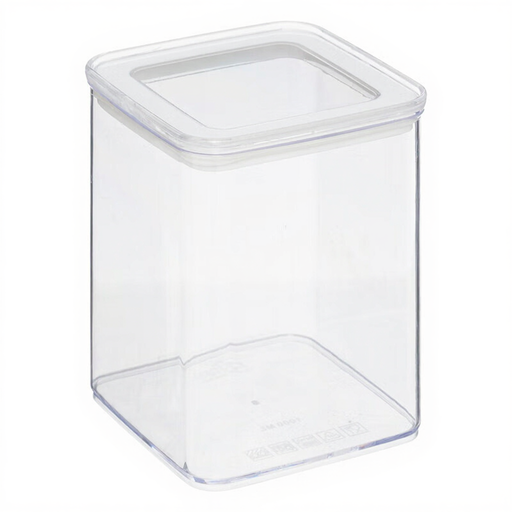
Why it's a great fit: Ideal for anyone looking to organise dry goods like pasta, rice, or flour. The transparent design lets you see what's inside at a glance without having to open each container. Its square shape makes for efficient use of cupboard space.
The design is explicitly engineered for stable stacking. Containers in the Eske series are modular and designed to interlock, preventing them from sliding and ensuring everything stays organised.
The airtight lid keeps dry foods fresh. The container is also dishwasher-safe, which makes cleaning easy.
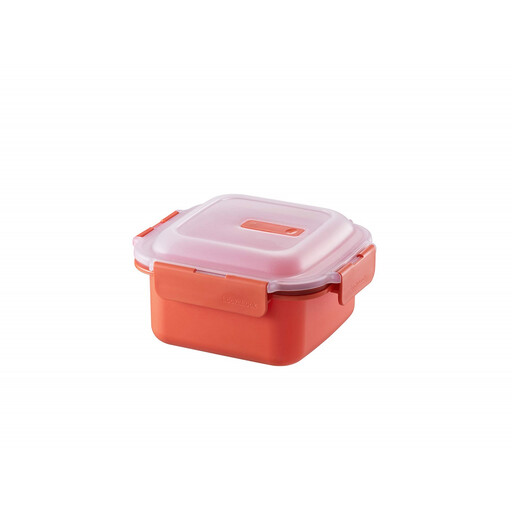
Why it's a great fit: This container was specifically designed for reheating meals in the microwave. It's a classic meal prep container for professionals and students who need a reliable and functional solution for their lunch.
The integrated steam vent in the lid solves the problem of warping. Steam can escape during heating without you needing to remove the lid. This prevents splatters in the microwave and helps the lid keep its shape.
The container is made from heat-resistant polypropylene (up to 140°C) and is BPA-free. The locking clips ensure a tight seal, making it ideal for transport.
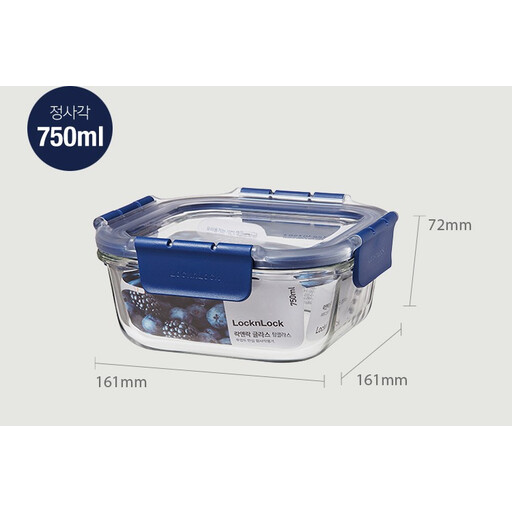
Why it's a great fit: For the discerning user who wants one container for everything: freezing, baking, reheating, and serving. This glass food storage container is an all-rounder for a healthy and efficient kitchen routine.
The heat-resistant borosilicate glass is oven-safe up to 400°C (without the lid) and won't stain. The 4-sided locking system with a silicone seal provides a reliably airtight and leak-proof closure that holds up even after frequent use.
Maximum versatility: The container is oven-safe, microwave-safe (without the lid), freezer-safe, dishwasher-safe, and, according to the manufacturer, even suitable for air fryers.
We have compiled a complete, up-to-date list of products that fully meet these strict selection criteria and comply with rigorous safety standards.
For plastic containers, it helps to rinse them with cold water immediately after use before washing with warm water and soap. Stubborn odours can often be removed with a paste of baking soda and water left to sit overnight. Odour problems are less common with glass containers. For all models, it's important to regularly remove and clean the silicone seal separately to prevent mould growth.
No, not necessarily. In the EU, Bisphenol A (BPA) is banned in baby bottles, and there are strict limits for other food contact materials. However, reputable manufacturers explicitly label their products as BPA-free. It is advisable to specifically look for this label when buying plastic containers to be on the safe side.
With borosilicate glass containers, this is usually not a problem as long as you avoid extreme temperature shocks (e.g., don't place a hot container on a cold, wet surface). For plastic containers, it's recommended to let food cool down slightly before filling and sealing the lid. Food that is too hot can cause the plastic to warp, and the vacuum created as it cools can make the lid difficult to remove.