
当日/次日达

品质保障

开启新人专享福利: 全场免邮 | 低至 2 折 | 免费试用 30 天 JoyPlus 会员
下载 Joybuy
The right food storage containers can make everyday life in the kitchen significantly easier. Not only do they help keep food fresh longer and reduce waste, but they are also indispensable tools for organization and meal prepping. However, the market is crowded, and not every product delivers on its promise. Many buyers discover only after a short time that their new containers leak, stain, or are impractical for daily use. This guide will show you what to look for to avoid common pitfalls and make an informed decision.
Before deciding on a model, it's helpful to know the typical weaknesses that often only become apparent with use.
To avoid a bad purchase, you should focus on a few crucial technical parameters. These features determine the durability, safety, and practicality of your storage containers.
The choice of material is fundamental and depends heavily on the intended use.
A reliable locking mechanism is crucial for airtight storage containers.
For maximum flexibility, the containers should be suitable for all common temperature ranges in the kitchen:
Here are some recommendations tailored to specific user profiles that take the above criteria into account.
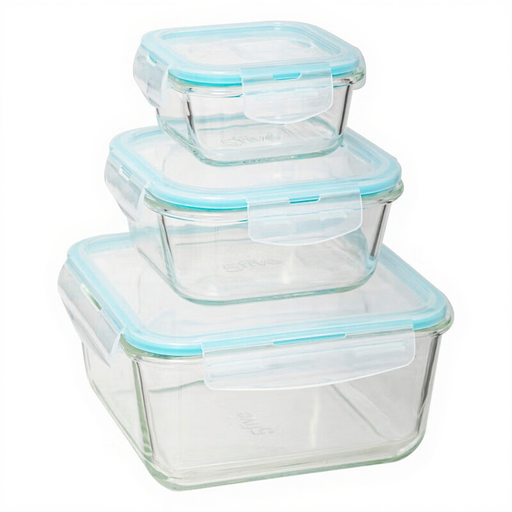
Why This Fits Their Persona: This set offers a practical entry into the world of meal prep. The three glass containers are ideal for preparing meals for several days and storing them hygienically in the refrigerator.
The glass material prevents staining and odor absorption, a common problem with plastic containers. The clip-lock lid ensures a secure seal.
Versatile storage container set made of hygienic glass; suitable for microwave (without lid), freezer, and dishwasher.
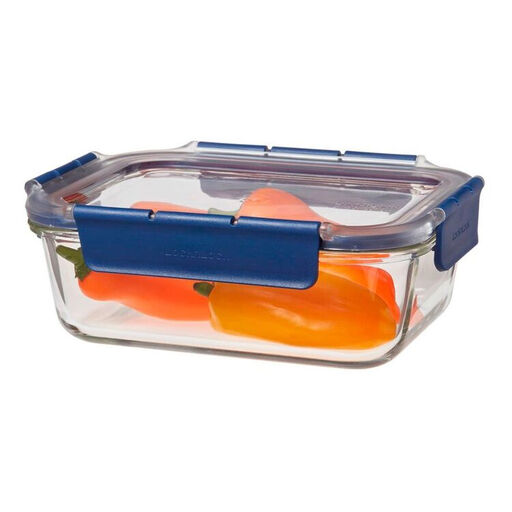
Why This Fits Their Persona: For anyone looking for a durable, all-in-one solution. This container can be used for cooking in the oven, serving at the table, and storing leftovers, which reduces cleanup.
The borosilicate glass is heat-resistant up to 400°C and withstands thermal shock better than standard glass. The patented 4-sided locking system ensures it is completely leak-proof.
Extremely temperature-resistant (oven-safe up to 400°C); durable and transparent Tritan lid; stable stacking thanks to the raised lid edge.
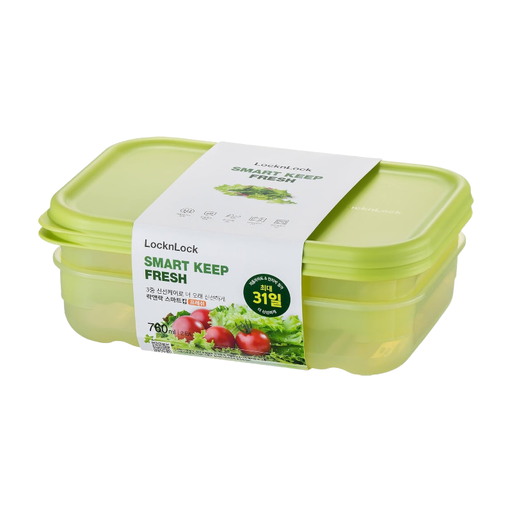
Why This Fits Their Persona: These containers are specifically designed for storing fruits and vegetables in the refrigerator. They help extend freshness while also creating order.
Instead of being a generic solution, this product addresses the specific problem of fresh produce spoiling quickly by absorbing ethylene gas.
Special feature to extend the freshness of fruits and vegetables; stackable design for an optimal refrigerator organizer.
Beyond all-purpose containers, there are also specialized options. Discover our selection of containers optimized for preparing and storing frozen items.
It is generally not recommended to put a frozen glass container directly into the microwave or oven. The abrupt temperature change can cause thermal shock, which may crack the glass. To avoid this, let the container thaw for a few minutes at room temperature. While models made of borosilicate glass are more resistant, caution is still advised. Always follow the manufacturer's instructions.
In most high-quality containers, the silicone gasket in the lid is removable. Remove the gasket and clean it separately by hand with warm, soapy water or in the top rack of the dishwasher. This effectively prevents moisture buildup, which can lead to mold or unpleasant odors. Ensure the gasket and the lid's groove are completely dry before reassembling.
When buying plastic containers, always look for the BPA-free label. Food-grade, high-quality plastic is designed for contact with food. However, if a container has deep scratches, has become warped, or is permanently stained, it is advisable to replace it. Bacteria can accumulate in scratches, and heat damage could compromise the integrity of the material.