
Lieferung heute & morgen

Qualitätsgarantie

Willkommens-Angebote freischalten: KOSTENLOSE Lieferung | Bis zu 80 % RABATT | Kostenlose 30-Tage-JoyPlus-Testphase
App herunterladen
A well-organised kitchen and less food waste—these are the goals many people have when buying food storage containers. But the market is overwhelming, and not every product delivers on its promises. Vague marketing claims and hidden defects often lead to frustration and unnecessary expense.
As your Joybuy Product Recommendation Officer, I'm here to help you identify the common pitfalls and make an informed decision. We'll focus on the facts so you can find the perfect storage containers for your kitchen.
Before you invest, it's important to know the problems that often only appear after a few weeks of use.
To avoid these pitfalls, you should check three core parameters. These determine the durability, functionality, and safety of your airtight food containers.
Each material has specific pros and cons that make it suitable for different purposes.
The lid is just as important as the container itself. A reliable seal is essential for keeping food fresh.
Check the manufacturer's specifications carefully. Is the container suitable for the freezer, microwave, and oven? A common mistake is putting the lid in the microwave or oven. Most plastic lids are not designed for this and can warp or melt. A good fridge organiser should be at least freezer- and dishwasher-safe.
Here are some product recommendations tailored to specific use cases that meet the quality criteria mentioned above.
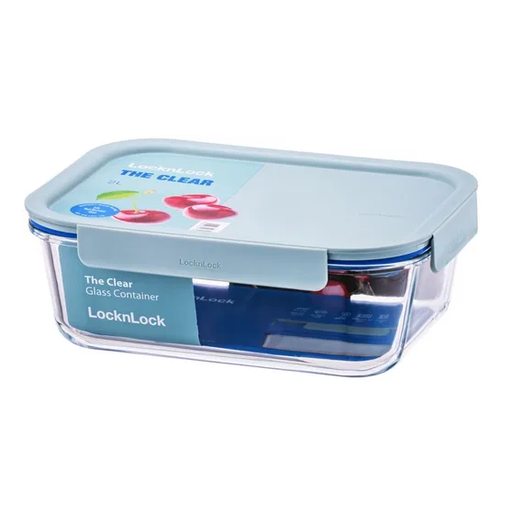
Why it's a great fit: Ideal for families or batch cooking. This container can go directly from the freezer to the oven (without the lid) and then to the table, making it a true all-rounder for leftovers, casseroles, or large salads.
The heat-resistant borosilicate glass withstands stains and thermal shock. The four-sided locking system with a silicone seal ensures a reliably airtight and leak-proof closure.
High versatility: Suitable for the freezer, fridge, microwave, and oven (without the lid). The large 2-litre capacity is practical for family-sized meals.
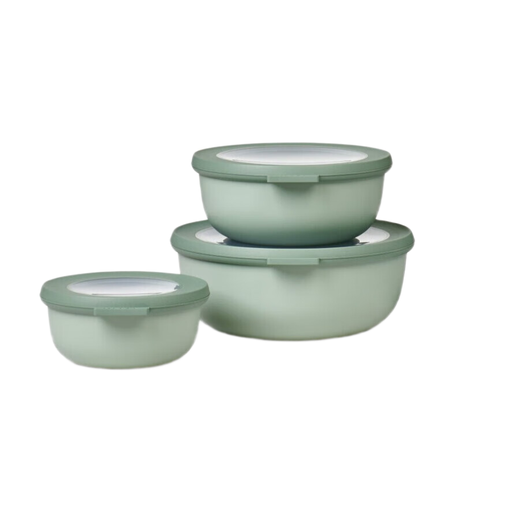
Why it's a great fit: This set is designed for the "circle of use": from the fridge or freezer to the microwave and straight to the table. The lightweight material and various sizes are perfect for preparing meals for the entire week.
The design is explicitly stackable and nestable, which solves the problem of wasted storage space. According to the manufacturer, the lid is 100% airtight and leak-proof.
Lightweight, space-saving, and optimised for the complete meal-prep cycle. The transparent window in the lid allows for a quick overview of the contents.
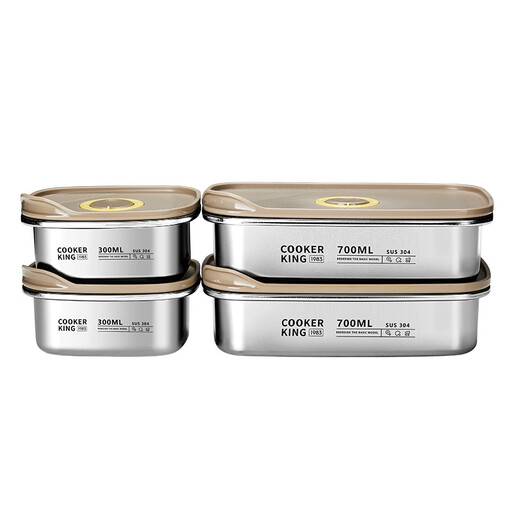
Why it's a great fit: For anyone seeking a plastic-free and extremely durable solution for storage in the fridge and pantry. Ideal for salads, snacks, or leftovers that don't need to be microwaved.
Stainless steel is resistant to drops, stains, and odours. It's an investment in a product that, with proper care, will retain its function and appearance for years, thus avoiding the material fatigue pitfall.
Made from food-grade 304 stainless steel, this set is rust-resistant, hygienic, and dishwasher-safe. The stackable design helps keep your kitchen and fridge organised.
We have curated a complete, up-to-date list of products that fully meet these stringent selection criteria.
There's no one-size-fits-all answer, as it depends on the intended use. Glass is hygienic, oven-safe, and ideal for use at home. Plastic is lightweight, shatterproof, and better for transport, such as for lunch at the office or for picnics. A combination of both materials will cover most household needs.
Rinse the containers with cold water immediately after use to prevent food from sticking. Most containers and lids are dishwasher-safe (check the manufacturer's instructions). For stubborn odours or stains (e.g., from tomato sauce), it can help to fill the container with a mixture of water and vinegar or baking soda and let it sit for a few hours. Always store the containers without their lids on to allow any residual moisture to escape.
In most cases, both the container (glass, plastic, stainless steel) and the lid are dishwasher-safe. However, it is often recommended to place the lids on the top rack of the dishwasher, as the heat on the bottom rack is more intense and could damage the seals over time. Always check the symbols or instructions from the manufacturer on the product itself.