
Lieferung heute & morgen

Qualitätsgarantie

Willkommens-Angebote freischalten: KOSTENLOSE Lieferung | Bis zu 80 % RABATT | Kostenlose 30-Tage-JoyPlus-Testphase
App herunterladen
Open bags of flour, half-empty packets of pasta, and the constant question of whether your cereal is still crunchy—a disorganised pantry not only takes up space but can also compromise the quality of your food. The right food storage containers create order, protect contents from moisture and pests, and help preserve the freshness of dry goods.
This guide is here to help. It explains which features to look for when making your selection and introduces various models designed for a structured and hygienic kitchen.
The selection of kitchen storage containers is vast. To find the perfect solution for your needs, three criteria are particularly important: material, sealing mechanism, and shape.
The choice of material affects both the handling and the longevity of the containers.
A tight seal is a crucial factor for the shelf life of your pantry items. Airtight food storage containers reliably protect contents from air and moisture, which preserves flavour and prevents clumping in items like flour and sugar. A well-sealing lid also makes the food containerspest-proof. Common systems include:
To make the most of the available space in kitchen cabinets and drawers, shape and stackability are key. Square or rectangular containers can be placed side-by-side without gaps. Stackable glass jars make efficient use of vertical space. Look for lids with a raised edge or specially designed bases that allow for secure, slip-free stacking. A dedicated cereal container with a pour spout or containers designed to hold one kilogram of flour and sugar can further simplify organisation.
Based on the criteria mentioned, we have curated a selection of products that stand out for their functional features, ideal for modern pantry organisation.
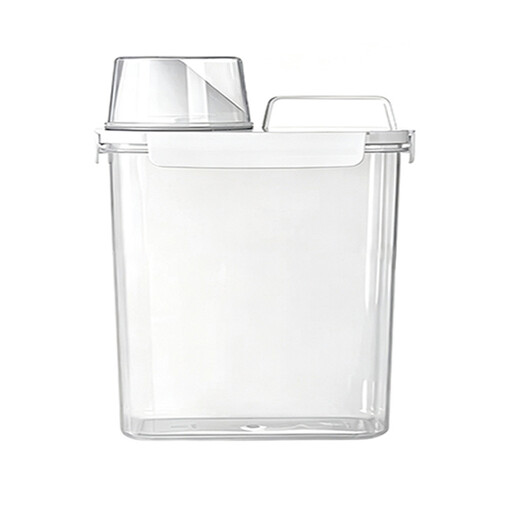
Why it stands out: With a 2.5-litre capacity, this container is specifically designed for storing larger quantities of dry foods like rice, flour, or grains. The lid features a sealing ring and a secure locking mechanism intended to protect the contents from moisture and insects.
Pros:
Who is it for? For households that buy staple foods like rice or flour in larger quantities and are looking for a reliable, pest-proof storage solution.
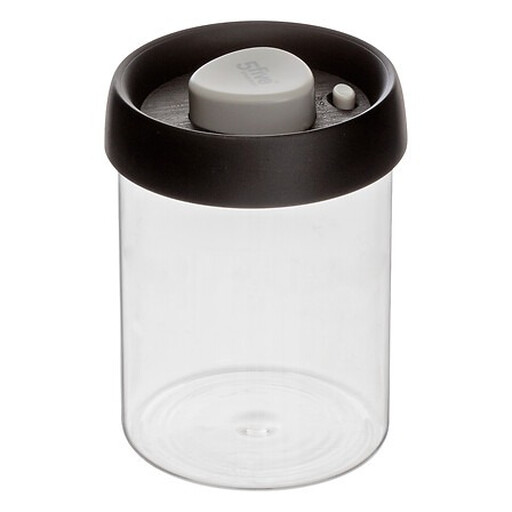
Why it stands out: This borosilicate glass container combines the hygienic benefits of glass with an innovative sealing technology. A pump system is integrated into the lid, allowing you to manually create a vacuum. This reduces the oxygen content inside and can extend the shelf life of delicate foods.
Pros:
Who is it for? For users who place a high value on maximum freshness for aromatic or oxidation-sensitive foods and prefer the material properties of glass.
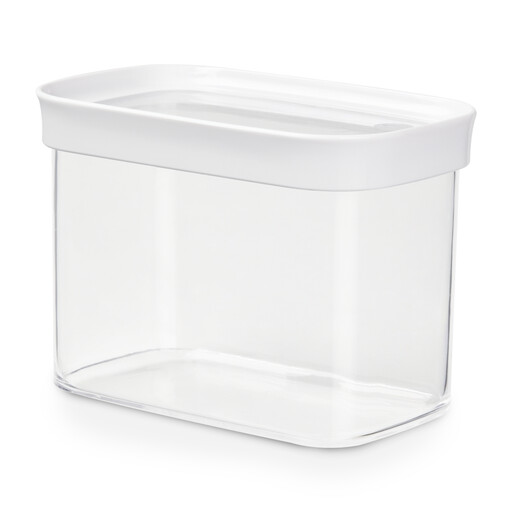
Why it stands out: The Emsa Optima series is a well-designed system tailored to standard kitchen cabinet dimensions. The containers are designed to make optimal use of space. The lid closes with an audible click, signalling a secure seal.
Pros:
Who is it for? For anyone looking for a modular and highly functional system to organise their dry goods, who values maximum space efficiency and easy cleaning.
Beyond storing food in the kitchen, there is a need for smart storage systems in other areas of the home. For example, if you are looking for special containers for pet food that keep contents fresh and protected from pests, you can find more options here.
Discover our selection of Ant-Proof Pet Food Storage Containers.
Both glass and high-quality, BPA-free plastic are well-suited for food storage. Glass is flavour-neutral, does not stain, and is very hygienic. Plastic is lighter and shatterproof, making it a practical alternative in households with children.
The key to freshness is minimising contact with air and moisture. Only fill food into completely clean and dry containers. Seal the container tightly again immediately after each use to maintain the protective effect of the airtight lid.
When buying plastic containers, look for "food-safe" and "BPA-free" labels. These products have been specifically tested for contact with food and do not release any unwanted substances. Products from established brands sold in the EU generally meet these standards.