
Lieferung heute & morgen

Qualitätsgarantie

Willkommens-Angebote freischalten: KOSTENLOSE Lieferung | Bis zu 80 % RABATT | Kostenlose 30-Tage-JoyPlus-Testphase
App herunterladen
A well-organised kitchen and the reduction of food waste are goals for many households. The right food storage containers play a central role in achieving this. They not only help you safely store leftovers from dinner but are also essential tools for meal prepping and keeping your fridge tidy.
However, with the vast array of materials, sizes, and locking systems available, making a choice can be overwhelming. This article serves as a practical guide. It explains the key criteria to consider when making your selection and presents various models for different uses to help you make an informed decision.
To find the right containers for your needs, it's helpful to compare a few key features. The material, lid, and size are crucial for everyday functionality.
The choice of material affects the heat resistance, weight, and durability of the containers.
A reliable seal is crucial for keeping food fresh and allowing for the transport of liquids like soups or sauces. Clip-on lids with a silicone gasket are considered particularly leak-proof. They press the lid evenly onto the container's rim, creating an airtight seal that preserves flavours and prevents freezer burn.
The shape of the containers is important for making efficient use of space in cupboards and the fridge.
Based on the criteria mentioned, we have compiled a selection of products suitable for specific tasks in the kitchen.
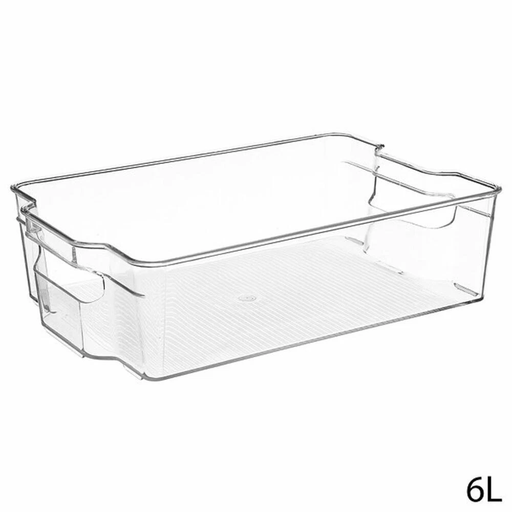
Why it stands out: This kitchen storage box, with its 6-litre capacity, is specifically designed to create order in the fridge. Its transparent design provides a quick overview of the contents.
Advantages:
Who it's for: Individuals who want structured and clear food storage in their fridge and need to accommodate larger quantities of fresh produce or supplies.
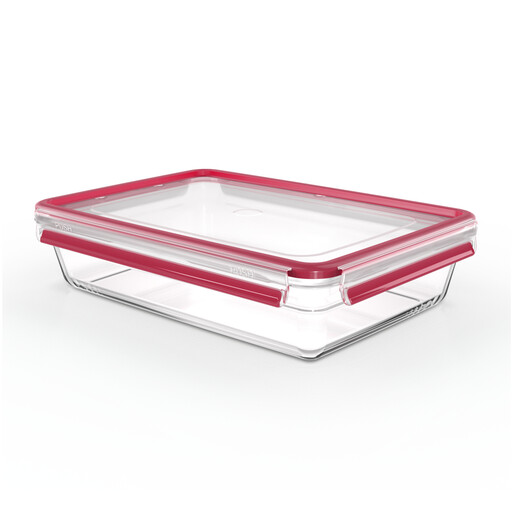
Why it stands out: This borosilicate glass container is an all-rounder for preparing, serving, freezing, and reheating meals. Its high temperature resistance makes it exceptionally versatile.
Advantages:
Who it's for: Users looking for a durable solution for the entire process, from oven preparation to freezer storage, who value the material properties of glass.
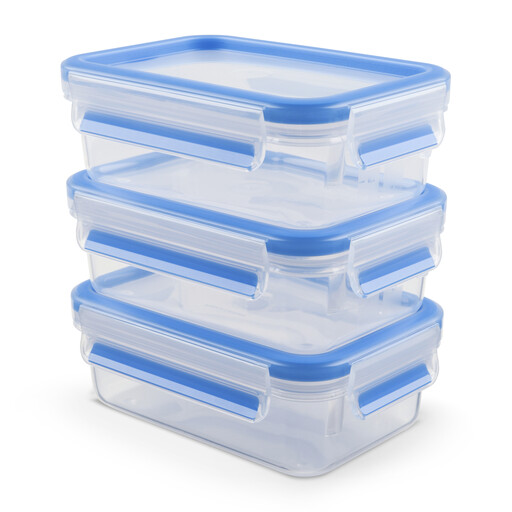
Why it stands out: This plastic food storage container set offers a practical and lightweight solution for everyday life. With three 0.55-litre containers, it is ideal for taking lunches, snacks, or for portioning out meals.
Advantages:
Who it's for: People looking for a lightweight, shatterproof, and reliably sealed solution for daily meal prepping or transporting meals.
The products featured here already cover many use cases. However, if you are looking for more specialised solutions, such as for long-term food freezing or for specific sizes, it's worth exploring a wider selection.
Discover more healthy freezer containers and find the perfect addition to your kitchen.
Both materials have their advantages. Glass is heat-resistant, non-porous, and stain-resistant, making it ideal for oven use and storing acidic foods. Plastic is lighter, shatterproof, and often more affordable, making it a great choice for transport and for households with children. The decision depends on your primary use case.
No, suitability depends on the material. Borosilicate glass containers are generally oven-safe (without the lid). Most plastic containers are only suitable for the microwave. Always check the manufacturer's instructions on the product or packaging to avoid damaging the material.
Stains, often caused by foods like tomatoes, carrots, or curry, can be minimised by rinsing the containers with cold water immediately after use before putting them in the dishwasher. For stubborn stains, it can help to scrub the container with a paste made of baking soda and water and let it sit for a few hours.