
Lieferung heute & morgen

Qualitätsgarantie

Willkommens-Angebote freischalten: KOSTENLOSE Lieferung | Bis zu 80 % RABATT | Kostenlose 30-Tage-JoyPlus-Testphase
App herunterladen
A well-organised kitchen starts with the right storage solutions. But the market for food storage containers is overwhelming, and not every product delivers on its promises. Often, poorly thought-out designs or low-quality materials lead to frustration: food spoils faster, liquids leak, or the containers warp after just a few wash cycles.
As your Joybuy Product Recommendation Officer, I'll help you recognise the common pitfalls and make an informed decision. Instead of falling for marketing claims, we'll focus on the objective criteria that define a quality storage container.
To avoid these problems, you should check three key features before buying. These define the durability, safety, and functionality of your new food containers.
The heart of any good food storage container is its seal. A simple press-on lid offers little protection. Instead, look for systems with an integrated seal, usually made of silicone, and a mechanical locking mechanism.
The material determines not only its durability but also its food safety and versatility.
For maximum order and efficiency, the design is crucial.
Based on these objective criteria, we have identified some products that are suitable for specific needs.
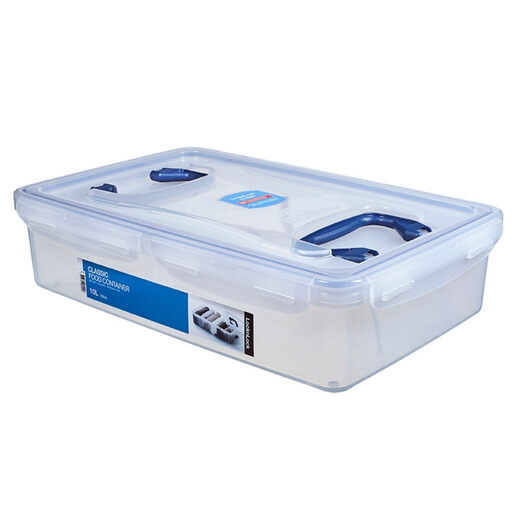
Why This Fits Their Persona: Ideal for storing large quantities, whether it's the garden harvest, supplies for a large family, or freezing soups. The integrated carrying handles make it easy to transport, even when full.
The patented six-sided locking system with a silicone seal ensures a 100% airtight and watertight seal, solving the problem of leaky lids on large containers.
Large 10-litre capacity; foldable carrying handles for easy transport and space-saving stacking.
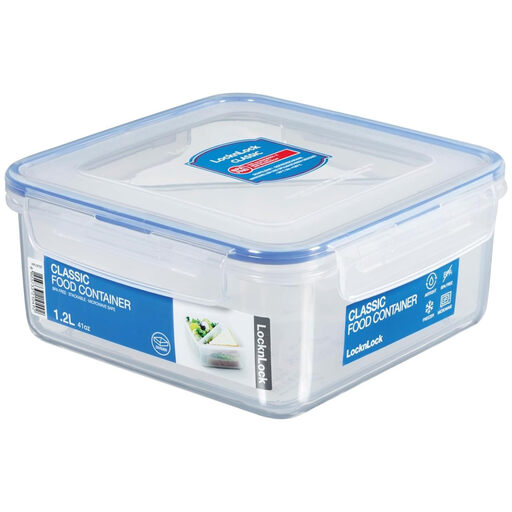
Why This Fits Their Persona: Perfect for anyone who prepares their meals and takes them to work or university as a lunchbox. The divider keeps components like salad and dressing or bread and fillings separate and fresh.
The airtight seal prevents leaks in your bag. The integrated divider solves the problem of soggy meals that occurs with simple meal prep boxes that lack compartments.
Integrated divider for organised meals; BPA-free and microwave-safe (without lid).
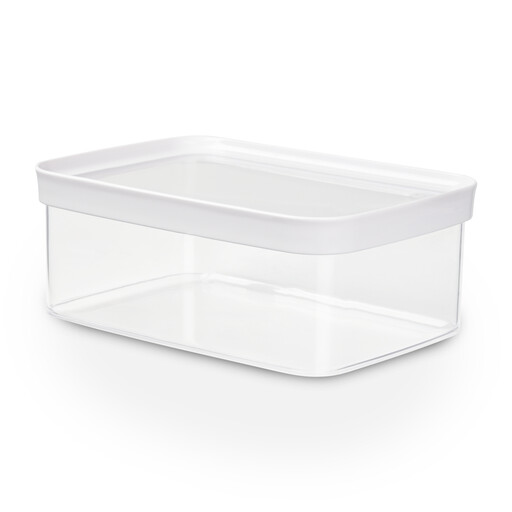
Why This Fits Their Persona: Designed for the perfect organisation of dry goods like flour, sugar, cereal, or pasta. The dimensions are tailored to standard kitchen cabinets to waste no space.
The design is explicitly focused on stackability and space efficiency, solving the problem of cupboard chaos. The lid clicks shut audibly and provides reliable protection against moisture and pests.
Dimensions optimised for kitchen cabinets; non-slip stacking edges for a secure hold; hygienic design with no crevices for germs.
We have compiled a complete, up-to-date list of products that fully meet these strict selection criteria and safety standards.
Yes, as long as they are labelled as microwave-safe and made from BPA-free plastic like polypropylene (PP). It is crucial to remove or at least open the lid before heating to allow steam to escape. Heat foods high in fat, sugar, or tomato content with caution, as they can reach very high temperatures and potentially stain the material.
For daily cleaning, most high-quality containers are dishwasher-safe (in the top rack). For stubborn stains, such as from tomato sauce, it can help to fill the container with a mixture of water and baking soda and let it sit for a few hours. Wiping with a vinegar-water solution helps against odours. It's important to let the containers and lids dry completely before reassembling.
"BPA-free" means the product was made without the chemical Bisphenol A. BPA is an industrial chemical used to make certain plastics and is suspected of being an endocrine disruptor and harmful to health. When it comes to food containers, choosing BPA-free products is an important precaution to ensure no unwanted substances leach into your food.