
Lieferung heute & morgen

Qualitätsgarantie

Willkommens-Angebote freischalten: KOSTENLOSE Lieferung | Bis zu 80 % RABATT | Kostenlose 30-Tage-JoyPlus-Testphase
App herunterladen
A well-organized kitchen is the foundation for stress-free cooking and less food waste. However, the search for the right food storage containers can quickly become overwhelming. Many products promise more than they can deliver, leading to frustration instead of organization. As your Joybuy Product Recommendation Officer, I'll help you recognize the common pitfalls and make an informed decision that fits your needs.
Before you invest, you should be aware of the most common problems that often only become apparent after a few weeks of use.
To avoid these problems, focus on three essential features. These determine the longevity, safety, and functionality of your kitchen storage containers.
The choice of material has the biggest impact on use and durability.
An airtight food container lives and dies by its sealing mechanism.
A well-thought-out design maximizes storage space and simplifies daily life.
Here are some product recommendations tailored to different user profiles that meet the quality criteria mentioned.
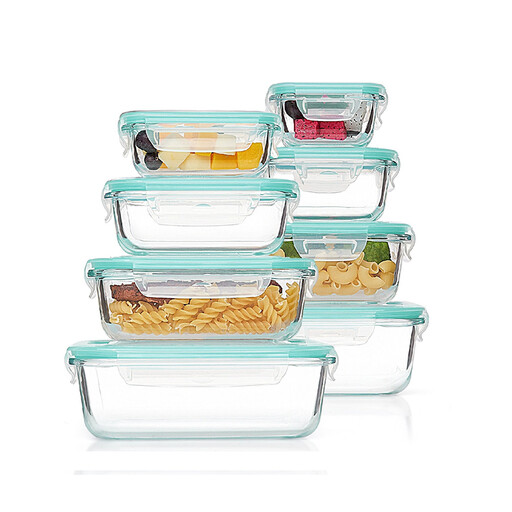
Why This Fits Their Persona: This set provides a comprehensive starter kit for various needs—from freezing leftovers to taking lunch to work. It's an economical solution for immediately switching to the hygienic and durable material of glass.
The borosilicate glass prevents staining and odor retention (Trap 2). The uniform rectangular shape of the containers ensures space-saving and tidy storage (Trap 3).
Comprehensive 8-piece set with various sizes for maximum flexibility. Suitable for microwave, freezer, and dishwasher.
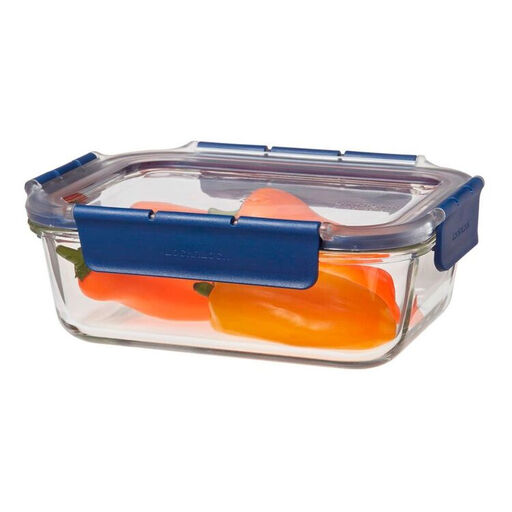
Why This Fits Their Persona: Ideal for users who value the highest material quality, durability, and versatile applications. Perfect for bringing dishes directly from the oven to the table or safely storing high-quality ingredients.
The patented 4-sided locking system ensures a permanently reliable seal (Trap 1). The heat-resistant borosilicate glass and shatterproof Tritan lid are extremely durable (Trap 2).
Oven-safe up to 400°C (glass container without lid). The raised lid edge allows for exceptionally stable stacking.
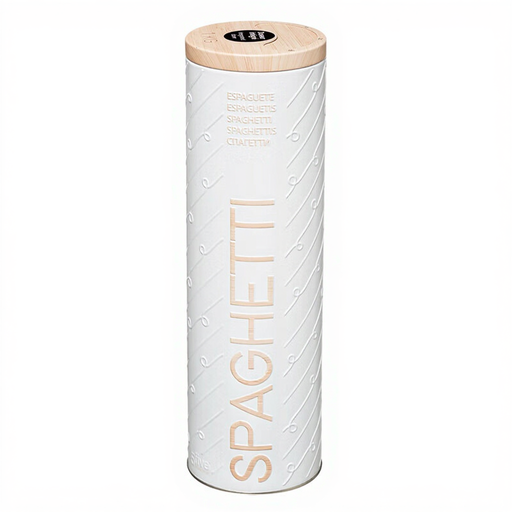
Why This Fits Their Persona: For anyone seeking an aesthetic yet functional solution to an everyday problem. This spaghetti container is not just a practical vessel but also a stylish accessory for the modern kitchen.
It offers a dedicated, highly functional solution, avoiding the impractical storage of spaghetti in open, unwieldy cardboard boxes (Trap 3). The airtight seal protects against moisture (Trap 1).
Elegant, minimalist design. The transparent body allows for easy monitoring of content levels, while the slim form saves space on the countertop or in the cabinet.
We have compiled a complete, up-to-date list of products that fully meet these strict selection criteria and safety regulations.
Both materials have their merits. Glass is ideal for long-term storage as it is completely inert, meaning it doesn't transfer substances to food or absorb odors. It's excellent for oily or heavily staining foods. Plastic (BPA-free) is the lighter and more shatterproof choice, making it particularly practical for transport, for kids, or for use in an RV.
Look for a locking mechanism that clicks shut on all four sides and a visible, continuous silicone gasket. A simple test: fill the container with water, seal it, and turn it upside down. If no water leaks out, the seal is reliable. For branded products, the durability of the seals is often proven through internal tests, such as a manufacturer's claim of several million closing cycles.
Always read the manufacturer's instructions. Most glass food containers are dishwasher-safe and can be used in the microwave without the lid. This is not always the case with plastic containers. High-quality PP or Tritan containers are generally suitable for both but should be placed on the top rack of the dishwasher. The lid should always be removed or at least placed loosely on top in the microwave to prevent pressure buildup.