
Lieferung heute & morgen

Qualitätsgarantie

Willkommens-Angebote freischalten: KOSTENLOSE Lieferung | Bis zu 80 % RABATT | Kostenlose 30-Tage-JoyPlus-Testphase
App herunterladen
A well-organised kitchen and long-lasting food are the foundation of a stress-free daily life. But all too often, leftovers spoil faster than expected, the meal you prepped for the office isn't packed in a leak-proof container, or your pantry lacks a clear overview. The right food storage container can remedy all of this.
This article serves as your guide. It highlights the key features of storage containers and presents a selection of models to make it easier for you to choose the right product.
To find the right storage container for your needs, you should consider a few fundamental criteria. The following points will help you objectively compare the features of different models.
The choice of material directly impacts the container's versatility, weight, and durability.
The lid is a crucial quality feature. An airtight seal protects food from oxidation and flavour loss, keeping it fresh for longer. A leak-proof design is essential if you plan to transport soups, sauces, or other liquids. Common systems include snap-lock lids that click into place on all four sides or special vacuum seals.
For an organised kitchen, stackablestorage boxes are a major advantage. They make efficient use of space in cupboards, drawers, and the fridge. If you prepare meals in advance (meal prep), containers that are both freezer- and microwave-safe are particularly practical. These meal prep containers allow you to take dishes directly from the freezer to the microwave for reheating.
Here is a selection of products that stand out for their specific features and use cases.
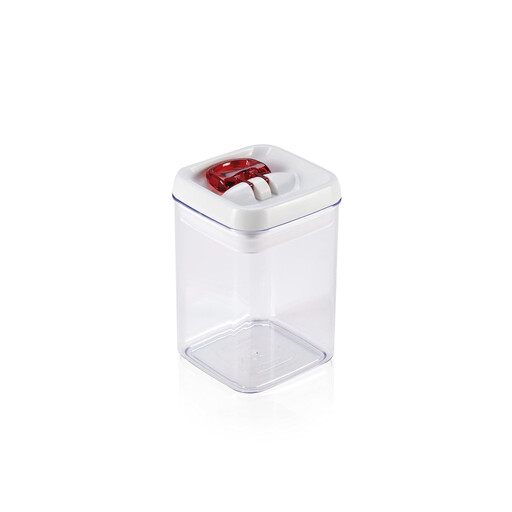
Why It Stands Out The standout feature of this model is its patented one-handed locking mechanism. It allows for quick and easy opening and closing, which is especially handy when you only have one hand free while cooking or baking.
Advantages
Who Is It For? This pantry container is an excellent choice for storing dry goods like flour, sugar, cereal, or pasta. Its ease of use makes it a valuable tool for anyone who values an organised kitchen and quick access to ingredients.
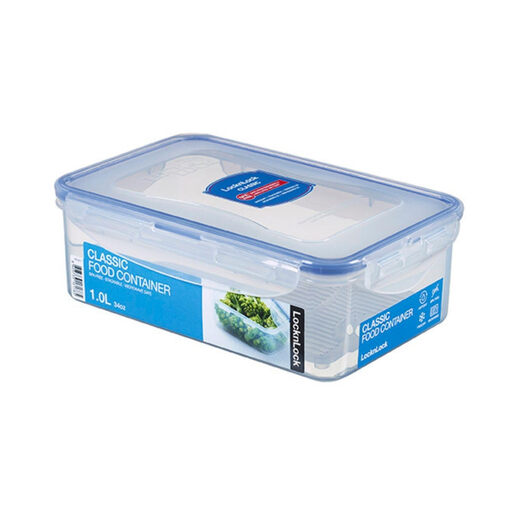
Why It Stands Out The Lock & Lock container is distinguished by its patented four-sided locking system. Combined with the dual-chamber silicone seal, it offers a superior level of tightness that, according to the manufacturer, also allows for the safe transport of liquids.
Advantages
Who Is It For? As a classic meal prep container, this model is ideal for professionals, students, and families. Anyone who prepares meals on the go and needs an absolutely leak-proof solution will find this to be a fitting product.
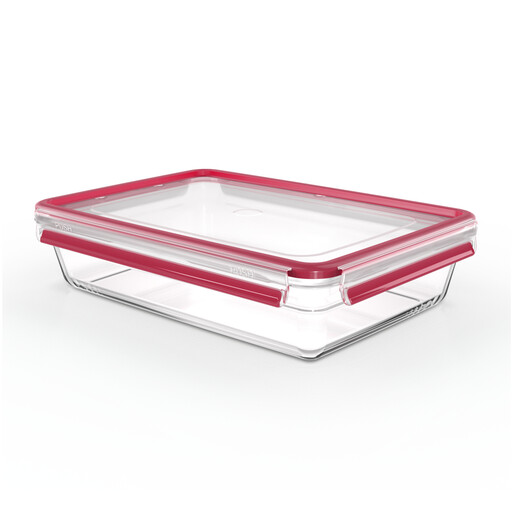
Why It Stands Out This glass food storage container is a true kitchen all-rounder. It is made from robust diamond glass, which the manufacturer states is oven-safe up to 420°C. This makes it suitable not only for storing but also for preparing, cooking, and serving meals.
Advantages
Who Is It For? This model is designed for households looking for a multifunctional solution. If you want to prepare, refrigerate, freeze, and later reheat meals in the oven or microwave all in the same dish, this container will reduce both your washing up and your kitchen workload.
Haven't found the right storage container for your needs yet? There is a wide variety of models with different sizes, materials, and features.
? Discover more models in our Airtight and Watertight Containers category.
1. What does "BPA-free" mean and why is it important? BPA stands for Bisphenol A, a chemical compound used in the manufacturing of certain plastics (e.g., polycarbonate). For food containers, the BPA-free label is a mark of quality, indicating that the plastic was produced without this potentially harmful plasticiser.
2. Can any food storage container be put in the microwave? No. Whether a food storage container is microwave-safe depends on the material. Glass containers are generally suitable for the microwave without their lids. For plastic containers, you must check for the corresponding symbols or manufacturer's instructions. Unsuitable plastics can warp or release harmful substances when heated. The lid should always be removed or at least vented to allow steam to escape.
3. What is the best way to clean food storage containers to prevent odours? Rinse the containers with cold water immediately after use to minimise food residue from sticking. Most containers are dishwasher-safe. For stubborn odours or stains, especially in plastic containers, a paste made of baking soda and water can help. Let it sit for a few hours and then rinse the container thoroughly. Glass containers are generally more resistant to odours and stains.