
Lieferung heute & morgen

Qualitätsgarantie

Willkommens-Angebote freischalten: KOSTENLOSE Lieferung | Bis zu 80 % RABATT | Kostenlose 30-Tage-JoyPlus-Testphase
App herunterladen
Reducing food waste, keeping your fridge neatly organised, and safely transporting prepared meals—the right food storage containers are essential for all of this. However, the sheer variety of materials, sizes, and locking systems can be overwhelming. As your Joybuy Product Recommendation Officer, I'm here to help you understand the features that truly matter and make an informed decision that fits your lifestyle. This guide provides objective criteria and a curated selection to help you find the perfect containers for your kitchen.
To make the right choice, three aspects are particularly important: the material, the leak-proof quality of the seal, and practical features for everyday use.
Each material offers specific advantages and disadvantages that make it ideal for different purposes.
A good seal is the core feature of any food storage container. An airtight lid protects food from drying out, locks in flavours, and prevents liquids from leaking. Look for lids with an integrated silicone gasket and a reliable locking or snap-on mechanism. This is especially important if you plan to transport soups, sauces, or dressings.
Consider how you will primarily use the containers. For efficient kitchen organisation, stackable models are essential. If you want to save time, the containers should be dishwasher-safe. For long-term storage or batch cooking, it's important that the containers are freezer-safe. Anyone who wants to reheat food directly in the container will need a microwave-safe option (usually without the lid).
Based on the criteria mentioned, we have put together a selection of products that stand out for their specific features and materials.

Why It Stands Out: This container was specifically designed to extend the shelf life of fruits and vegetables. According to the manufacturer, the "Breath Care Fresh Solution" in the material absorbs the ripening gas ethylene, which can keep food fresh for up to 31 days longer.
Advantages:
Who It's For: Ideal for health-conscious individuals and families who want to store delicate produce like berries, lettuce, or herbs and actively reduce food waste.
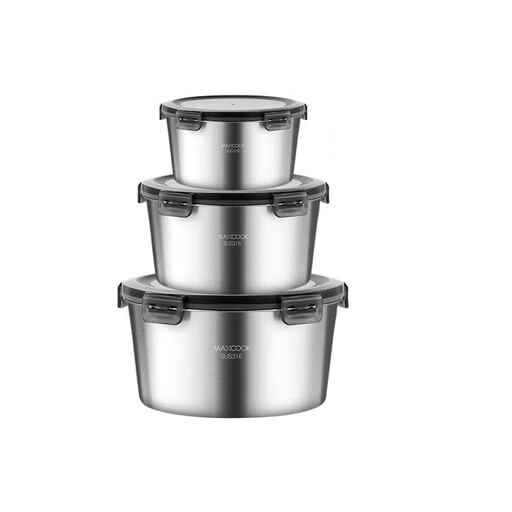
Why It Stands Out: This storage container set is made of high-quality 316 stainless steel, known for its superior corrosion resistance and durability. With two 600 ml containers and one large 2200 ml container, the set offers flexibility for various uses.
Advantages:
Who It's For: Perfect for users looking for a durable, hygienic, and plastic-free solution for storing cold foods, organising the pantry, or transporting lunches.
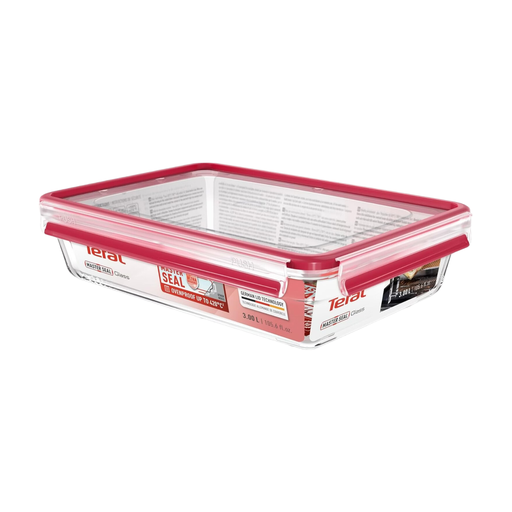
Why It Stands Out: Its extreme temperature resistance from -40°C to +420°C makes this glass container a true multi-tasker. You can use it to prepare dishes in the oven, freeze them, reheat them in the microwave, and serve directly from it.
Advantages:
Who It's For: For households that want a single, high-quality solution for the entire process—from oven preparation to storage and serving—and who value maximum hygiene and versatility.
Our selection offers a great starting point, but the requirements for the perfect storage solution are individual. For example, if you need specific sizes or shapes for your meal prep containers or want to compare other oven-safe options, there is much more to discover.
Browse our entire selection of [Freezer-to-Oven Containers with Lids] and find the perfect solution for your needs.
The choice depends on your intended use. Glass is ideal for home use as it is hygienic and oven-safe. Stainless steel is the best choice for transport as it is lightweight and unbreakable. BPA-free plastic is an economical and practical option for general organisation and meal prep, especially when stackability and low weight are priorities.
Look for a lid with a continuous, firmly integrated silicone gasket. A reliable locking mechanism, such as four-sided locking clips, ensures even pressure and guarantees that the container remains sealed, even when transporting liquids.
It is generally recommended to let very hot food cool down briefly before sealing the container. This prevents condensation and a vacuum effect that could warp the lid. With glass containers, severe thermal shock (e.g., placing a hot container on a cold, wet surface) should also be avoided to prevent material stress.