
Lieferung heute & morgen

Qualitätsgarantie

Willkommens-Angebote freischalten: KOSTENLOSE Lieferung | Bis zu 80 % RABATT | Kostenlose 30-Tage-JoyPlus-Testphase
App herunterladen
Food storage containers are designed to keep food safe in the fridge, freezer or when you’re out and about. In practice, however, some models disappoint after only a short time: the lid does not close securely, liquids leak out or the container does not fit into the available compartments. So, whether you’re buying storage containers for meal prep, family portions or everyday packed lunches, you should consider more than just capacity and price.
Airtight storage can help reduce the exchange of air and odours. For soups, sauces and dressings, it is also crucial to know whether the closure is actually designed to prevent liquids from escaping. So check whether the manufacturer specifically mentions terms such as leak-proof, waterproof or leak-resistant, and find out which closure mechanism is used.
A simple push-fit lid may be sufficient for dry food. For liquid dishes, all-round silicone seals and several locking points are usually more practical.
Many food containers are microwave-safe, but only without the lid. Plastic lids can warp or become problematic due to the pressure created inside the container. With glass food storage containers, there is an additional consideration: according to the product information, the glass dish may be suitable for use in the oven, but the lid is not.
Temperature changes also matter. A frozen glass container should not be placed directly into an oven that is already very hot. This so-called thermal shock can damage the glass. Check the manufacturer’s information on temperature limits and usage conditions before buying and before heating food.
A 2-litre container may seem versatile, but it also takes up a corresponding amount of space in the fridge. Smaller food storage containers are often easier to handle for individual portions, snacks or side dishes. Rectangular containers also frequently fit fridge compartments better than round ones.
As well as capacity, pay attention to length, width and height. The shape of the lid also affects whether several food storage containers can be stacked securely.
Borosilicate glass is transparent and, according to the relevant product information, may be suitable for use in the oven and microwave. It generally absorbs fewer odours and is less prone to staining than some types of plastic. However, glass is heavier and can be damaged by impacts.
Polypropylene, or PP for short, is often used for BPA-free storage containers. It is lightweight and suitable for the fridge and freezer, as well as the microwave depending on the model. The exact temperature limit and instructions for using the lid must match the product specifications.
Stainless steel is robust and worth considering for storage in the fridge or freezer. Metal containers are not generally designed for use in the microwave. With a model advertised in the product description as suitable for microwave and oven use, the lid must be removed before heating.
The following features are important for leak-proof food storage containers:
An airtight closure will not prevent every leak if the container is overfilled or the lid has not been closed fully. Leave some room when storing liquid food and check the closure before transporting the container.
Freezer-safe food storage containers should have a specific temperature rating. For the products mentioned below, for example, freezer suitability down to around −20 °C or suitability for long-term deep-freeze storage is stated, depending on the model.
Dishwasher-safe food storage containers also need appropriate care. Plastic lids often belong in the upper dishwasher rack. Silicone seals should be removed regularly, washed and dried thoroughly. This helps prevent odours and moisture from remaining in the folds.
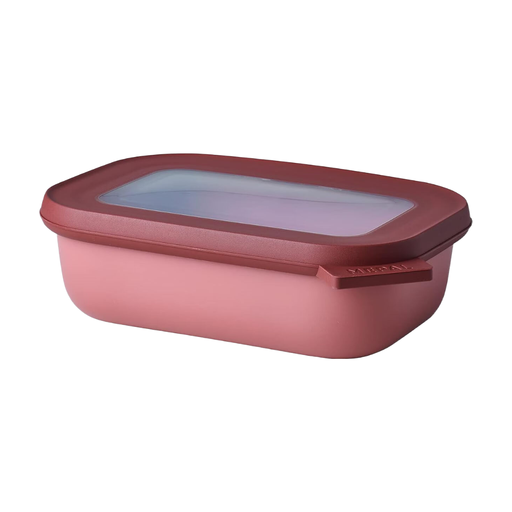
Why this product suits this profile: The compact format is ideal for smaller portions, side dishes, snacks and simple meal-prep applications. According to the product information, the container is suitable for the fridge, freezer, microwave without the lid and dishwasher.
The rectangular shape makes efficient use of fridge space. The product information states that it has an airtight, odour-proof lid and a maximum temperature of 110 °C.
500 ml capacity, stackable, BPA-free according to the product description, with a transparent lid section for checking the contents.
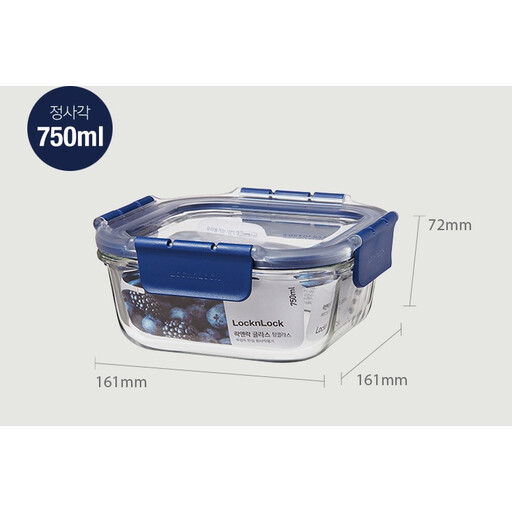
Why this product suits this profile: This square glass container combines transparent storage with the option of heating food without the lid in the oven, microwave or air fryer, according to the product information.
The information clearly distinguishes between the glass container and the lid: the lid must be removed when heating. It also warns against sudden changes in temperature.
Borosilicate glass, 750 ml, four-sided closure, silicone seal, freezer suitability down to −20 °C according to the product information, and a stackable design.
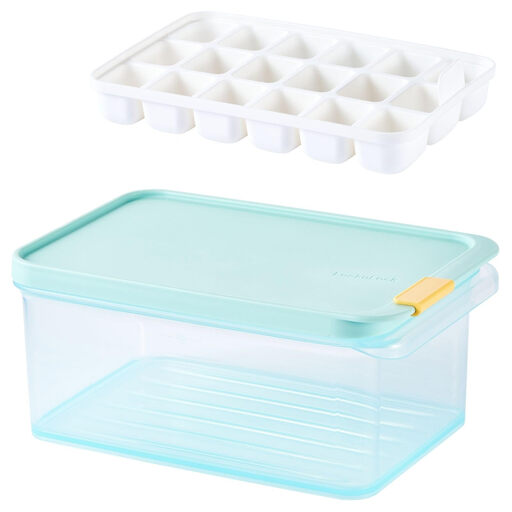
Why this product suits this profile: The larger capacity is ideal for families, weekly meal planning and more extensive meal prep. The rectangular shape is designed for use in the fridge, freezer and food cupboard.
The product information states that it has an airtight, leak-proof closure and provides instructions for use in the microwave and freezer. It is not designed for use in the oven.
1.65-litre capacity, BPA-free PP according to the product description, freezer and microwave suitability, dishwasher-safe design and stackable shape.
We have put together a complete, regularly updated list of products that fully meet these strict selection criteria and the safety regulations applicable in the EU.
That depends on the material and the manufacturer’s instructions. With plastic and glass containers, the lid generally needs to be removed or opened fully. Metal containers must not be placed in the microwave. Also check the stated maximum temperature.
Do not fill the container to the brim, place the lid on straight and close all the fasteners fully. For soups and sauces, airtight food storage boxes with an all-round silicone seal are a sensible choice. Before transporting the container, briefly move it while upright and check that the lid is fitted correctly.
There is no one-size-fits-all answer for their service life. The material, frequency of use, dishwasher temperature and condition of the lid and seal all make a difference. Replace containers if they develop cracks, deep scratches or warping, or if the closure no longer shuts securely.