
Lieferung heute & morgen

Qualitätsgarantie

Willkommens-Angebote freischalten: KOSTENLOSE Lieferung | Bis zu 80 % RABATT | Kostenlose 30-Tage-JoyPlus-Testphase
App herunterladen
Food storage containers need to fulfil several purposes in everyday life: storing leftovers in the fridge, organising supplies in the kitchen cupboard, transporting meals or reheating food in the microwave. The choice ranges from small food containers to large food storage boxes. However, product descriptions often list many features that are not suitable for every use.
A lid with a seal can reduce odours and limit air exchange. For liquids, however, it is crucial whether the closure is genuinely designed to be watertight. A simple push-fit lid may give way when carrying soups or sauces after the container has been tilted. If you are looking for a leak-proof lunch box or transport container, look for a silicone seal, all-round closure and secure locking mechanism.
Many plastic containers are microwave-safe, but only without the lid and within a specified maximum temperature. They are generally not suitable for use in the oven. Glass food containers also require clear information about the maximum temperature. Moving glass directly from the freezer into a hot oven can cause thermal shock and cracking.
A large capacity may sound practical, but a tall container can be awkward to store in the fridge. Before buying, compare the length, width and height with the available shelf, drawer or kitchen cupboard. Stackable storage boxes and nestable shapes generally make better use of available space than individual containers in different shapes.
Glass is transparent, absorbs fewer odours when cleaned properly and, where the product documentation confirms it, is often suitable for use in the oven and microwave. Several models specify borosilicate glass for higher temperature ranges. Even so, always remove the lid before heating and avoid direct heat sources such as hobs or naked flames.
BPA-free food storage containers made from polypropylene or similar plastics are lightweight and practical for taking food on the go. Depending on the model, they may be approved for use in the fridge, freezer, microwave and dishwasher. “BPA-free” describes a material characteristic; it should not be taken as a broader health claim. The manufacturer’s information on food-contact use is what matters.
A well-closing hinged lid is sufficient for dry goods such as flour, rice or muesli. For liquid foods, airtight food storage containers with a silicone seal and several locking points are more suitable. Also check whether the seal can be removed. This makes it easier to remove residue after use and allows all parts to dry thoroughly.
As well as capacity, pay attention to the shape. Rectangular containers can often be arranged in the fridge to save space. Round bowls are suitable for soups and salads, but require more space between them. A transparent body makes it easier to check the contents without opening the lid.
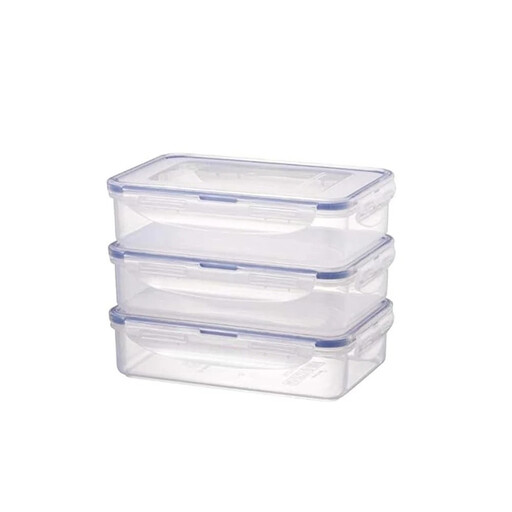
Why this product suits this profile: Three containers of the same size cover typical portions of leftovers, snacks and prepared ingredients. The transparent bodies make it easier to see what is stored in the fridge and cupboard.
The set uses uniform dimensions and stackable shapes, so there are fewer mismatched individual containers cluttering the cupboard. Check the specific manufacturer’s instructions before using them in the microwave.
Three containers, each holding 800 ml, with a transparent finish and stackable design.
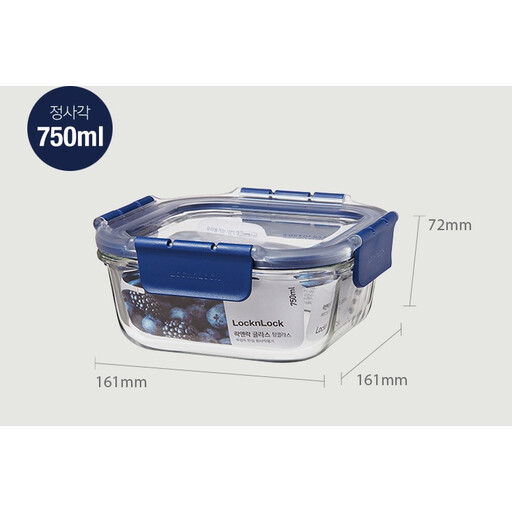
Why this product suits this profile: This glass container is designed for use in the fridge, freezer, microwave and oven. With a capacity of 750 ml, it is suitable for individual meals and liquid dishes.
The usage instructions clearly distinguish between the glass container and the plastic lid: the lid must be removed before heating. A four-sided closure with a silicone seal helps address the risk of leaks.
Borosilicate glass, stated oven suitability up to 400 °C without the lid, freezer use down to -20 °C and a stackable shape.
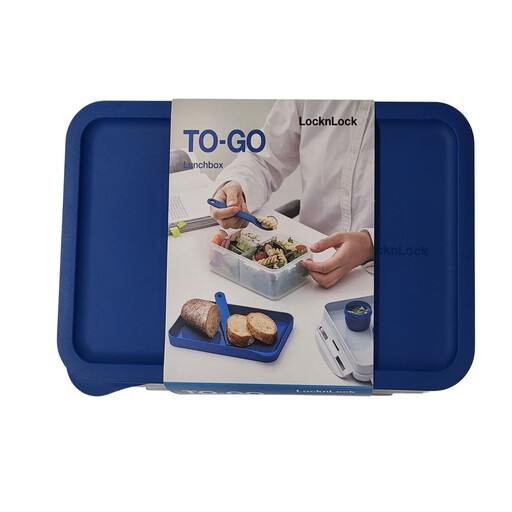
Why this product suits this profile: Three removable compartments keep the main dish, side dishes and sauce separate. This makes the box suitable for professionals, schoolchildren, students and regular meal prep.
The compartments prevent moist and dry foods from mixing directly. The four-sided closure and silicone seal are designed for transport.
1.0-litre total capacity, three removable compartments, cutlery and sauce container; suitable for the microwave without the lid, as well as the freezer and dishwasher.
We have put together a complete, regularly updated list of products that fully meet these strict selection criteria and the safety regulations applicable in the EU.
Before first use, clean the containers and lids with warm water and mild washing-up liquid. These steps can help with everyday use:
Only models with the relevant manufacturer’s approval are suitable. In many cases, the container itself can go in the microwave, but the lid cannot. Temperature limits such as 110 °C or 120 °C must be observed. Steam should also be able to escape before heating.
That depends on how you intend to use them. Where oven and microwave suitability is confirmed, glass is suitable for cooking and reheating. Plastic is generally lighter and therefore practical for taking food on the go. The closure, dimensions, temperature approval and cleaning options are what matter – not the material alone.
There is no fixed service life that applies in every case. It depends on use, temperature changes, cleaning products and mechanical stress. Containers should be checked regularly for cracks, deformation and brittle seals, and should no longer be used if visibly damaged.