
Lieferung heute & morgen

Qualitätsgarantie

Willkommens-Angebote freischalten: KOSTENLOSE Lieferung | Bis zu 80 % RABATT | Kostenlose 30-Tage-JoyPlus-Testphase
App herunterladen
Whether for prepped lunches at the office, leftovers from dinner, or neatly storing food in the fridge, the right food storage containers are essential tools in any kitchen. But the selection is vast, and the differences in material, function, and quality are significant. This guide is designed to help you make an informed decision and find the perfect containers for your needs—ones that keep food fresh longer and make daily life easier.
Before you decide on a model, there are a few key criteria to consider. These will help you better assess the functionality and durability of the products.
The material directly impacts the container's use, weight, and durability.
A reliable seal is crucial, especially if you plan to transport liquids like soups or sauces. Models with a silicone gasket in the lid and four-sided locking clips are considered particularly leak-proof. An airtight seal also protects food from air and moisture, which extends freshness and preserves flavours.
Consider what you will primarily use the containers for. For meal preparation, meal prep boxes, which are often pre-portioned, are an excellent choice. A food storage container set with various sizes offers flexibility for different quantities and ensures uniform, stackable organisation in your cupboard. Features like being freezer-safe and dishwasher-safe significantly add to everyday convenience, making them practical pantry containers for both dry and fresh foods.
Based on the criteria mentioned, we have curated a selection of products that stand out for their material quality, functionality, and thoughtful design.
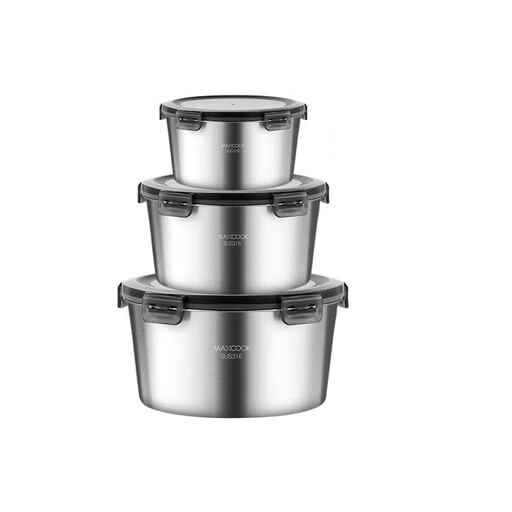
Why it stands out: This set from Maxcook uses high-quality 316 stainless steel, known for its superior corrosion resistance and hygiene. Unlike the more commonly used 304 stainless steel, this alloy offers even greater durability. The set includes three containers in two practical sizes (2 x 600 ml, 1 x 2200 ml), making it suitable for a wide range of uses.
Pros:
Who is it for? Ideal for users seeking a plastic-free, highly robust, and long-lasting solution for storing and transporting cold or lukewarm food. Perfect for meal-prepping salads or for use as a lunch box.
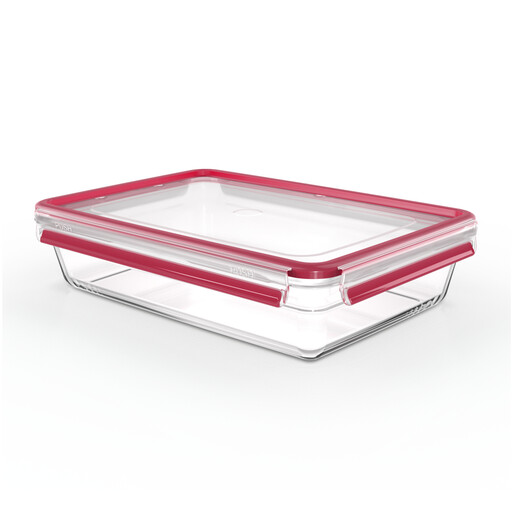
Why it stands out: The Emsa Clip & Close glass container is a true all-rounder. Made from oven-safe borosilicate glass, it can withstand temperatures up to 420°C (without the lid), according to the manufacturer. The patented seal ensures reliable leak-proofing. Its improved design with a reinforced rim allows for non-slip stacking of same-sized containers.
Pros:
Who is it for? Perfect for households looking for an 'oven-to-table' solution. It's ideal for baking casseroles, serving them, and then storing leftovers in the fridge or freezer.
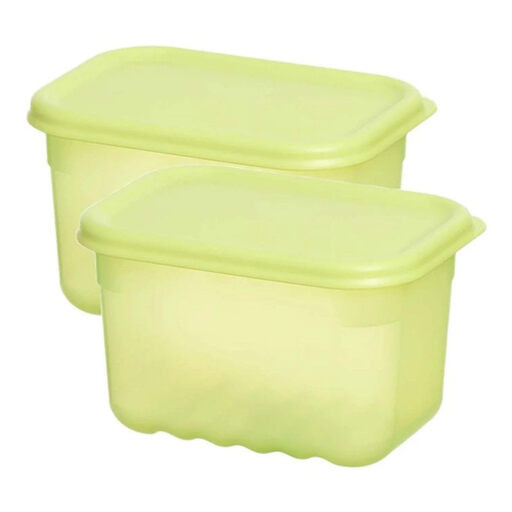
Why it stands out: These BPA-free plastic containers from LocknLock are specially designed to extend the freshness of fruits and vegetables. According to the manufacturer, the 'Breath Care Fresh Solution' absorbs ethylene gas, keeping food fresh for up to 31 days longer. The double seal blocks odours and protects the contents.
Pros:
Who is it for? An excellent choice for health-conscious individuals who want to specifically maximise the shelf life of fresh foods like salads, berries, herbs, or vegetables in the refrigerator.
Our selection covers a wide range of applications, but every household has different needs. If you're looking for specific sizes, additional sets, or other material combinations, you're sure to find the right fit in our broader collection.
Discover our full range of Freezer and Microwave-Safe Containers.
Both materials have their advantages. Glass food storage containers are ideal if you're looking for a transparent, microwave- and oven-safe solution for home use. Stainless steel containers are unbreakable, lighter, and therefore better suited for transport to work, school, or a picnic. The choice largely depends on your intended use.
BPA (Bisphenol A) is an industrial chemical used in the manufacturing of certain plastics. There are concerns that BPA can leach from containers into food. The BPA-free label guarantees that the plastic was produced without this chemical. This is an important quality mark for many consumers, especially for products that come into contact with food.
The most effective method is to clean the containers immediately after use. For stubborn odours that can sometimes linger in plastic containers, try rubbing them with a paste of baking soda and water and letting it sit for a few hours. Alternatively, soaking them in a vinegar-water solution (1:4 ratio) can neutralise smells. Glass and stainless steel containers are naturally less prone to absorbing odours.