
Lieferung heute & morgen

Qualitätsgarantie

Willkommens-Angebote freischalten: KOSTENLOSE Lieferung | Bis zu 80 % RABATT | Kostenlose 30-Tage-JoyPlus-Testphase
App herunterladen
Whether for pre-prepared office lunches, fresh salads on the go, or neatly storing leftovers in the fridge – the right food storage container is an essential tool in daily life. But the market offers an overwhelming variety of shapes, materials, and locking systems. A leaky container can quickly ruin the contents of your work bag, while the wrong material can pose health risks or get damaged in the microwave.
This article serves as a practical guide. It's designed to help you understand the functional differences and make an informed decision tailored to your specific needs – from a leak-proof lunch box to specialised meal prep boxes.
The choice of the right container depends on its intended use. Three key criteria will help you make the right choice.
The material is crucial for safety and durability. Plastic food containers are lightweight and shatterproof, but not all plastics are created equal. Always look for the “BPA-free” label. BPA (Bisphenol A) is a chemical compound that can leach from plastic into food under certain conditions, such as heat. High-quality polypropylene (PP) is a common and food-grade choice, often used for food storage boxes that are BPA-free. This material is robust and suitable for a wide range of temperatures.
A weak seal is the most common annoyance. For transporting liquids or moist foods like soups, stews, or salads with dressing, a completely sealed, leak-proof lunch box is essential. Simple click-on lids often don't provide enough protection. Systems with a silicone seal in the lid and a multi-sided locking mechanism, like those found in LocknLock containers, offer superior reliability here. The seal ensures that no air gets in and no liquid gets out, which keeps food fresher for longer and preserves aromas.
Think carefully about what you need the container for:
Based on functionality and specific use cases, we've selected a few models that cover a range of everyday needs.
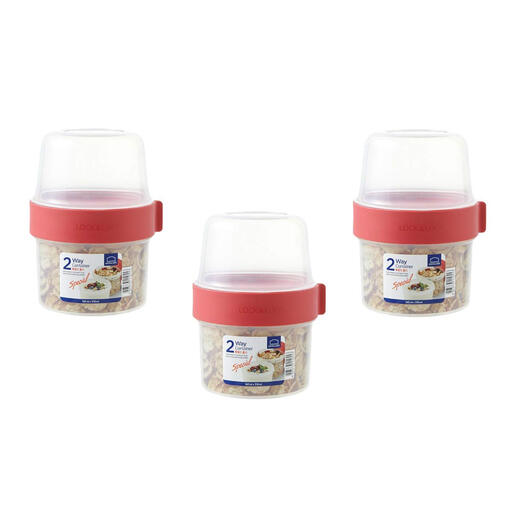
What makes it stand out: This practical snack box set consists of three cups, each featuring a 2-in-1 design. A lower container (360 ml) and an upper container (310 ml) are separated by a divider in the screw-on lid. This allows you to transport cereal and yoghurt, veggie sticks and dip, or other combinations while keeping them neatly separated.
Benefits:
Who it's for: Professionals, students, and parents looking for a smart solution for a fresh breakfast or a healthy snack on the go, who want to keep dry and wet ingredients separate.
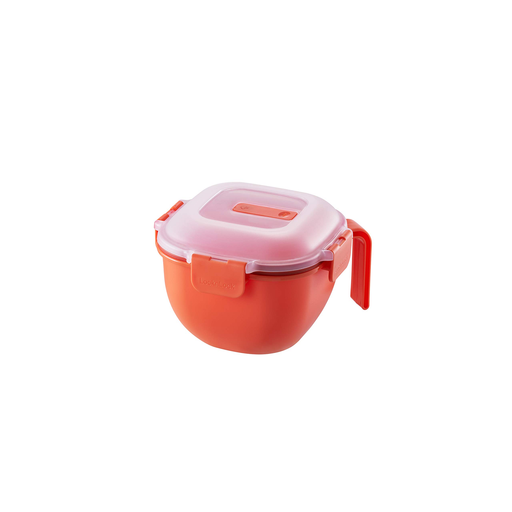
What makes it stand out: This container was specifically designed for microwave use. Its standout feature is the integrated steam vent in the lid. It allows steam to escape in a controlled manner during heating, preventing splatters in the microwave and ensuring your food heats evenly.
Benefits:
Who it's for: People who regularly heat up their lunch in the microwave at the office or at home and are looking for a clean, straightforward, and safe solution without the hassle of removing the lid.
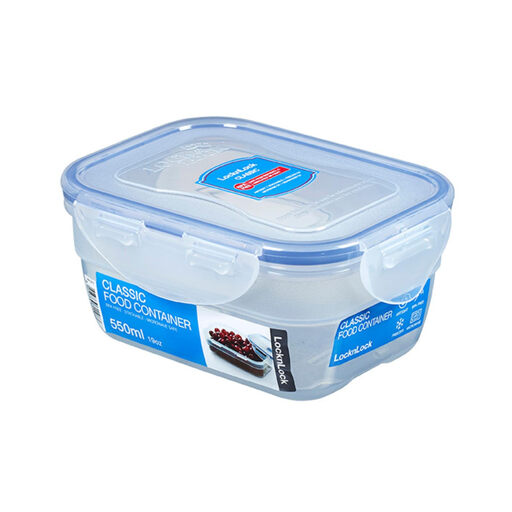
What makes it stand out: This container is a classic and stands for absolute reliability. Its patented four-sided locking system, combined with the silicone double-chamber seal, makes it 100% air and watertight. Even liquids like soups or sauces can be transported securely.
Benefits:
Who it's for: Anyone who needs a universally applicable and completely sealed food container for meal prep, transporting lunch, or odour-proof storage in the fridge.
The models presented cover many, but not all, needs. Sometimes you might need an extra-large or a very shallow container to make the most of the space in your fridge or drawer.
For specific requirements, you can find a wider selection of shapes and sizes in our shallow storage containers with lids category.
Yes, as long as they are intended for food contact and labelled accordingly. The most important feature is the “BPA-free” designation. High-quality plastic food containers made from materials like polypropylene (PP) are considered safe for storing both cold and hot foods. However, it is always advisable to check the manufacturer's instructions regarding maximum temperature resistance.
The term 'leak-proof' is not standardised. A truly sealed, leak-proof lunch box is distinguished by the interplay between its lid design and seal. A simple snap-on lid without a seal is generally not suitable for liquids. Reliable systems feature a continuous silicone seal and a robust locking mechanism that presses the lid firmly onto the container at multiple points, preventing any liquid from escaping.
No. Only containers explicitly marked as 'microwave-safe' by the manufacturer should be used for heating. Pay attention to the instructions: often the lid must be removed or at least opened to allow steam to escape. Special microwave-safe containers with a lid often have an integrated vent for this purpose, which makes handling easier and safer. Foods high in fat or sugar can reach very high temperatures and may warp or stain the material.