
Lieferung heute & morgen

Qualitätsgarantie

Willkommens-Angebote freischalten: KOSTENLOSE Lieferung | Bis zu 80 % RABATT | Kostenlose 30-Tage-JoyPlus-Testphase
App herunterladen
A well-organised kitchen and the right food storage can make daily life significantly easier. Whether you're keeping leftovers fresh, preparing lunches for work, or storing dry goods, having the right containers is crucial. However, the market offers a vast array of options that differ in material, size, and function.
This article serves as your guide. It presents objective criteria to help you find the right food storage containers for your specific needs—from a single lunch box to a complete food storage container set for the whole family.
To make an informed decision, you should consider three main aspects: the material, the sealing mechanism, and practical features for everyday use.
The choice of material affects the container's weight, durability, and potential uses.
A reliable seal is the key feature of a good food storage container. It ensures that food stays fresh longer and that liquids do not leak during transport.
Additional features determine how conveniently the containers fit into your daily routine.
Based on the criteria mentioned, here is a selection of containers suitable for various purposes.
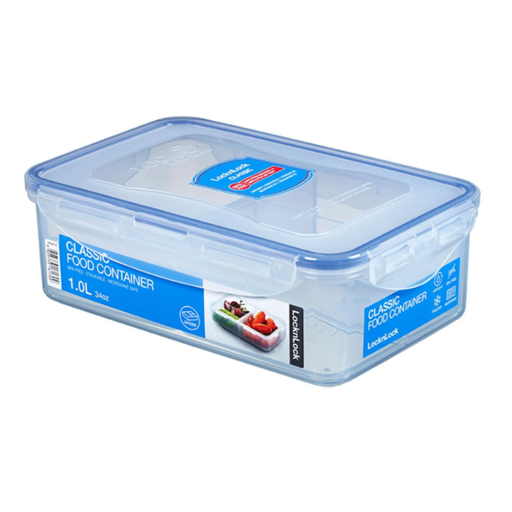
What makes it stand out: This PP plastic container is equipped with an integrated divider. This allows you to store two different components of a meal separately without them mixing. The four-sided locking clip system with a silicone seal ensures a secure closure.
Advantages:
Who is it for?: This container is a great choice for professionals and students who use their lunch box for meal prep. The divider is practical for transporting a salad separately from its dressing or a main course separately from a side dish.
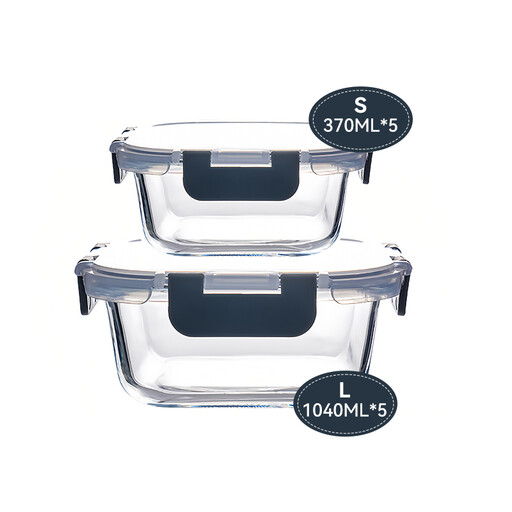
What makes them stand out: This comprehensive food storage container set consists of ten high-borosilicate glass containers in two different sizes. The material is resistant to high and low temperatures, allowing for versatile use from the freezer to the oven (without the lid). The snap-lock lids provide a reliable seal.
Advantages:
Who is it for?: This set is suitable for families and anyone who regularly cooks in larger batches. The combination of large and small containers covers various needs, from storing full meals to snacks or sauces.
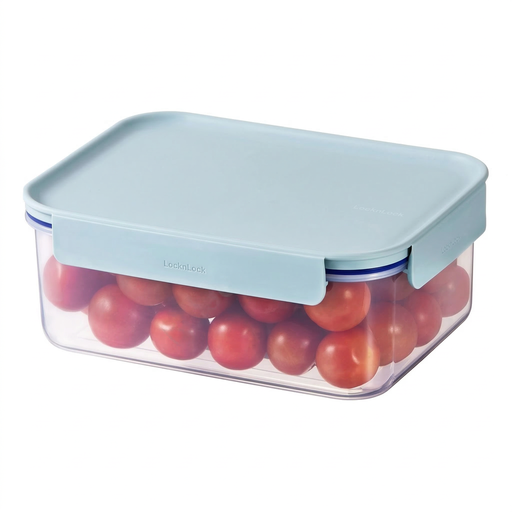
What makes it stand out: With a volume of 1.65 litres, this container is designed as a pantry container for dry foods. Its design is explicitly stackable to optimise organisation in the pantry or kitchen cupboard. The transparent body allows for a quick content check, and the twist-lock lid ensures airtight storage.
Advantages:
Who is it for?: Ideal for pantry organisation. This container is perfect for storing dry goods like flour, sugar, pasta, rice, or cereal in a space-saving and moisture-protected way.
A well-organised kitchen extends beyond having the right pantry containers. If you also want to efficiently design your drawers and cupboards to neatly store your new containers and other utensils, you can find suitable solutions in our Polypropylene Drawer Storage Box category.
There is no single "best" material; the choice depends on the intended use. Glass food storage containers are hygienic, heat-resistant, and do not stain, making them ideal for storage and reheating at home. Plastic containers are lightweight and shatterproof, making them a practical option for transport as a lunch box or for use in households with children.
BPA (Bisphenol A) is an industrial chemical that was used in the manufacturing of certain plastics. There is a possibility that small amounts of BPA can leach from the container into food. The BPA-free label indicates that the product was made without this specific chemical, which is a relevant feature for food safety.
To minimise odours and stains, containers should be rinsed with cold water immediately after use before being placed in the dishwasher. For plastic containers, it can help to store them without their lids on to allow any residual moisture to escape. For strongly staining or odorous foods like dishes with curry or tomato sauce, using glass containers is a good alternative, as glass does not absorb odours or colours.