
Lieferung heute & morgen

Qualitätsgarantie

Willkommens-Angebote freischalten: KOSTENLOSE Lieferung | Bis zu 80 % RABATT | Kostenlose 30-Tage-JoyPlus-Testphase
App herunterladen
A well-organised kitchen starts with the right storage solutions. High-quality food storage containers not only keep food fresh for longer but also support a conscious lifestyle—whether through meal prepping, reducing food waste, or securely transporting meals. However, the market is flooded with products that often fail to live up to their promises in practice. Before you make a purchase, it's crucial to understand the typical weak points that often only become apparent after a few weeks of use.
This guide will help you separate the good from the bad. We'll highlight the critical features to look for and show you how to find containers that are truly durable, safe, and practical.
Many containers look robust and functional at first glance. The disappointment often follows during everyday use. Watch out for these three common flaws to avoid a bad investment:
To avoid the problems mentioned above, you should base your choice on objective criteria. The following three aspects are crucial for the longevity and functionality of your storage containers with lids.
Each material offers specific advantages and disadvantages that make it suitable for different purposes.
A reliable seal is the heart of any good food storage container. A system that is considered airtight and leak-proof usually combines two elements:
Don't just rely on advertising claims; check the symbols on the product or packaging. These pictograms provide reliable information about its suitability for:
These features are particularly relevant if you use the containers as meal prep boxes or food storage boxes in your daily routine.
Instead of making a blanket recommendation, we have identified products that meet specific requirements and avoid the pitfalls mentioned earlier.
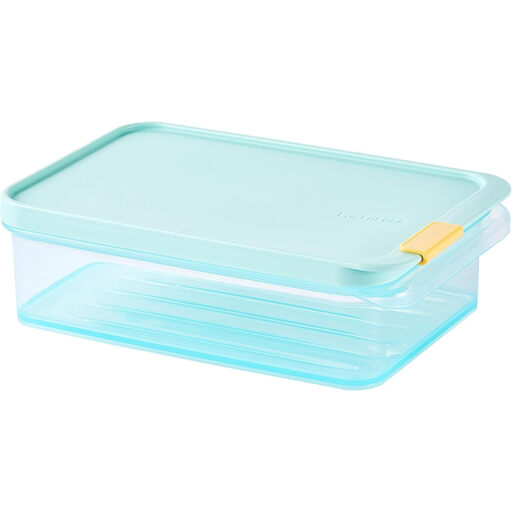
Why This Fits Their Persona: With a 1.05-litre capacity, this container is the ideal size for a full meal. The stackable design keeps your fridge and freezer organised, which is essential when preparing multiple meals in advance.
According to the manufacturer, the BPA-free polypropylene used is odour-resistant and resilient against staining. The screw-top lid provides a reliable, tight seal that won't loosen even after frequent use.
Versatile use: The container is freezer-safe, microwave-safe (without lid), and dishwasher-safe. A true all-rounder for the entire meal prep process.

Why This Fits Their Persona: This stainless steel food storage container set is ideal for users who want to minimise food contact with plastic. It's perfect for storage in the fridge and freezer, as well as for transporting salads or snacks.
Stainless steel is naturally resistant to odours, stains, and corrosion. The material does not warp and is extremely durable, making it a sustainable, long-term investment.
Made from 316 stainless steel, which offers higher quality and greater corrosion resistance than the commonly used 304 stainless steel. The set of three different sizes (600ml, 1100ml, 2200ml) provides flexibility for various needs.
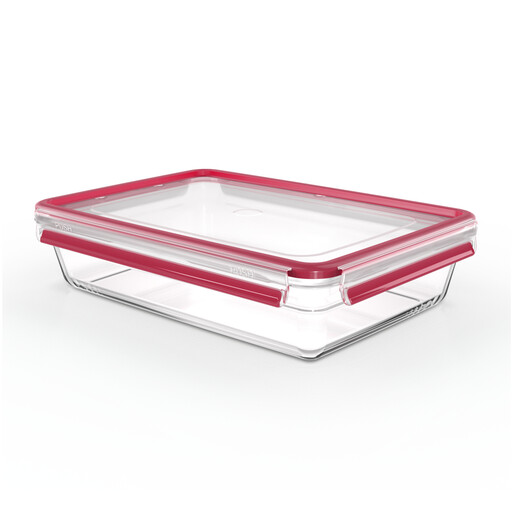
Why This Fits Their Persona: With a large 3-litre capacity, this glass food storage container is perfect for family-sized portions, casseroles, or large salads. It can go directly from the freezer to the oven (without the lid) and then to the table.
The robust borosilicate glass is heat-resistant up to 420°C, according to the manufacturer, and does not warp. The clip-lock with a special gasket ensures a reliable, leak-proof seal that holds up to frequent use.
Maximum versatility: Suitable for the oven, microwave, freezer, and dishwasher. According to the manufacturer Emsa, the product is certified for storing baby food, which underscores a high level of material safety.
We have compiled a complete, real-time list of products that fully satisfy these strict selection criteria and UK safety regulations.
1. Can all plastic food storage containers go in the microwave? No, not all plastic containers are suitable for the microwave. Always check for the microwave-safe pictogram on the product. It is generally recommended to remove or at least open the lid before heating to prevent pressure build-up and protect the material.
2. What is the best way to clean food storage containers to avoid stains? Rinse the containers with cold water immediately after use, especially if they contained heavily staining foods like tomato sauce. For stubborn stains, a paste of baking soda and water, left to sit for a few hours, can help. Cleaning in the dishwasher is also often very effective.
3. What does "BPA-free" mean and why is it important? BPA (Bisphenol A) is an industrial chemical used in the production of certain plastics. There are concerns that BPA can leach from containers into food. BPA-free containers are made without this chemical and are therefore considered a safer option for food storage, especially for baby food or when frequently reheating.