
Lieferung heute & morgen

Qualitätsgarantie

Willkommens-Angebote freischalten: KOSTENLOSE Lieferung | Bis zu 80 % RABATT | Kostenlose 30-Tage-JoyPlus-Testphase
App herunterladen
A well-organised kitchen starts with the right storage solutions. High-quality food storage containers not only extend the shelf life of your food but also simplify meal prep and keep your fridge and pantry tidy. However, the market is flooded with products that fail to live up to their promises in everyday use. Before you invest, it's crucial to understand the common pitfalls that lead to leaky containers, material fatigue, and ultimately, frustration.
This guide will show you what truly matters when making your choice and how to find containers that will serve their purpose reliably for years to come.
Marketing claims often sound convincing, but the devil is in the details. Pay close attention to these three points to avoid a bad investment.
To separate the best from the rest, focus on three core technical parameters. These will determine the durability, safety, and functionality of your kitchen storage containers.
The choice of material is fundamental and depends on its primary use.
An airtight container is only as good as its seal. Quality is determined by two components:
Practical features make all the difference in daily use.
Based on these objective criteria, we have identified several products that represent a smart solution for specific user profiles.
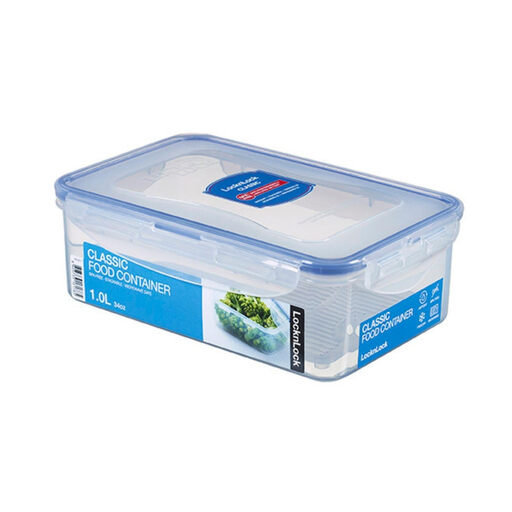
Why it's a great fit: Perfect for anyone starting with meal prep. The container is lightweight, making it easy to transport to work. The 1-litre size is ideal for a full meal. As a classic model from a trusted brand, it offers reliable performance without unnecessary frills.
The patented four-sided locking system with a dual-chamber silicone gasket provides a proven, high-performance, and durable seal, thus avoiding the "leak-proof" trap.
Made from BPA-free polypropylene; suitable for the freezer (down to -20°C) and microwave (up to 120°C, without lid).
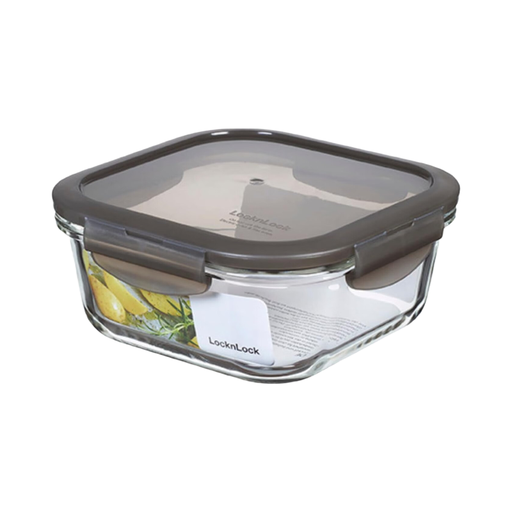
Why it's a great fit: For those who prioritise hygiene, durability, and maximum versatility. This container can be used for cooking, baking, storing, and serving. The borosilicate glass is non-reactive and perfect for delicate foods.
It bypasses the limited versatility trap: The borosilicate glass is oven-safe up to 400°C (without the lid), according to the manufacturer, and withstands thermal shock, making it a true all-rounder.
100% airtight and watertight seal; non-porous glass prevents odours and stains; dishwasher-safe and BPA-free.
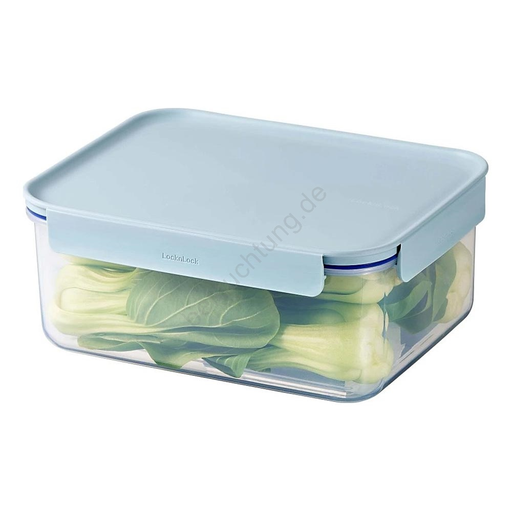
Why it's a great fit: Perfect for storing dry goods like pasta, rice, or cereal. The design is explicitly engineered for space-saving, secure stacking to ensure maximum order in pantries and drawers.
This model solves the problem of material fatigue common in cheap plastics. It is made from high-quality, BPA-free plastic designed for durable and safe food storage.
Thoughtful lid design for compact, stackable storage; airtight and watertight twist-lock seal protects flavours and keeps pests out.
We have compiled a complete, up-to-date list of products that meet these strict selection criteria and safety standards.
Both materials have their merits. Glass food storage containers (especially borosilicate glass) are more hygienic, don't absorb odours, and are often oven-safe. They are ideal for home storage and cooking. Plastic containers are lighter, more shatter-resistant, and usually more affordable, making them a great choice for transport, as a lunch box, or for freezer storage.
After each use, remove the silicone gasket from the lid and clean all three parts (container, lid, gasket) separately. This prevents moisture and bacteria from building up under the seal. For stubborn odours in plastic containers, a paste of baking soda and water left overnight can help.
BPA (Bisphenol A) is a chemical compound used in the manufacturing of certain plastics. It is suspected of being harmful to health as it can leach into food. The BPA-free label signifies that the plastic was made without this chemical, which is a crucial safety feature, especially for containers used for food, including baby food.