
Lieferung heute & morgen

Qualitätsgarantie

Willkommens-Angebote freischalten: KOSTENLOSE Lieferung | Bis zu 80 % RABATT | Kostenlose 30-Tage-JoyPlus-Testphase
App herunterladen
Buying food supplements online may seem straightforward at first: choose a product, compare quantities and place your order. However, the real challenge lies in the details. Many products are promoted with high dosages, extensive ingredient lists or terms such as ‘liposomal’, without clearly showing whether the formulation is suitable for your individual needs.
Three common pitfalls are particularly likely to result in the wrong purchase:
The label should clearly state the amount per daily serving and the percentage of the EU Nutrient Reference Value (NRV). The NRV serves as a guide for healthy adults and does not replace personalised advice.
With vitamins and minerals, it is worth looking at the combination. For example, a product containing several B vitamins may include folic acid, vitamin B6 and vitamin B12. If you already use a multivitamin product, you should consider your total intake from all sources.
The specific compound is also relevant for magnesium. Magnesium oxide and other magnesium compounds may differ in their elemental magnesium content. The information on the packaging should therefore be clear and unambiguous.
For a vegan diet, products containing algal oil instead of fish oil may be a suitable option. With vegan omega-3, consumers should check the source of the oil as well as the DHA and EPA content. ‘2,000 mg algal oil’ does not automatically mean 2,000 mg of DHA and EPA.
Products for skin, hair and nails may contain collagen, biotin, zinc and vitamin C. Collagen often comes from fish or other animal sources. If you prefer vegetarian or vegan products, you should check the ingredients list particularly carefully.
You should also look out for:
Products such as vitamin D3 K2, inositol and supplements for hormonal balance are often selected with a particular stage of life or individual need in mind. However, claims relating to the menstrual cycle, menopause or metabolism should not be understood as medical promises.
If you are pregnant, breastfeeding, living with a chronic condition, under medical supervision or taking medicines regularly, it is advisable to seek medical advice before use. This applies particularly to vitamin K2 if you are taking anticoagulants, as well as to high-dose vitamin D.
Glutathione capsules, vitamin B complexes and beauty products may also contain additional active ingredients. A clear ingredients list makes it easier to avoid duplication.
The following food supplements differ in terms of their format, dosage and intended use. The information is based on the respective product details.
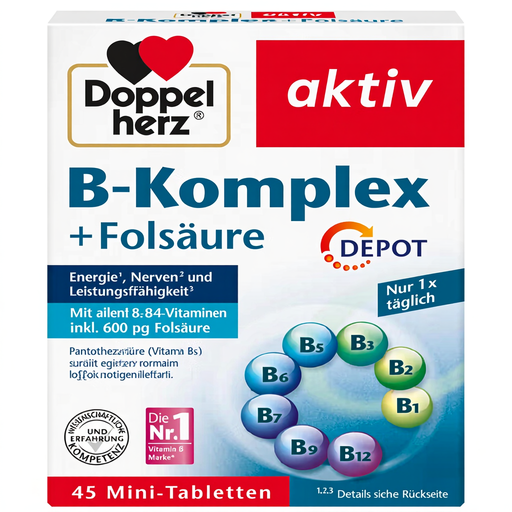
Why this product suits this profile: One tablet a day and 45 servings make it easy to get started with a vitamin B complex containing folic acid.
The nutrient table shows the amounts per serving and the relevant NRV percentages. This makes it possible to check the dosage before buying.
B1, B2, B3, B5, B6, B12, biotin and folic acid in one tablet; however, it contains lactose.
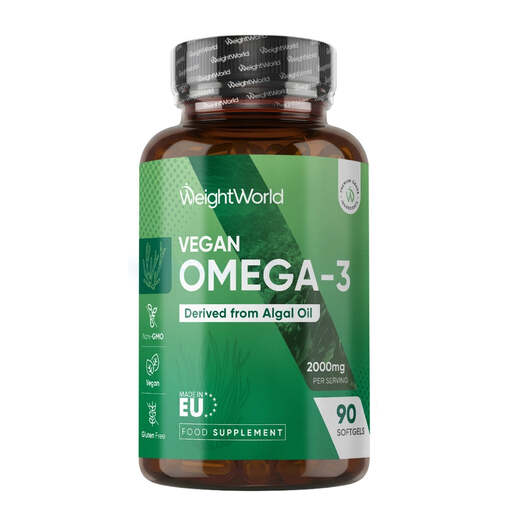
Why this product suits this profile: According to the product description, these softgel capsules are made with algal oil and are intended for adults who prefer a plant-based source of omega-3.
The source is specifically stated as marine microalgae. Before buying, you should also check the actual DHA and EPA amounts on the label.
90 softgels; according to the product description, free from fish, crustaceans, gluten and milk.
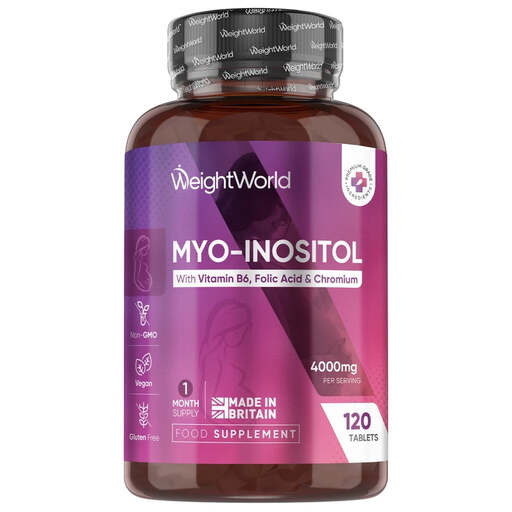
Why this product suits this profile: The combination of myo-inositol and D-chiro-inositol is appealing to shoppers specifically looking for inositol with a stated 40:1 ratio.
The ratio of the two forms of inositol and the daily serving of four tablets are stated in the product description. This makes it easier to estimate how long the pack will last.
120 tablets, a vegan formulation and labelling indicating that it is free from gluten, milk and soya, according to the product details.
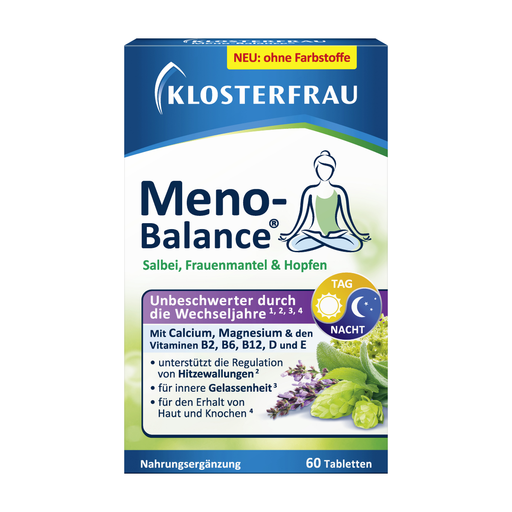
Why this product suits this profile: The formulation combines calcium, magnesium, vitamin D, B vitamins, lady’s mantle, sage and hop extracts.
The individual amounts are listed in the nutritional information. This allows shoppers to check whether they are already using other calcium, magnesium or vitamin D products.
60 tablets and a combination of micronutrients and plant extracts; personalised advice is advisable for your specific circumstances.
With vitamin D3 K2, you should consider the dosage, form of vitamin K and warnings relating to anticoagulants. The variants in the range differ, for example, in their vitamin D3 content: one product states 2,500 IU and another 4,000 IU per tablet.
For collagen and biotin, the source is important. According to the product details, the Doppelherz ampoules contain hydrolysed collagen, biotin, vitamin C, zinc and ceramides. They are supplied as daily ampoules. The ingredients list also identifies fruit ingredients and sugar.
If you are looking for glutathione capsules, check for additional ingredients such as vitamin C and alpha-lipoic acid. The term ‘liposomal’ should not be viewed in isolation as proof of quality either. The key considerations remain the complete labelling, dosage and the manufacturer’s instructions.
We have put together a complete, regularly updated list of products that fully meet these strict selection criteria and the safety regulations applicable in the EU.
The best-before date is normally shown on the packaging or outer box. Once opened, additional instructions may apply, such as a limited period of use over several months. Storing products in a dry, dark and not overly warm place helps to maintain their quality. The manufacturer’s instructions always take precedence.
Duplication can occur particularly with vitamin D, magnesium, calcium, zinc, iron and B vitamins. Vitamin K2 may be relevant for people taking anticoagulants. Before combining several supplements, compare the labels and seek medical advice if you are taking medicines.
A general need cannot be assumed for all women. Diet, blood test results, stage of life and medical recommendations all play a role. Menopause products may contain various vitamins, minerals and plant extracts. They should be chosen according to your personal circumstances, rather than solely on the basis of marketing claims.