
Lieferung heute & morgen

Qualitätsgarantie

Willkommens-Angebote freischalten: KOSTENLOSE Lieferung | Bis zu 80 % RABATT | Kostenlose 30-Tage-JoyPlus-Testphase
App herunterladen
Anyone looking to buy food supplements can quickly be faced with an overwhelming choice: vitamin D3, vitamin K2, vitamin C, zinc, selenium, multivitamin supplements and plant-based products such as moringa capsules and spirulina chlorella capsules can differ considerably in dosage, ingredients and use. Choosing the right product should therefore start not with the most striking marketing claim, but with a look at the actual product data.
A large number on the packaging may initially seem convincing. However, on its own, it says little about whether a supplement is suitable for your personal needs. Some vitamin D3 products, for example, contain 2,500 or 4,000 IU per daily serving. This is a comparatively high dosage and is not automatically suitable for every adult.
If you already take a multivitamin supplement, fortified foods or other individual supplements, you should check your total intake. Taking multiple products containing vitamin D, zinc or selenium may be unnecessary. If you have an existing medical condition, are pregnant or breastfeeding, or take medication, it is advisable to consult a medical or pharmaceutical professional.
Plant-based products can provide a vegan or vegetarian supplement option. Nevertheless, you should check the exact composition, daily amount and capsule shell. With moringa capsules or spirulina chlorella capsules, it is also important to establish whether powder or extract is used and how the stated quantity is defined.
Natural ingredients are not automatically suitable for everyone either. Allergens, interactions and individual intolerances remain important points to check.
A large pack is not necessarily cheaper. The key factors are number of servings, recommended daily dose and price per daily serving. A container with 180 capsules may last around two months if you take three capsules a day. With one tablet per day, a pack of 365 tablets will last correspondingly longer. This comparison prevents the pack size alone from becoming the main reason for buying.
The label should state the nutrients included as clearly as possible in mg or µg per daily serving. The percentage of the Nutrient Reference Value (NRV) under EU food information legislation can also help with assessment. The NRV is a labelling value for adults and does not replace an assessment of your personal requirements.
Particular attention should be paid to combinations containing vitamin C, zinc and selenium. A product containing 15 mg of zinc may already provide 150% of the NRV. If you also take zinc tablets or multivitamin supplements, your total intake will increase accordingly.
For vegan vitamins, plant-based capsule shells, such as those made from hydroxypropyl methylcellulose, are relevant. Vegetarian food supplements, on the other hand, may contain other animal-derived ingredients, such as gelatine or collagen. People with allergies should read the full ingredients list and allergen labelling.
Tablets, capsules, gummies and effervescent tablets differ in how they are taken:
The recommendation “one capsule a day” is only meaningful if the amount contained is known. The product description may also specify that the supplement should be taken with a meal, plenty of liquid or a meal containing fat. The instructions on the packaging take precedence.
Children should only use products that are explicitly labelled for their age group. An adult vitamin D3 supplement is not automatically suitable for children. With child-friendly products such as vitamin D3 gummies, parents should also check the storage instructions, sweeteners and whether the product should be taken under supervision.
The following selection categorises specific products according to practical usage situations. The stated ingredients, serving sizes and directions for use are the deciding factors.
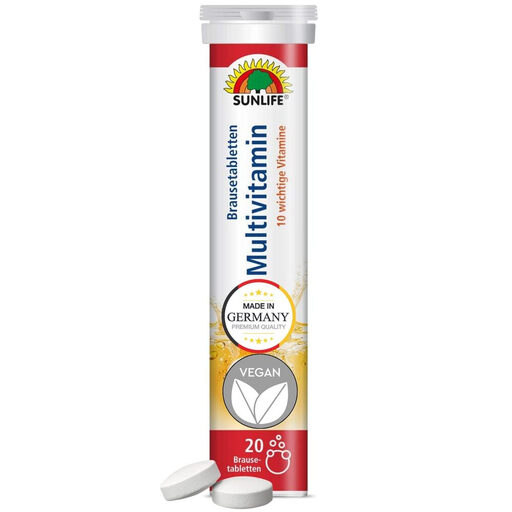
Why this product suits this profile: The effervescent tablet is easy to take every day and contains ten vitamins, each with stated reference values per tablet.
The nutrient amounts are stated per daily dose. This makes it easier to compare your intake with other supplements.
Ten vitamins, a 200-ml preparation and gluten-free and lactose-free labelling according to the product information.
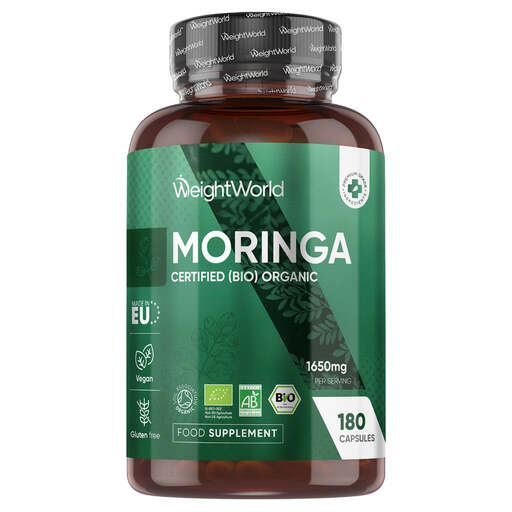
Why this product suits this profile: Suitable for adults who prefer a plant-based, vegan product made with certified organic moringa leaf powder.
The product description specifies the leaf powder, capsule shell and daily amount rather than simply making general references to being “natural”.
180 plant-based capsules, 1,650 mg of moringa per stated daily serving and gluten-free, dairy-free and soya-free labelling according to the supplier.
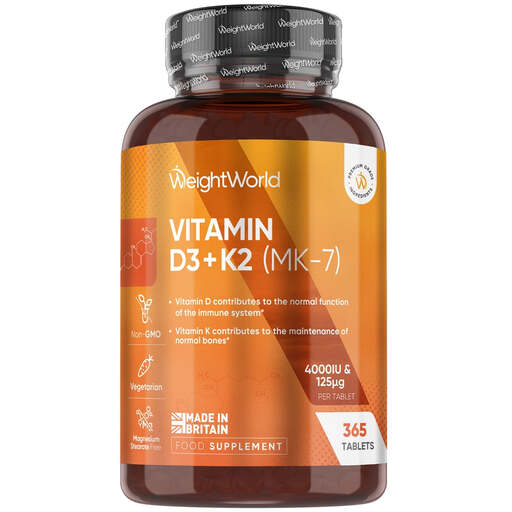
Why this product suits this profile: This combination is aimed at adults who prefer to take vitamin D3 and vitamin K2 in a single tablet and are looking for a large pack.
The dosage is clearly stated: 4,000 IU of vitamin D3 and 125 µg of vitamin K2 as MK-7 per microtablet. The high dose should be assessed before use.
365 tablets, vegetarian labelling and gluten-free, lactose-free and soya-free information according to the product description.
We have put together a complete, regularly updated list of products that fully meet these strict selection criteria and the safety regulations applicable in the EU.
The best-before date is shown on the packaging. Opened products should be stored in a dry, cool place in accordance with the manufacturer’s instructions. Moisture can affect the condition of effervescent tablets and tablets. Food supplements should also be kept out of the reach of young children.
This depends on your diet, stage of life and individual needs. A multivitamin supplement can combine several nutrients, while vitamin D3, zinc, selenium or vitamin C can be used in a more targeted way. Before buying, you should take existing supplements and any medical recommendations into account. Food supplements are not a substitute for a balanced and varied diet.
Parents should only use a product that is explicitly suitable for the child’s age and should follow the stated daily dose. One example is vitamin D3 gummies, which according to the product information may be intended for children aged three and over and should be taken under adult supervision. If you are unsure about the dosage or your child takes medication, advice from your paediatrician’s practice or a pharmacy is recommended.