
Lieferung heute & morgen

Qualitätsgarantie

Willkommens-Angebote freischalten: KOSTENLOSE Lieferung | Bis zu 80 % RABATT | Kostenlose 30-Tage-JoyPlus-Testphase
App herunterladen
Brittle nails, thinning-looking hair or changes in how your skin feels lead many consumers to consider food supplements for skin, hair and nails. The choice ranges from biotin capsules and collagen powder to liquid ampoules. However, eye-catching marketing claims alone reveal little about whether a product suits your individual needs, diet and daily routine.
As a Joybuy Product Recommendation Officer, I filter market information using clear, verifiable criteria. Three common purchasing misconceptions are at the heart of this approach:
The label should clearly state which nutrients are present per daily serving. With biotin for hair and nails, for example, the precise amount is important. Some products contain 500 µg, others 1,000 µg, 2,000 µg or 10,000 µg per serving. A higher figure is not, in itself, proof of better quality.
You should also compare zinc for skin and hair with your daily intake from other food supplements. The recommended intake and warnings for the individual product are decisive. With biotin-containing supplements, it is also important to remember that biotin can affect certain laboratory tests. You should therefore inform medical staff that you are taking biotin before having blood tests.
Several products contain vitamin C for collagen formation. Under the authorised EU nutrition claim, vitamin C contributes to normal collagen formation for the normal function of skin, bones, cartilage, teeth and gums. However, this does not support claims that it can prevent wrinkles, hair loss or skin conditions.
With collagen supplements, the source and labelling should correspond:
If you shop as a vegetarian, vegan, halal or allergy-conscious consumer, you should therefore read not only the front of the packaging but also the complete ingredients and allergen list.
A product containing 30 capsules will often last around one month when taken daily. Depending on the dosage, 120 capsules may cover two months or more. With powder, the number of servings is what counts, while with ampoules it is the number of individual units.
Collagen ampoules and liquid collagen are practical when you do not have access to water or a shaker. However, they may contain sweeteners, flavourings or preservatives. Collagen powder can be mixed flexibly into drinks or food, but requires accurate portioning. Tablets and capsules are usually neutral in taste, but need to be taken with liquid and may be impractical when larger daily quantities are required.
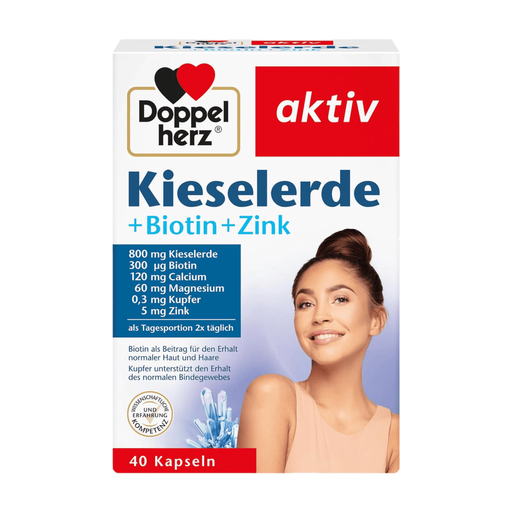
Why this product suits the profile: The formula combines silicon, biotin, zinc, copper, calcium and magnesium. The recommended intake is two capsules daily with a meal.
The quantities per capsule and daily serving are clearly stated. This makes it easier to compare your intake with other zinc or biotin products.
Capsule format, several micronutrients and 40 capsules per pack.
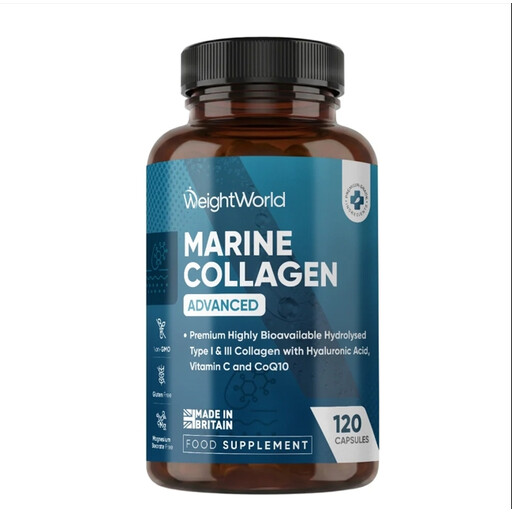
Why this product suits the profile: This supplement contains hydrolysed type I marine collagen peptides as well as hyaluronic acid, vitamin C, aloe vera extract and zinc.
The fish source is clearly stated. This makes it easier to check the product if you have allergies or specifically want animal-derived ingredients.
120 capsules, an unflavoured format and several additional ingredients.
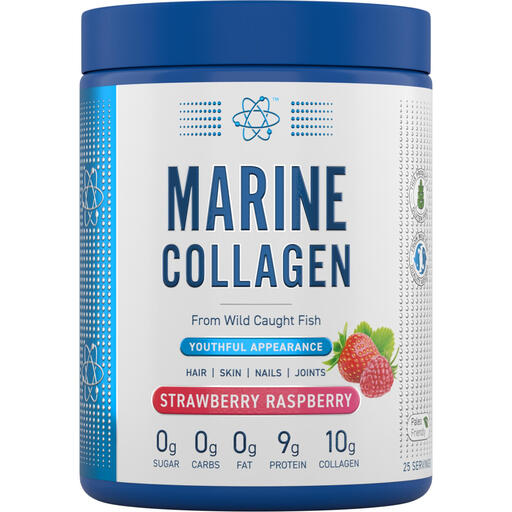
Why this product suits the profile: The powder format is ideal for users who want to stir collagen into drinks or food. The pack contains 300 g of marine collagen peptides.
Check the number of servings against your intended dosage before purchasing. This prevents you from judging the actual supply solely by the total weight.
The powder can be dosed flexibly and combined with a meal or drink.
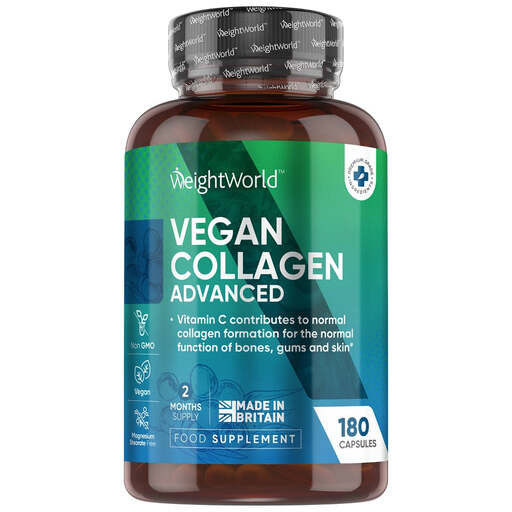
Why this product suits the profile: According to the product information, the formula is plant-based and combines amino acids with hyaluronic acid, vitamin C, vitamin E and zinc.
The “vegan” designation is supported by the stated plant-based capsule shell and the absence of fish, milk and soya in the product information.
180 capsules and a formula containing no animal collagen.
We have put together a complete, regularly updated list of products that fully meet these strict selection criteria and the safety regulations applicable in the EU.
This depends on the product, the dosage and your individual nutritional status. Many packs are designed to last 30, 60 or 90 days. The recommended daily amount must not be exceeded. If you plan to take a supplement over a longer period, or have existing medical conditions, take medication, or are pregnant or breastfeeding, it is advisable to consult a doctor.
No format is universally preferable. Powder offers flexibility and can accommodate a larger serving. Tablets and capsules are neutral in taste and easy to store. Ampoules and liquid collagen can be taken without water, but depending on the product may contain flavourings, sweeteners or preservatives. The decisive factors are the amount of collagen, its source, the ingredients list and how well the product fits into your daily routine.
Biotin products are not a treatment for hair loss and do not replace medical assessment. Under the authorised EU nutrition claim, biotin contributes to the maintenance of normal hair and skin. If hair loss starts suddenly or is severe, its cause should be investigated by a doctor before choosing a supplement.