
Lieferung heute & morgen

Qualitätsgarantie

Willkommens-Angebote freischalten: KOSTENLOSE Lieferung | Bis zu 80 % RABATT | Kostenlose 30-Tage-JoyPlus-Testphase
App herunterladen
A food vacuum sealer can package portions compactly, making them easier to store in the fridge or freezer. To make your purchase worthwhile, however, you should look beyond a high wattage rating or sweeping freshness claims. The right bags, a reliable seal and controls that suit your kitchen routine are what really matter.
A figure such as “12 litres per minute” describes the pump’s air flow rate. On its own, it does not show how well a vacuum sealer handles moist foods, delicate ingredients or bags of different sizes. The design of the vacuum chamber, the seal and the level of control also affect the result.
For occasional use, a compact heat sealer may be sufficient. If you regularly package meat, vegetables or prepared meals, you should also look for adjustable vacuum strength and a sufficiently wide sealing strip.
Many external vacuum sealers cannot be used correctly with standard smooth food storage bags. You will usually need textured bags or rolls of film, whose channels guide the air towards the pump. Before buying, check the following:
Some vacuum sealers with bags make it easier to get started, but ongoing costs are incurred when you buy replacements. The quantity supplied is therefore useful to consider, but should not be the only reason for choosing a product.
Vacuum sealing food reduces the amount of oxygen in the packaging. This can make the packaging more compact and support certain storage conditions. However, it does not replace the cold chain or good hygiene practices. Highly perishable foods should still be stored in the fridge or freezer. Raw ingredients, cooked food and delicate ingredients should be handled separately and labelled with their contents and date.
A seal width of around 28 to 30 cm is suitable for many household portions. According to the product information, the SEVERIN FS 3610 is compatible with bags and rolls up to 28 cm wide. The ProfiCook PC-VK 1146 handles textured film and bags up to 30 cm wide, according to the manufacturer. Wider bags are not automatically necessary: smaller bags can be more economical for individual portions and take up less space in the freezer.
An automatic vacuum sealing machine removes the air and seals the bag in a single cycle. This is convenient for meal prep and regular batch cooking. A stop button or adjustable vacuum level is useful when you want to prevent soft foods from being crushed.
Liquids and heavily marinated ingredients pose a risk of moisture entering the suction channel. A removable collection container, clearly explained cleaning instructions and a mode for moist foods are therefore important features.
Check whether the sealing bar and vacuum area can be cleaned with a soft, slightly damp cloth. Appliances must not be immersed in water and should be unplugged before cleaning. For bags, look for information about food use, temperature resistance and disposal. Claims such as “suitable for boiling and microwaving” should only apply to the specific bag material and be followed in accordance with the manufacturer’s instructions.
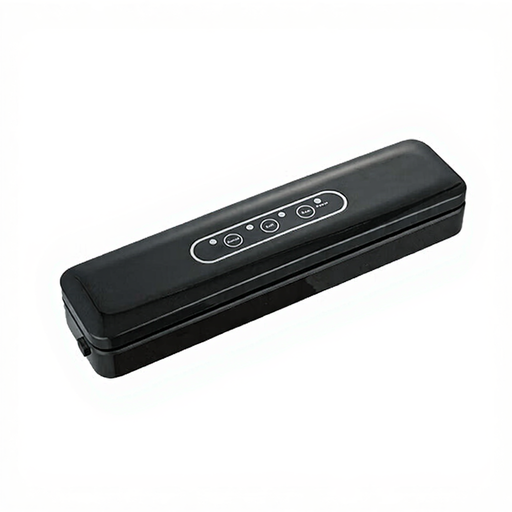
Why this product suits this profile: This compact appliance is designed for straightforward automatic operation and is suitable for households that occasionally want to package meat, vegetables, fruit or dry goods.
Automatic operation reduces the number of steps required. Before buying, you should still check which textured bags are suitable and whether the appliance can handle moist foods.
Compact design and automatic vacuum packaging according to the product description.
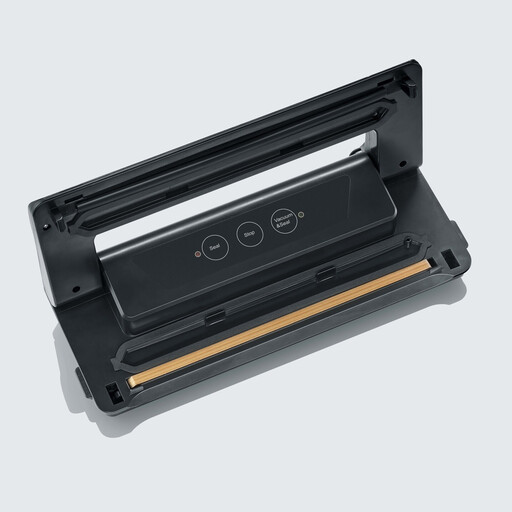
Why this product suits this profile: For regular kitchen use, the model offers a one-touch function, a stop button for delicate foods and an integrated cutter, according to the product information.
The stop button gives you more control than a fully automatic cycle. The stated maximum bag width of 28 cm clearly limits the choice of accessories.
One-touch vacuum sealing, a cutter and an easy-to-clean vacuum chamber according to the manufacturer’s information.
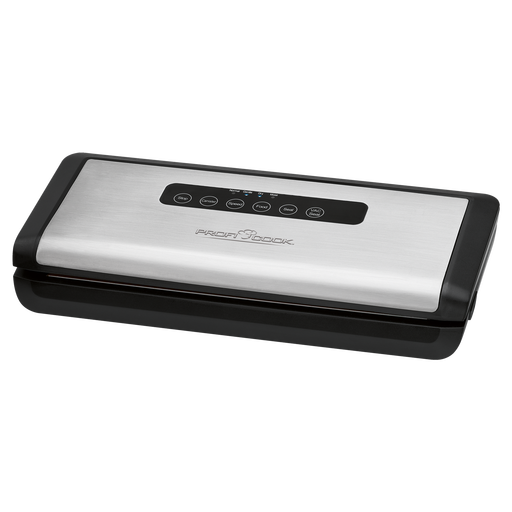
Why this product suits this profile: According to the product information, this model is aimed at users who portion larger quantities and also want to use the sealer as a sous-vide vacuum sealer.
Four vacuum levels and a container for residual moisture address the typical challenges posed by delicate or wetter ingredients.
12 l/min suction power, 18 bags included and a stated sealing width of up to 30 cm.
Vacuum sealing can help prevent freezer burn, provided the packaging remains airtight and storage conditions are suitable. With fresh food, temperature, cleanliness and the use-by date remain essential.
We have put together a complete, regularly updated list of products that fully meet these strict selection criteria and the safety regulations applicable in the EU.
There is no universal answer. It depends on the type of food, its freshness at the time of sealing, hygiene, temperature and bag quality. Vacuum-sealed food should be stored in the fridge or freezer in line with the relevant recommendations and labelled with the date.
Liquids can be problematic in suitable bags because they may be drawn into the pump during extraction. A safer option is to pre-freeze soups or marinades, or use an appliance with a collection container and a suitable moisture function. The instructions for the specific vacuum sealer should always be followed.
The main ongoing costs are vacuum bags or rolls of film. Rolls allow you to create portions of different sizes, while pre-cut bags are quicker to use. So don’t just compare the appliance price; also consider bag width, material, pack size and suitability for fridge, freezer or sous-vide use.