
Lieferung heute & morgen

Qualitätsgarantie

Willkommens-Angebote freischalten: KOSTENLOSE Lieferung | Bis zu 80 % RABATT | Kostenlose 30-Tage-JoyPlus-Testphase
App herunterladen
As your Joybuy Product Recommendation Officer, I see daily how innovative products can simplify everyday life. A food waste disposer promises a clean, hygienic kitchen without overflowing organic waste bins and unpleasant odours. However, the market is flooded with models whose marketing promises often don't hold up in practice. Before you make a decision, it's crucial to understand the typical pitfalls that lead to disappointment and unnecessary expense.
This guide focuses on the objective features that define a reliable food waste disposer, helping you to distinguish marketing hype from genuine functionality.
Many buyers focus solely on the price or motor power, overlooking critical details that determine longevity and user-friendliness.
To avoid a bad purchase, you should focus your attention on three core technical areas. These determine whether a sink waste disposer is a worthwhile investment or a short-lived nuisance.
The power, often specified in HP (horsepower), is an important indicator. A model with 1/2 HP is sufficient for most households of 2 to 4 people to process everyday food scraps. However, more important than raw power is the motor type. Modern DC (direct current) permanent magnet motors reach their full speed almost instantly. This provides high torque, which reduces the likelihood of jams and makes the grinding process more efficient.
A high-quality stainless steel grinding system is non-negotiable. It withstands constant moisture and acids from food waste. Look for multi-stage grinding systems (e.g., "3-in-1") that break down waste into particularly fine particles. This minimises the risk of blockages in your drainage system. The size of the grinding chamber, often specified in millilitres, determines how much waste can be processed at once. A capacity of around 1000 ml is a good benchmark for normal household use.
A well-designed mounting system can be the difference between a quick DIY installation and an expensive professional call-out. Systems with a quick-lock mechanism allow for easy installation on standard sinks (usually with a 90 mm drain opening). An included air switch is an essential safety feature. Because it operates pneumatically, there is no direct contact between electricity and wet hands, making it safe to operate at the sink.
Based on the objective criteria above, we have identified products that suit specific user profiles and their requirements for modern kitchen equipment.
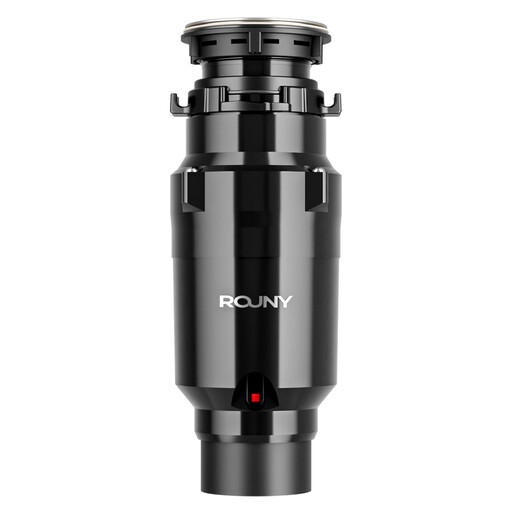
Why this product is a match: Ideal for households looking for a reliable and complete food waste disposal solution without having to worry about buying additional accessories.
The unit addresses all three core problems: it operates comparatively quietly at ≤50dB, features a durable stainless steel grinding system, and comes with a quick-lock system for easy installation as well as an air switch.
The 1/2 HP DC permanent magnet motor offers a fast start-up time. The complete package, including a splash guard and connection accessories, reduces potential additional costs.
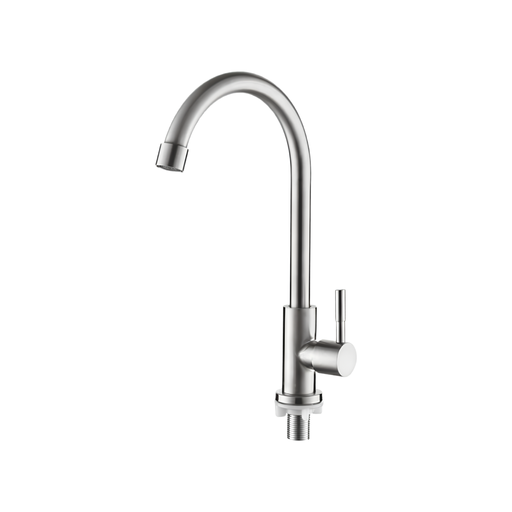
Why this product is a match: A great addition to any kitchen modernisation. Perfect for separate use in a utility room, garage, or outdoor kitchen where durability and functionality are paramount.
This product bypasses the trap of inferior fittings. It is made of lead-free SUS304 stainless steel, which prevents corrosion and ensures a long service life—a principle that also applies to grinding systems.
According to the manufacturer, the ceramic cartridge has been tested over 500,000 times and can reduce water consumption by up to 30%. The 360° swivel range offers maximum flexibility.
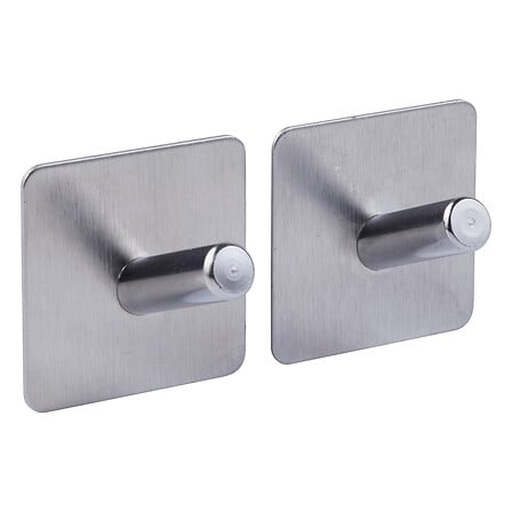
Why this product is a match: To maximise the space and cleanliness gained from a disposer. These hooks create order in the under-sink cabinet without damaging surfaces.
Avoids the "clutter trap" that can follow a kitchen upgrade. Instead of leaving drill holes in new cabinets, this product uses strong adhesive mounting that protects surfaces.
The hooks are made of steel and can each hold up to 1.5 kg. Installation is tool-free and ideal for smooth surfaces like the inside of cabinet doors or tiles.
We have compiled a complete, up-to-date list of products that fully meet these strict selection criteria and local safety regulations.
Are food waste disposers permitted in the UK? The legal situation can vary. The discharge of ground food waste into the public sewer system may be regulated or prohibited by local council wastewater bylaws. Before purchasing and installing a unit, it is essential to check with your local authority, council, or water supplier. Permission may be granted in some cases, particularly if connecting to a private septic system.
How difficult is it to install a food waste disposer? Modern units with quick-lock systems are designed for self-installation by experienced DIYers. However, basic plumbing skills are required. You will need a sink with a standard drain opening (usually 3.5 inches or 90 mm) and sufficient space under the sink. If there is no power socket nearby, the electrical installation should be carried out by a qualified professional.
What foods should not be put in a food waste disposer? Avoid grinding highly fibrous materials (e.g., asparagus peels, leeks, corn husks), large bones, or oyster and mussel shells. Fats, oils, and coffee grounds should also not be put into the disposer, as they can build up in the drain pipes and cause blockages. It is important to run cold water throughout the entire operation to flush away the ground particles.