
Lieferung heute & morgen

Qualitätsgarantie

Willkommens-Angebote freischalten: KOSTENLOSE Lieferung | Bis zu 80 % RABATT | Kostenlose 30-Tage-JoyPlus-Testphase
App herunterladen
By: Joybuy Product Recommendation Officer
Storing leftovers or prepped meals is an essential part of daily kitchen life. The goal is to keep food fresh, preserve flavours, and reduce food waste. But the range of products for covering food is vast, from classic rolls to elastic covers. This guide offers expert advice to help you find the most functional and practical solution for your household and explains the differences between various types of food wrap.
Choosing the right product depends on your personal habits and needs. Here are some objective criteria to help guide your decision.
Most food wraps are made of polyethylene (PE), a food-safe plastic. This material is flexible and clings well to smooth surfaces like glass or ceramic. A key consideration is whether the wrap is microwave-safe. PE films can typically be used for reheating in the microwave, as long as they do not directly touch the food. Caution is advised with very fatty or sugary foods, as they can reach high temperatures. Always follow the manufacturer's safety instructions. These films are generally not suitable for use in the oven.
Ease of use is a crucial factor. Classic rolls often require patience to find the start and get a clean tear. A food wrap with a dispenser or an integrated cutting device can make handling significantly easier. Another practical option is perforated film, which can be easily torn off at predefined points. As an alternative to rolled food wrap, consider fresh-keeping covers. These elastic food covers can be quickly and easily stretched over bowls, plates, and other containers.
Food wraps are available in various widths and lengths. A standard width of about 30 cm is sufficient for most plates and bowls. Bulk packs or rolls with a greater length are often more economical for families or individuals who cook regularly and want to keep food fresh. Smaller packs, on the other hand, are better suited for single-person households or occasional use.
Based on the criteria mentioned, we have curated a selection of products that meet different household needs with their specific features.
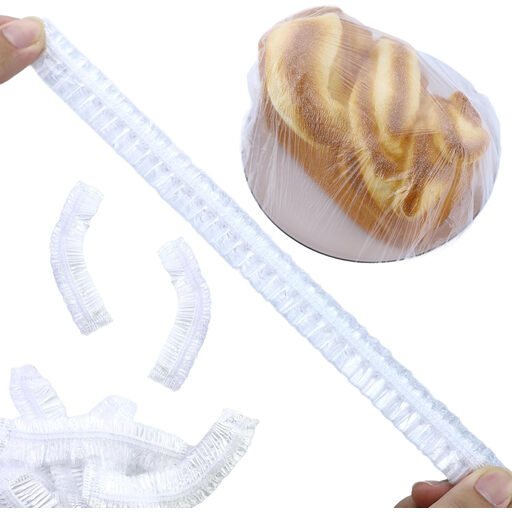
Why It Stands Out: These food covers offer a very quick and flexible solution for covering containers. Instead of tearing and fitting a sheet of film, the elastic cover is simply stretched over the rim of bowls, plates, or pots. The elastic band ensures a secure fit and hygienically seals the contents.
Pros:
Who It's For: Ideal for households that frequently store leftovers in various bowls and containers and are looking for a quick, hassle-free covering solution.
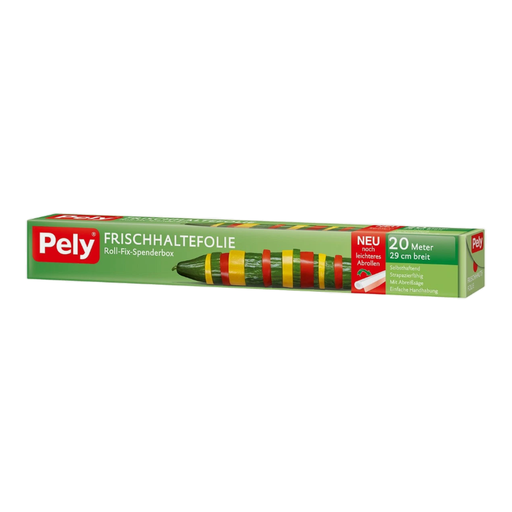
Why It Stands Out: The Pely Roll-Fix Box addresses a common problem: finding the start of the film. According to the manufacturer, the patented Roll-Fix system ensures that the start of the film is automatically held in a ready-to-grip position after tearing. This makes the self-adhering film particularly user-friendly.
Pros:
Who It's For: A great choice for anyone who appreciates the convenience of classic cling film but wants to avoid the hassle of searching for the start.
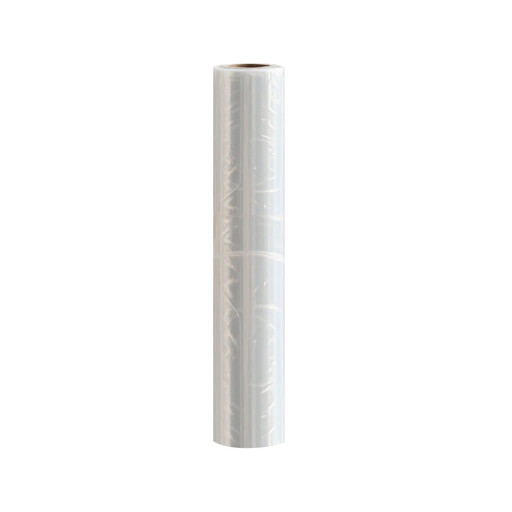
Why It Stands Out: This product combines the benefits of a large roll with the convenience of perforation. The film is equipped with predefined tear lines, allowing it to be separated cleanly without scissors or a cutting edge. Its temperature resistance makes it suitable for both the refrigerator and the microwave.
Pros:
Who It's For: Perfect for budget-conscious users and families who need a large amount of wrap and value quick and easy dispensing.
The products featured here already cover a wide range of needs. If you haven't found the ideal solution yet, there are more options to explore.
Explore our full range of food wraps and find the perfect solution for your kitchen.
Besides the food covers shown here, other alternatives are available. These include reusable beeswax wraps, silicone lids, or glass containers with matching lids. Each option has specific pros and cons regarding reusability, flexibility, and initial cost. Disposable food-keeping products like films and covers stand out primarily for their high flexibility and hygienic single-use application.
Yes, many PE-based food wraps are microwave-safe. However, it is important to follow the manufacturer's instructions. The film should not directly touch the food to prevent melting. A small gap should be left open to allow steam to escape. Special care should be taken with foods high in fat or sugar, as they can get very hot.
Getting a clean tear is often a challenge. For rolls in dispenser boxes, it works best to pull the film taut over the serrated edge and tear it off with a quick motion. Products like the Pely Roll-Fix Box with its holding system or the Maxcook film with perforation are specifically designed to simplify this process.