
Lieferung heute & morgen

Qualitätsgarantie

Willkommens-Angebote freischalten: KOSTENLOSE Lieferung | Bis zu 80 % RABATT | Kostenlose 30-Tage-JoyPlus-Testphase
App herunterladen
Whether it's dinner leftovers, sliced fruit, or prepped ingredients for the next day, proper food storage is a cornerstone of any kitchen. Effective food storage not only helps preserve the freshness and flavour of your meals but also plays a key role in reducing food waste and its associated costs.
However, the market is filled with a wide array of products for covering and preserving food. From classic cling film on a roll and flexible elastic food covers to reusable freezer bags, there is a solution for every need. This article introduces various options and provides objective information to help you choose the right product for your kitchen.
To find the most suitable method for covering leftovers and storing food, a few objective criteria can help guide your decision.
The material is a key determinant of a product's suitability for specific tasks. Conventional cling film is typically made of polyethylene (PE), a flexible plastic that adheres well to smooth surfaces. This is often sufficient for covering bowls and plates in the refrigerator.
For freezing or long-term storage, more robust materials are advantageous. Reusable freezer bags are often made from multi-layer composites that may include an aluminium (AL) layer. This layer can block light, thereby slowing down the oxidation of food. Such food-grade zip-top bags are specifically designed for use at low temperatures.
Ease of use is a crucial factor in the daily kitchen routine. Classic film rolls like Toppits Cling Film feature integrated cutting systems. In contrast, bowl covers with an elastic band can be stretched over round containers with exceptional speed.
At the same time, reusability is becoming an increasingly important consideration. While classic cling film is generally a single-use product, certain freezer bags can be reusable. These can be cleaned after use and kept ready for the next time, which can reduce waste in the long run.
Here is a selection of different products that meet various food storage requirements.
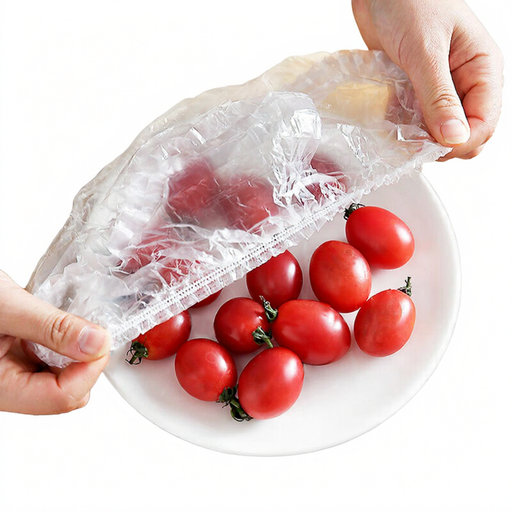
What makes it stand out: This set provides a large quantity of elastic food covers. Thanks to the elastic band, they adapt flexibly to various bowl and container sizes, allowing for quick and straightforward covering of food.
Advantages:
Best for: Households that frequently store salads, dough, or leftovers in bowls and are looking for a fast, practical alternative to conventional cling film.
View Product: BJ Elastic Food Covers Set

What makes it stand out: These bags are designed for multiple uses and feature a durable slider closure. The multi-layer material made of PET, Aluminium (AL), and PE is opaque and suitable for use in the fridge and freezer at temperatures from -20°C to 100°C.
Advantages:
Best for: Individuals who regularly freeze meat, fish, vegetables, or prepared meals and prefer a durable, reusable solution for better freezer organisation.
View Product: Maxcook Reusable Freezer Bags
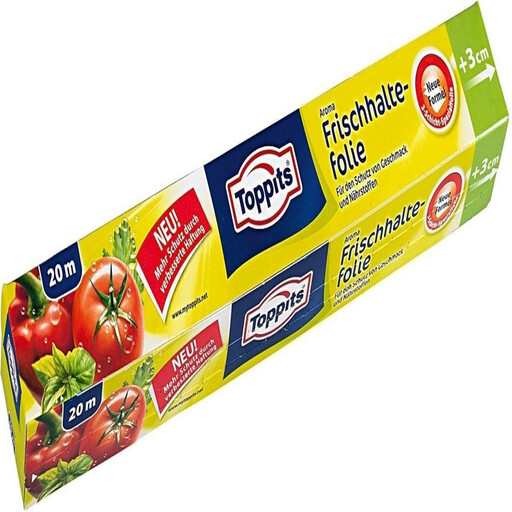
What makes it stand out: This is the classic solution for food storage. The film is self-adhering and, thanks to its flexibility, can be adapted to almost any shape. The packaging is equipped with a practical cutting system and a roll holder.
Advantages:
Best for: Users who appreciate a versatile and proven solution for covering a wide variety of foods and containers and need the flexibility of cut-to-size film.
View Product: Toppits Cling Film
The right food storage is just one part of a well-organised household. If you are looking for other practical products for your home, you will find a wide selection in our range.
For example, take a look at our selection of summer-weight goose down duvets.
Standard cling film made of PE can become brittle at very low temperatures and lose its protective effect. For freezing, special freezer bags, particularly reusable freezer bags made of thicker, cold-resistant material, are a more reliable choice. They offer better protection against freezer burn.
Cling film is torn from a roll and adheres to the edges of containers through static cling. It is very flexible and adapts to any shape. Elastic food covers, also known as bowl covers, are pre-formed and fitted with an elastic band. They can be stretched over round containers very quickly but are less suitable for irregularly shaped foods.
Proper storage is crucial. Use airtight containers, food-grade zip-top bags, or well-sealing covers to minimise contact with air. Labelling frozen foods with their contents and date helps you keep track. Good planning to use up leftovers promptly by covering them properly and placing them visibly in the fridge also contributes significantly to reducing waste.