
Lieferung heute & morgen

Qualitätsgarantie

Willkommens-Angebote freischalten: KOSTENLOSE Lieferung | Bis zu 80 % RABATT | Kostenlose 30-Tage-JoyPlus-Testphase
App herunterladen
A food dehydrator with timer and temperature control can dry fruit, vegetables, herbs, meat and even homemade dog treats over many hours. In practice, however, the result depends on more than just a high wattage or a large number of trays. What really matters is a controllable temperature, even air circulation and a timer suited to the food being dried.
Anyone who focuses only on marketing claims often overlooks important details. Three typical buying patterns are particularly likely to lead to disappointment:
A versatile electric food dehydrator should cover a sufficiently broad temperature range. Herbs and thin fruit slices generally require different settings from meat or jerky. When comparing models, the product description should therefore include more than just “temperature control”: check the specific range and how the controls work.
According to the product information, the temperature on the WOOX 5-Tray Food Dehydrator can be adjusted from 35 °C to 75 °C. Digital control allows more precise adjustment for fruit, vegetables, herbs, meat and pet treats. Its suitability for meat also depends on the thickness of the cuts, preparation, hygiene and safe drying procedures. A food dehydrator does not replace basic food hygiene practices.
A food dehydrator with a 72-hour timer is particularly practical when drying will not be finished after a short period. A longer timer reduces the need to restart the appliance manually during the night or while you are away.
Look for:
The WOOX food dehydrator is described as having a timer of up to 72 hours. The stated setting ranges from 30-minute intervals to longer cycles.
A 5-tray food dehydrator offers more space than a model with only a few levels. However, usable capacity should be assessed based on the actual tray dimensions. The WOOX model is specified as having five removable drying trays, each measuring 280 × 235 mm.
Airflow is equally important. According to the product description, 360-degree air circulation can help distribute air more evenly across the levels. However, it does not replace properly cutting and arranging the food. Try not to overlap the pieces.
The following features also affect everyday usability:
The WOOX model is described as having dishwasher-safe parts, a transparent construction, a stainless steel cover and an operating noise level of no more than 45 dB. These details are based on the product information provided and should be checked against the current product page before purchase.
The selection below categorises the available products according to their documented intended use. When drying meat or making homemade dog treats, you should also follow guidance on hygiene, storage and safe temperatures.
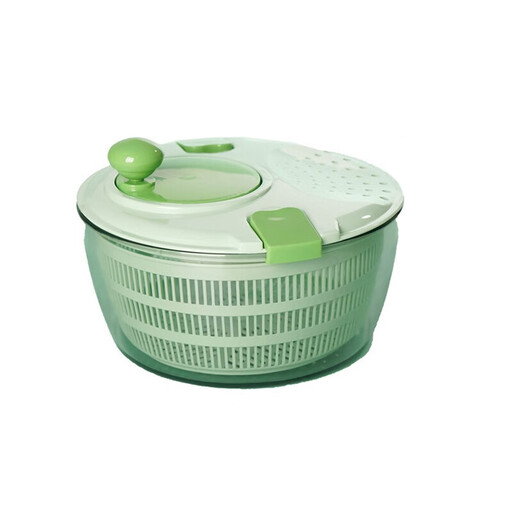
Why this product suits this profile: The product name indicates that this is a vegetable dehydrator, making it relevant to shoppers who initially want to dry smaller quantities of vegetables or simple ingredients. Before buying, check the temperature range, timer, number of trays and dimensions directly on the product page.
The clear product name makes it easier to identify the intended use. Features that are not documented, such as a 72-hour timer or a particular airflow system, should not be assumed.
As a vegetable dehydrator, the model is intended for plant-based ingredients according to its product name. The technical details should be checked in full before making a purchase decision.
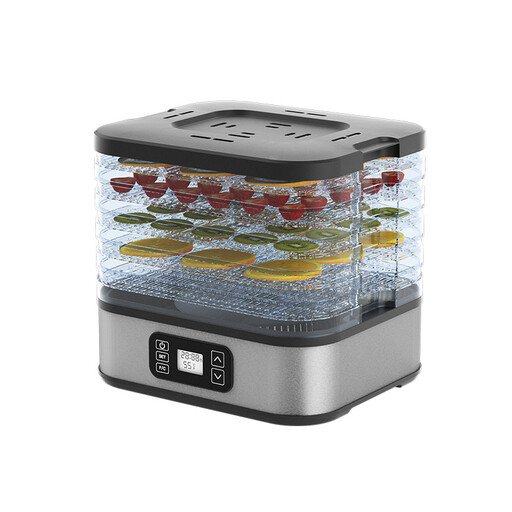
Why this product suits this profile: The documented temperature range of 35 °C to 75 °C, five trays and timer of up to 72 hours make it suitable for households that regularly process a variety of foods.
The long timer duration prevents a drying process lasting several hours from being interrupted by a programme that is too short. The stated 360-degree air circulation also addresses the risk of the levels drying unevenly.
Adjustable temperature from 35–75 °C, five trays measuring 280 × 235 mm, a timer of up to 72 hours and stated dishwasher-safe parts.
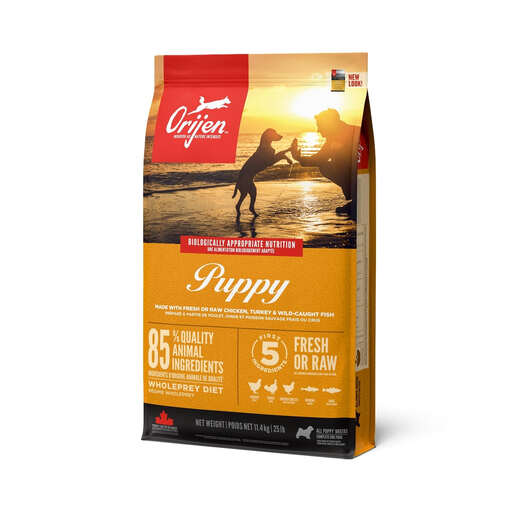
Why this product suits this profile: This product is dog food, not a food dehydrator. For dog owners, it therefore serves as a clear distinction: anyone wanting to make natural dog treats at home will also need a suitable dehydrator and should follow the food’s feeding recommendations.
Its clear classification prevents it from being confused with a dehydrator for making dog treats. A food dehydrator should not be selected based on a dog food product.
The stated net weight is 11.4 kg and the recipe contains animal-based ingredients. This product serves a different purpose from a fruit or herb dehydrator.
We have put together a complete, regularly updated list of products that fully meet these strict selection criteria and the safety regulations applicable in the EU.
Before using the appliance for the first time, clean the trays and removable parts according to the manufacturer’s instructions. Cut fruit and vegetables into pieces of möglichst even size so that they take a similar amount of time to dry. Herbs should be spread loosely rather than placed too closely on top of one another.
Meat requires particular care:
For dog treats, use only ingredients that are suitable for the dog in question. Spices, onions, garlic, chocolate and certain sweeteners can be harmful to dogs. A food dehydrator does not automatically make unsuitable ingredients safe.
The duration depends on the water content, thickness, quantity, temperature and desired residual moisture. Thin herbs can be ready considerably faster than thick pieces of fruit or meat. A timer of up to 72 hours provides sufficient flexibility for longer processes, but it does not replace regular checks of the result.
Consumption depends on the power rating and operating time. The simple calculation is: Power in kilowatts × running time in hours = energy consumption in kilowatt-hours. An appliance running for longer may therefore use more energy than a short drying cycle. For a realistic estimate, refer to the wattage of the specific model and your own electricity tariff.
Its service life depends on factors including material quality, cleaning, frequency of use and proper storage. Allow the appliance to cool completely after use, remove food residue promptly and follow the care instructions. Removable, easy-to-clean parts can make regular use more convenient.