
Lieferung heute & morgen

Qualitätsgarantie

Willkommens-Angebote freischalten: KOSTENLOSE Lieferung | Bis zu 80 % RABATT | Kostenlose 30-Tage-JoyPlus-Testphase
App herunterladen
Dry feet are often caused by low humidity, standing for long periods, friction, frequent showering or unsuitable footwear. The right foot cream for dry feet can support your daily care routine. However, texture, active ingredient concentration, fragrances and application instructions can vary considerably.
Urea helps retain moisture and is used in many products for dry, rough or thickened skin. A foot cream with urea can be useful for very dry skin. However, a high concentration is not necessarily the right choice for sensitive or irritated skin. Cosmetic foot-care products should not be used on open, bleeding or inflamed areas without first seeking medical advice.
Lightweight formulations are convenient to use in the morning and leave fewer traces on socks or inside shoes. Very dry heels may need a richer texture. If you choose solely based on the claim “absorbs quickly”, you could end up selecting a moisturising cream for feet that is too light for heavily callused skin.
Perfume, essential oils or fragrance allergens can create a pleasant skincare experience, but they are not always ideal for sensitive skin. It is therefore more important to check the full ingredients list than to rely on marketing terms such as “intensive”, “natural” or “instant”.
The term 10% urea foot cream indicates a specific active ingredient concentration. Products containing 10% urea are often marketed for dry to very dry skin. There are also formulations with higher concentrations for pronounced calluses, such as the Scholl Cracked Heel Balm Active Repair K+, which contains 25% urea according to the product information.
When choosing, consider the following:
Check whether the formulation contains perfume or fragrance ingredients that must be declared, such as limonene, linalool or citronellol. According to the product information, Neutrogena Rapid Absorption Foot Cream contains perfume. Lucovitaal Heel Foot Cream, on the other hand, is described as fragrance-free, although it contains essential oils such as eucalyptus, tea tree and rosemary oil.
If you have a known sensitivity, check the ingredients list before buying and before applying the product over a larger area for the first time. Applying a small amount to a limited area of skin can help show whether the product is tolerated. Stop using it if redness, burning or a rash occurs.
75 ml is suitable for targeted application to the heels and soles or for occasional use. 100 ml offers more flexibility for daily care of both feet. A twin pack such as the Neutrogena Foot Cream with 2 × 100 ml can be practical for regular use.
For intensive daily foot care:
If you have diabetes, circulatory problems, neuropathy or existing skin conditions, consult a doctor or podiatry professional when choosing a product. Cosmetic products are not a substitute for medical treatment.
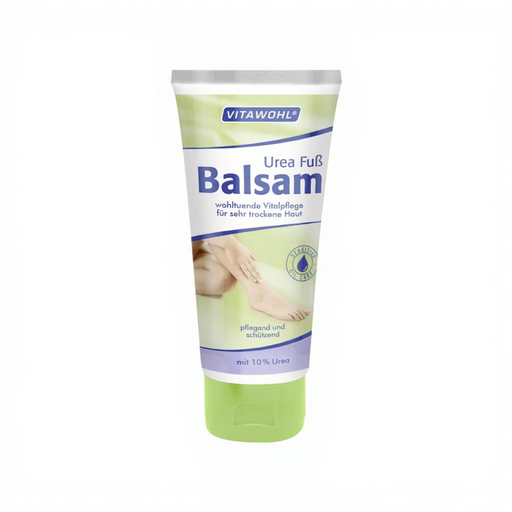
Why this product suits this profile: This compact 75 ml balm is intended for use on clean, dry feet. The stated 10% urea content is suitable for regular care of dry skin.
The urea concentration is clearly stated. This makes it easier to match the product to your own needs than when relying solely on promotional descriptions.
10% urea, 75 ml capacity and use as required.
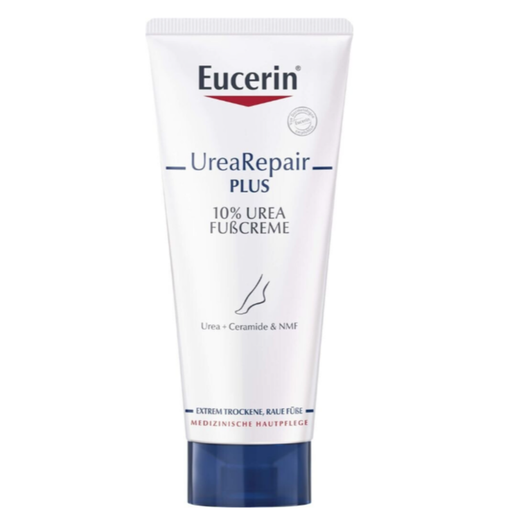
Why this product suits this profile: The product information states that it contains 10% urea, ceramides and natural moisturising factors. The cream is intended for dry, rough and cracked feet, with use in the morning and evening.
You can base your choice on clearly stated ingredient groups and the specified 100 ml quantity, rather than relying solely on general skincare claims.
10% urea according to the product information, ceramides and a fast-absorbing, non-greasy texture according to the description.
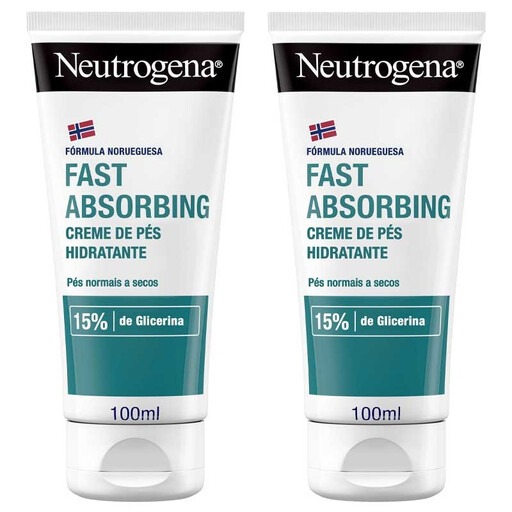
Why this product suits this profile: The lightweight, fast-absorbing texture and twin pack are ideal for people who care for their feet regularly and want to put on socks or shoes soon afterwards.
The product description explicitly states that it absorbs quickly. At the same time, it mentions perfume – an important point to check if you have sensitive skin.
2 × 100 ml, daily use and a fast-absorbing formulation according to the product description.
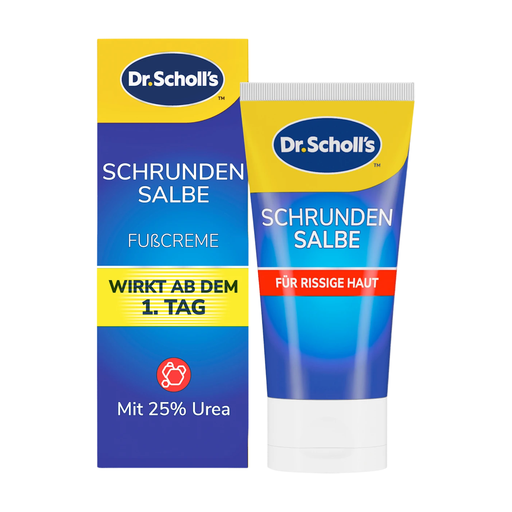
Why this product suits this profile: According to the product description, this balm with 25% urea and keratin is intended for heavily callused, extremely dry heels. The fragrance-free gel cream is designed for use twice a day.
The specific urea content prevents intensive callus care from being confused with a general moisturising cream. According to the product guidance, it must not be used on open or infected cracks.
25% urea according to the product information, fragrance-free formulation and targeted use on heels and callused skin.
A foot balm for cracked heels should not be chosen solely based on the highest active ingredient content. Also consider:
A foot mask such as the Lucky Trendy Moisturizing Foot Mask is designed for a one-off application lasting around 20 minutes. According to the description, it contains ingredients including urea, argan oil and sodium hyaluronate. As it is intended for single use, it is more of an additional treatment than a replacement for a cream that is available for ongoing use.
For very dry feet, products containing humectants such as urea, glycerine or panthenol may be suitable. For more pronounced calluses, a specially formulated foot cream for calluses with a higher urea concentration may be more appropriate. The condition of your skin, how well you tolerate the product and the individual product’s application instructions are all important.
Many products are designed for daily use. For dry skin, you can apply cream in the morning and evening, provided your skin tolerates the formulation. Your feet should not feel slippery after application before you put on your shoes.
The best-before date and the open-jar symbol on the packaging are the key points of reference. Store the cream according to the manufacturer’s instructions, usually in a cool, dry place away from direct heat and sunlight. If the smell, colour or consistency changes, stop using the product.