
Lieferung heute & morgen

Qualitätsgarantie

Willkommens-Angebote freischalten: KOSTENLOSE Lieferung | Bis zu 80 % RABATT | Kostenlose 30-Tage-JoyPlus-Testphase
App herunterladen
Dry soles, rough patches and cracked heels are often caused by a weakened skin barrier, friction, a lack of moisture or regular pressure. The right foot cream for dry feet can support your daily foot-care routine. However, products can differ considerably in texture, ingredients and how they should be used.
If you focus only on claims such as “intensive”, “fast-acting” or “for very dry skin”, you may overlook important details. What matters is the formula, how well your skin tolerates it and whether the product suits your specific needs.
Urea helps bind moisture, which is why it is a common ingredient in urea foot creams. A formula with 10 % urea may be useful for dry, rough soles. However, it can cause an uncomfortable stinging sensation on sensitive or irritated skin. Do not use this type of cream on open, bleeding or severely inflamed areas without first seeking medical advice.
Perfume, essential oils and certain preservatives can cause problems for some people. If your skin is sensitive, check the full INCI ingredient list. A pleasant, subtle scent also says nothing about how well a product cares for your skin.
Very rich textures can feel pleasant overnight, but may be inconvenient in socks or shoes in the morning. A fast-absorbing foot cream is often more practical for daily use. Even so, avoid walking on smooth floors straight after applying it, as residue can increase the risk of slipping.
Common ingredients in products for dry feet include urea, glycerin, panthenol and sodium lactate. Urea is often used in products for rough skin and hard skin. Glycerin helps bind moisture, while panthenol is found in many formulas for dry skin.
When choosing a foot cream for hard skin, look beyond the brand name and check the concentration and intended use. A cream with 10 % urea may suit hardened soles, while a lighter moisturiser may be better for ongoing care.
Ceramides are ingredients used in products for very dry skin. They can be an important consideration when choosing a foot cream for very dry skin. You should still check the specific formula, as product names and ingredient lists do not always match exactly.
Pack sizes of 75 to 100 ml are common for daily foot care. A twin pack such as 2 × 100 ml can be handy if you apply cream to both feet regularly. A rich foot cream for cracked heels is often a good choice for evening use, while a fast-absorbing texture fits more easily into your morning routine.
As a rule, only apply foot cream between your toes if the manufacturer’s instructions say to do so. The skin there is more likely to stay damp. After applying cream, make sure your feet are completely dry or that the cream has been absorbed.
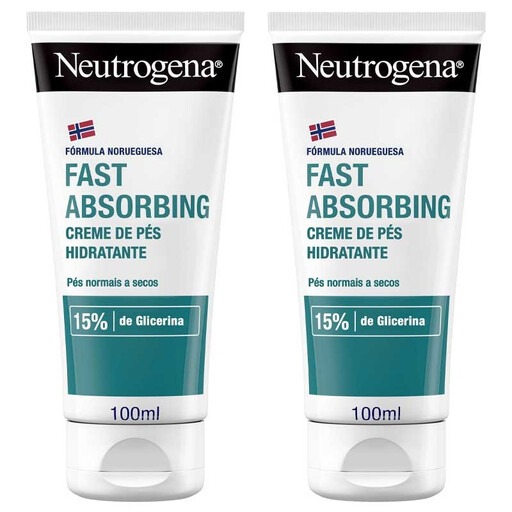
Why this product suits this profile: This twin pack is a good fit if you care for your feet regularly and prefer a lightweight texture for everyday use. The stated formula contains glycerin, panthenol and allantoin.
The product name highlights its fast-absorbing formula, making it easier to fit into your day without needing to allow a long time for it to sink in.
2 × 100 ml; lightweight cream; glycerin, panthenol and allantoin listed among the ingredients. Contains perfume.
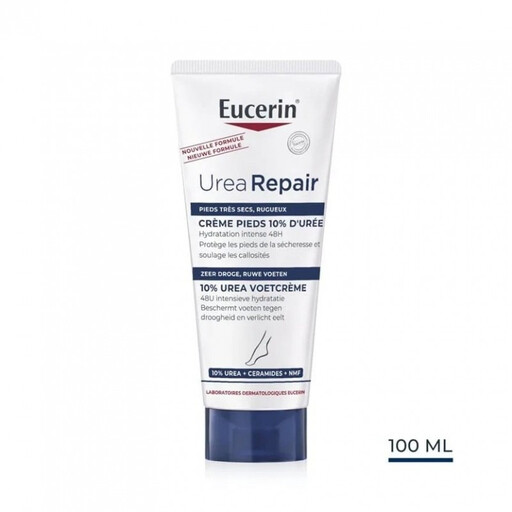
Why this product suits this profile: This 10 % urea formula is designed for dry to very dry feet and cracked heels. The product description lists ceramides, glycerin and other moisture-binding ingredients.
The urea concentration is clearly stated, so you can match the product more closely to your need for moisture and hard-skin care.
10 % urea; ceramide NP; sodium lactate and glycerin listed among the ingredients; 100 ml.
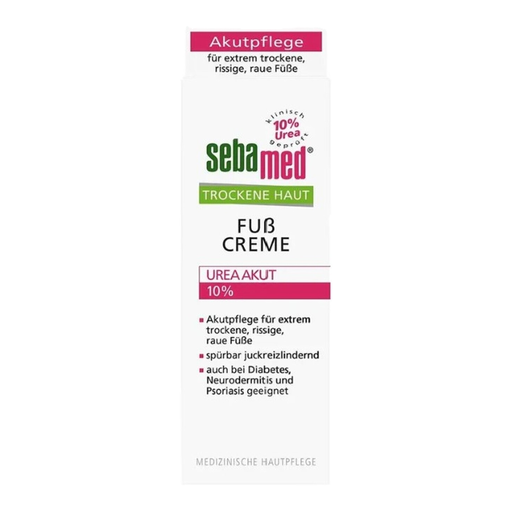
Why this product suits this profile: The product description mentions very dry, rough and cracked skin, as well as suitability for foot care for people with diabetes. If you have diabetes or poor circulation, however, you should discuss your choice of product with a healthcare professional.
The directions and warnings are clearly stated. This makes it easier to distinguish the product from those that should not be used on irritated or injured skin.
10 % urea; panthenol and vitamin E; 100 ml; according to the product description, free from colourants, petroleum jelly, silicones and PEG compounds.
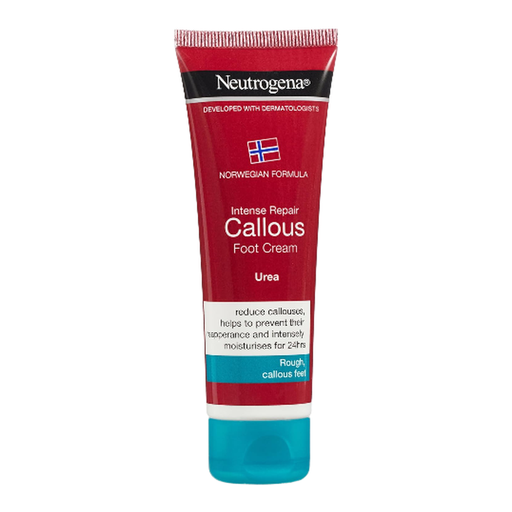
Why this product suits this profile: The formula is listed as containing 10 % urea, glycerin and panthenol, and is intended for rough areas such as heels and soles.
The smaller pack size lets you target specific problem areas without having to buy a large amount straight away.
10 % urea; glycerin, panthenol and allantoin; 50 ml; according to the product description, suitable for daily or more intensive use.
We’ve put together a complete, regularly updated list of products that meet these strict selection criteria and fully comply with the safety regulations in force in the EU.
If cracks persist, or you experience pain, bleeding, signs of inflammation or severe itching, seek medical advice to find out what is causing them. This is particularly important if you have diabetes, neuropathy or poor circulation. A foot cream for people with diabetes is no substitute for a medical foot check-up.
Most products are designed for daily use on clean, dry skin. If your feet are very dry, you may find that applying cream in the morning and evening works well, provided your skin tolerates the formula.
Urea is often used in products for dry, rough and hardened skin. However, do not use it on open, bleeding or inflamed cracks without advice from a healthcare professional. The concentration and the warnings for the specific product are important.
A foot balm is often richer and particularly well suited to evening care. A lighter, moisturising foot cream may be more convenient in the morning or when you’re out and about. The right choice depends on your skin’s condition, the season and how quickly you want it to absorb.