
Lieferung heute & morgen

Qualitätsgarantie

Willkommens-Angebote freischalten: KOSTENLOSE Lieferung | Bis zu 80 % RABATT | Kostenlose 30-Tage-JoyPlus-Testphase
App herunterladen
Dry feet, rough soles and cracked heels are often caused by dry indoor air, standing for long periods, unsuitable footwear or naturally low levels of skin moisture. The right foot cream for dry feet can be a useful addition to your daily routine. But it’s not just the claims on the packaging that matter: the ingredients, their concentration, directions for use and how well the product suits your skin all play a part.
Urea helps bind moisture, which is why it’s often used in foot cream with urea. A foot cream with 10% urea may suit dry to very dry skin. Products with higher concentrations are sometimes available for areas of particularly hard skin. But a higher concentration isn’t always the better choice. Sensitive or irritated skin may react to intensive formulas.
A fast-absorbing foot cream is handy for everyday use, especially before putting on socks or shoes. But how quickly it sinks in doesn’t tell you how it cares for your skin. Look out for humectants such as glycerin, urea or sodium lactate, as well as emollient ingredients.
Perfume, tea tree oil, eucalyptus oil and rosemary oil can create a particular feel on the skin, but they won’t suit everyone. If you have sensitive skin, eczema or psoriasis, check the ingredients list carefully and, if necessary, ask a doctor before using the product.
For dry, rough feet, a formula with 5 to 10% urea is often a straightforward choice for daily care. A foot cream for hard skin with a higher urea content is more suited to areas of particularly hardened skin. Always follow the directions on the packaging.
If you have cracked heels, check whether the cream is unsuitable for open, bleeding or inflamed areas. Many products must not be used on these areas. So a foot cream for cracked heels isn’t automatically suitable for deep or painful skin cracks.
Humectants such as glycerin or urea increase the water content of the outermost layer of skin. Oils, fats and certain silicones can also help keep moisture in the skin. Ceramides and natural moisturising factors are often used in products for very dry skin.
Look out for the following:
Apply foot cream to clean, completely dry feet. Your heels and soles usually need more product than the tops of your feet. Only apply cream between your toes if the instructions specifically say to, as moisture can build up there.
For more intensive foot care, you can apply a slightly richer layer in the evening. Cotton socks can help stop the cream transferring straight onto your bedding or clothes. The floor may be slippery after application.
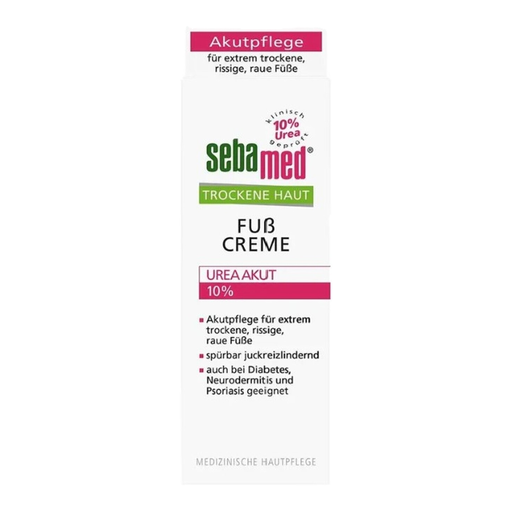
Why this product suits this profile: Its formula with 10% urea, glycerin, panthenol and vitamin E is designed for dry to very dry skin and can be worked into a regular skincare routine.
The urea concentration is clearly stated, so you can make an informed choice rather than relying on vague claims such as “intensive”.
10% urea; according to the product information, free from colourants, petroleum jelly, silicones and PEG compounds.
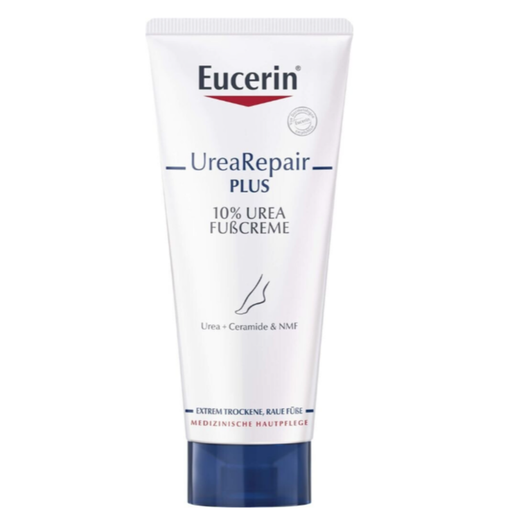
Why this product suits this profile: The product information lists 10% urea, ceramides and natural moisturising factors. This makes the cream a good option for people who want to care for the skin barrier as well as hydrate their skin.
The choice isn’t based on urea content alone: ceramides and NMFs are also taken into account. This means several relevant product features are considered.
10% urea, plus ceramides and natural moisturising factors according to the product description; designed for daily use.
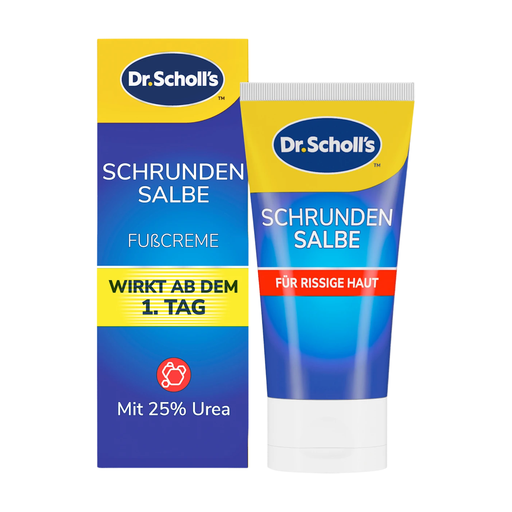
Why this product suits this profile: According to the product description, its formula contains 25% urea and is designed for very dry, hardened heels. The fragrance-free gel cream may be a good choice for targeted use.
The high concentration is clearly stated, rather than being confused with a general moisturising claim. Be sure to follow the advice against using it on open cracks.
25% urea according to the product information; fragrance-free gel cream with keratin ingredients.
A lightweight texture can also be a good choice for everyday use. According to the product description, Neutrogena Rapid Absorption Foot Cream is fast-absorbing and comes in a twin pack of 2 × 100 ml. If you’re looking for a hard skin cream with lactic acid, urea and glycerin, check the ingredients list for Scholl Intensive Anti-Callus Cream. If you have diabetes or poor circulation, ask a medical professional whether these products are suitable before using them.
We’ve put together a complete, regularly updated list of products that meet these strict selection criteria and fully comply with the safety regulations in force in the EU.
If you have dry feet, applying cream once a day is a good starting point. Depending on the product instructions, very dry areas can be treated in the morning and evening. If you experience redness, stinging or itching, stop using the product and monitor your skin.
Check the open-jar symbol on the packaging, for example “12M”. It shows the recommended period for using the product after opening. You should also check its smell, colour and consistency. If any of these change, stop using it.
A foot cream for people with diabetes, eczema or psoriasis shouldn’t be chosen based on the product name alone. If you have diabetes, poor circulation, open areas of skin or a diagnosed skin condition, it’s best to consult a doctor or podiatrist beforehand. Only use products in line with their safety instructions, and never apply them to open, bleeding or infected skin.