
Lieferung heute & morgen

Qualitätsgarantie

Willkommens-Angebote freischalten: KOSTENLOSE Lieferung | Bis zu 80 % RABATT | Kostenlose 30-Tage-JoyPlus-Testphase
App herunterladen
Dry feet are often caused by dry indoor air, prolonged standing, unsuitable footwear or a lack of daily care. The skin can become particularly rough and develop cracks around the heels and soles. However, anyone looking for a foot cream for dry feet will find many products making similar claims. What matters, therefore, is not just the brand name, but also the formulation, how the product is used and whether it suits your specific skincare needs.
Urea, lactic acid and salicylic acid are often associated with intensive callus care. A higher concentration can be useful for severe callusing, but it is not automatically suitable for sensitive or irritated skin. Ordinary foot cream should not be applied to open, bleeding or inflamed areas.
A rich cream can make dry skin feel softer straight away. This does not mean that a single application will permanently address the underlying cause. Regular application is what matters for dry and cracked feet. A fast-absorbing texture is also not necessarily more important to every user than an intensive protective layer applied overnight.
Parfum, limonene, citronellol and essential oils such as tea tree, eucalyptus and rosemary oil may not be suitable for every skin type. If you have sensitive skin, it is worth checking the full ingredients list. A pleasant fragrance is not an objective indication of better skincare performance.
A urea foot cream can serve different skincare purposes depending on its concentration:
Tolerance depends on the condition of your skin. If you have sensitive skin, test a small amount on a limited area first. If you have diabetes or circulatory problems, it is important to seek medical advice before use.
Glycerine, natural moisturising factors, panthenol, plant oils, shea butter and ceramides can complement the formulation. Ceramides and NMFs are particularly worth considering if dry heels are accompanied by a feeling of tightness. The ingredients list should make it reasonably clear whether the main focus is hydration, replenishing lipids or reducing calluses.
A lightweight cream is practical if you plan to put on socks or shoes immediately afterwards. A rich foot balm is more suitable for an evening routine. Apply little or no product between the toes to prevent a persistently damp environment from developing. For caring for cracked heels, applying a thicker layer overnight can be helpful, provided the product instructions allow it.
The following selection categorises products based on their stated ingredients, textures, application instructions and skincare benefits.
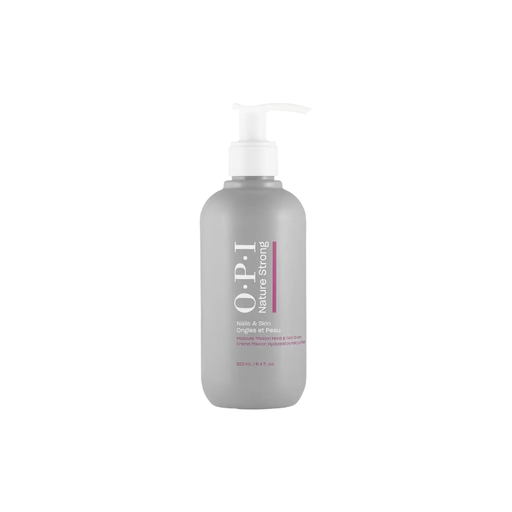
Why this product suits this profile: The 250 ml size and suitability for hands, feet and nails make this cream appealing to users who prefer a versatile product for everyday care.
The product description names specific plant oils and shea butter extract rather than making only general moisturising claims. If you are sensitive to fragrance, check the stated fragrance ingredients.
Rich texture, vegan product claim, and suitable for use on hands, feet and cuticles.
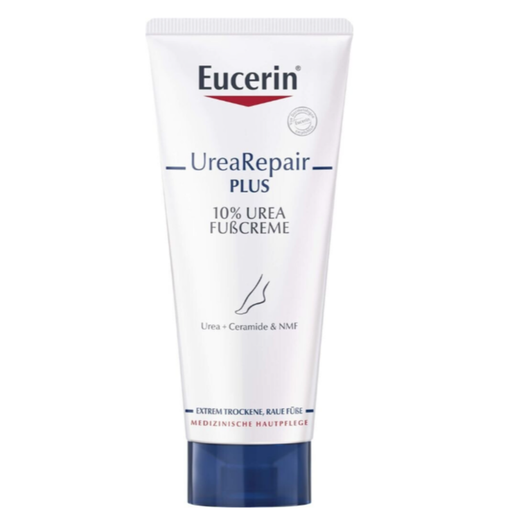
Why this product suits this profile: The formulation lists 10% urea, ceramides and natural moisturising factors. This makes it possible to assess the skincare approach based on specific ingredient information.
Rather than promoting just one active ingredient, the product specifies several ingredients and a non-greasy, fast-absorbing texture. It is intended for dry, rough and cracked feet.
10% urea, ceramides and NMFs; according to the manufacturer, provides up to 48 hours of moisturisation.
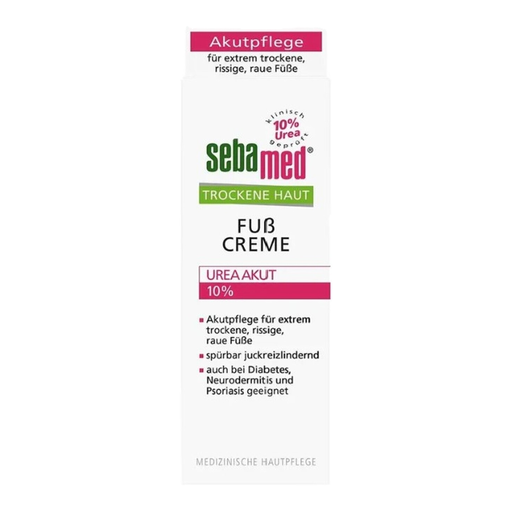
Why this product suits this profile: The product information is aimed at very dry, rough and cracked skin. It lists 10% urea, panthenol and vitamin E, and is free from Vaseline, silicones and PEG compounds.
The information clearly states that the product contains fragrance. People with sensitive skin should therefore consider the ingredients list and their individual tolerance.
10% urea, panthenol and plant-derived glycerides; according to the product information, also intended for foot care for people with diabetes, atopic dermatitis and psoriasis.
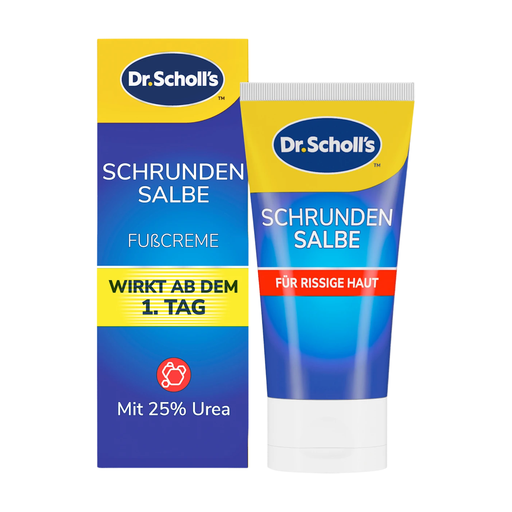
Why this product suits this profile: The product is designed for heavily callused and dry heels and, according to the product description, contains 25% urea and keratin components. It is therefore suitable for targeted rather than general foot care.
The high urea concentration is clearly stated, making it easier to compare with your own skincare goal. Do not apply to open, bleeding or infected cracks.
25% urea, fragrance-free gel cream and instructions to apply twice daily.
For a reliable routine, buyers can follow these steps:
A foot mask can be used as an occasional addition to your routine. According to the product description, the Lucky Trendy Moisturizing Foot Mask is worn for around 20 minutes and contains, among other ingredients, urea, argan oil, olive oil and sodium hyaluronate. The instructions state that it is not intended for use on cuts, sensitive skin or if you have known allergies.
If you have diabetes, impaired circulation, pronounced atopic dermatitis or psoriasis, you should choose a foot cream for people with diabetes in consultation with a doctor or podiatry professional. Cosmetic products are not a substitute for medical treatment.
We have compiled a complete, regularly updated list of products that fully meet these strict selection criteria and the safety regulations applicable in the EU.
For normally dry skin, applying cream once a day is often enough, for example after showering or before bed. For particularly rough areas, the product instructions may recommend more frequent use. The important thing is to apply the cream regularly, not only when visible cracks appear.
Formulations containing urea or other callus-reducing ingredients are often available as targeted foot cream for calluses. The concentration should be suitable for the condition of your skin. If your skin is sensitive or damaged, gentler care or professional advice is recommended.
The period-after-opening symbol on the packaging, the printed best-before date and the manufacturer's storage instructions are the key factors. Tubes or jars should be closed securely and protected from direct heat. If the smell, colour or consistency changes, stop using the product.