
Lieferung heute & morgen

Qualitätsgarantie

Willkommens-Angebote freischalten: KOSTENLOSE Lieferung | Bis zu 80 % RABATT | Kostenlose 30-Tage-JoyPlus-Testphase
App herunterladen
Dry, rough or cracked heels are often caused by low humidity, prolonged standing, friction, unsuitable footwear or a neglected skincare routine. When looking for a foot cream for dry feet, many products may seem similar at first glance. However, it is not just the packaging and marketing claims that matter. The formulation, condition of your skin and how you use the product are all important.
Urea binds water, which is why it is often used in a foot cream with urea. A concentration of 10% may be suitable for dry skin. Products with higher concentrations are sometimes available for heavily callused skin. However, sensitive or irritated skin may react uncomfortably to concentrated formulations. Ordinary cosmetics should not be used on open, bleeding or inflamed areas.
A lightweight cream can be practical if you need to put on socks or shoes straight afterwards. For very rough heels, a richer texture may be more suitable. Check whether the formulation combines humectants such as glycerine or urea with nourishing, replenishing ingredients. A foot cream for cracked heels should also not be chosen solely on the basis of its fragrance or packaging design.
Parfum, limonene, citronellol and essential oils can provide a pleasant fragrance experience, but for sensitive skin they are important details on the ingredients list. If your skin is prone to irritation, choose a formulation with a straightforward ingredients list that is fragrance-free or only lightly fragranced. The term “natural” also does not automatically mean that a product will be well tolerated by every skin type.
For care of rough feet, humectants are an important starting point. Urea and glycerine help bind water in the outermost layer of the skin. For dry but not heavily callused skin, daily care with a moderate urea concentration may be sufficient. Products with additional smoothing ingredients may be suitable for individual callused areas.
Shea butter, plant oils, certain lipids and ceramides can complement a rich formulation. They are particularly worth considering if your skin feels tight or becomes even drier due to frequent washing. A moisturiser for feet should spread easily and fit into your routine so that you can use it regularly.
Apply foot cream to clean, dry feet, concentrating on the heels, soles and rough areas. Do not leave a thick layer of cream between the toes, as this can create a damp environment. After applying a rich moisturiser, cotton socks worn overnight can prolong contact with the skin. Take care on smooth floors, as cream can increase the risk of slipping.
If you have diabetes, circulatory problems, pronounced skin changes or recurring painful cracks, consult a medical professional when choosing a product. The instructions provided by the respective manufacturer on the packaging and product page are decisive.
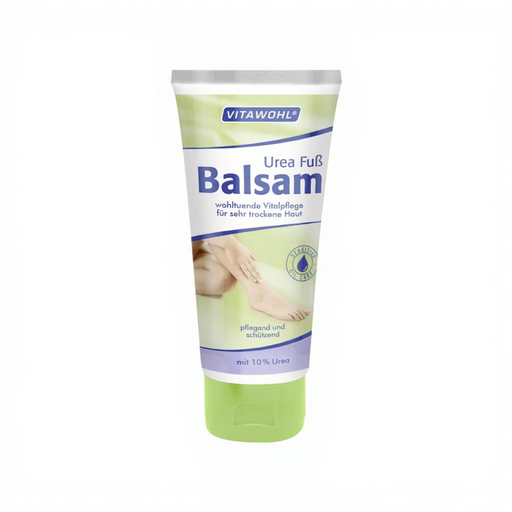
Why this product matches the profile: This foot balm clearly states its 10% urea concentration and is suitable for straightforward daily care of dry feet.
The active ingredient concentration is clear from the product name. This means buyers do not have to assess the moisturising effect based solely on marketing claims.
10% urea, 75 ml contents and application to clean, dry feet.
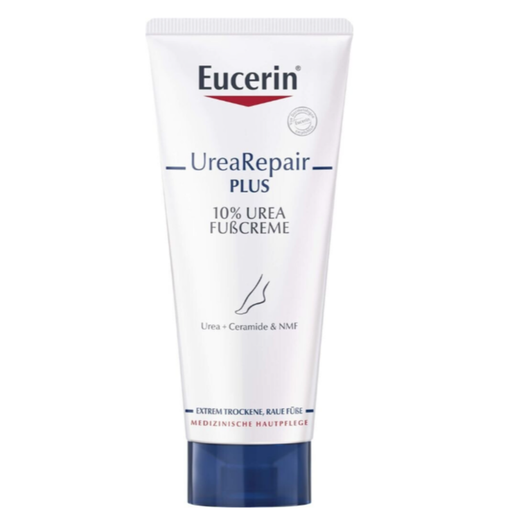
Why this product matches the profile: According to the product information, the formulation combines 10% urea with ceramides and natural moisturising factors. This is appealing to buyers who want to support their skin barrier as well as provide moisture.
The selection is based on specific ingredient groups rather than an undefined “intensive” skincare effect.
According to the product information, it is non-greasy, fast-absorbing and intended for daily use.
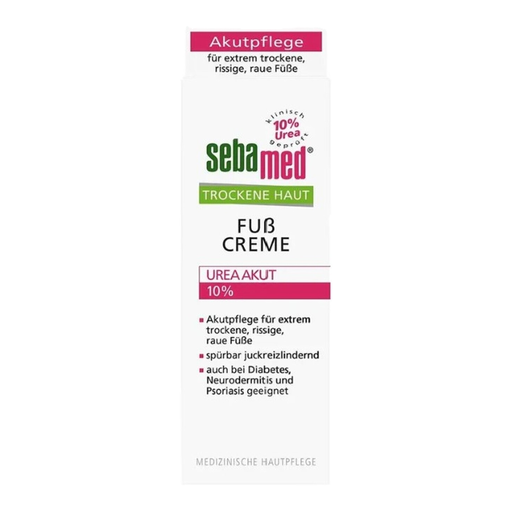
Why this product matches the profile: According to the product information, the formulation contains 10% urea, glycerine, panthenol and vitamin E. It is designed for very dry, rough and tight-feeling skin.
The information specifies both the urea content and that the formula is free from colourants, petroleum jelly, silicones and PEG compounds.
100 ml contents plus several moisture-binding and nourishing ingredients.
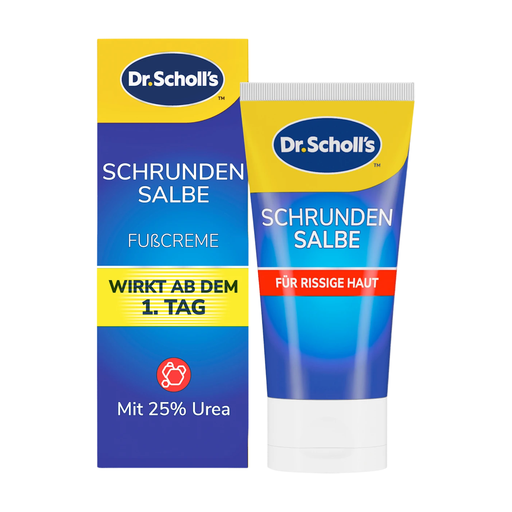
Why this product matches the profile: According to the product information, the balm contains 25% urea and has a fragrance-free gel-cream texture. It is aimed at people with very dry, heavily callused heels.
The clearly stated urea content and fragrance-free formulation make it easier to assess for targeted callus care.
25% urea according to the product information, a fragrance-free formulation and recommended use twice a day.
A foot mask can be used as an occasional additional treatment. It does not replace daily cream and should not be used on injured or irritated skin. If you are using a foot cream containing essential oils or fragrances and have sensitive skin, it is advisable to test it on a small area first.
We have put together a complete, regularly updated list of products that fully meet these strict selection criteria and the safety regulations applicable in the EU.
For normally dry skin, applying cream once in the evening is often sufficient. Very rough feet can be moisturised in the morning and evening, depending on the product instructions. The key is to apply it regularly to clean, dry skin.
Look for humectants such as urea and glycerine, as well as a richer texture. If cracks are open, painful or inflamed, seek medical advice first. Cosmetic creams are not suitable for every skin change.
The open-jar symbol on the packaging, such as “12M”, is the key reference. It indicates the recommended period of use after opening in months. Store the product in a dry, cool place away from direct sunlight.