Football fans keeping an eye on calories per serving
You’d like something sweet to enjoy during the match and want to decide how much in advance. Compare the kcal per bar and consider whether you plan to eat one or more.


If you’re mainly watching your calorie intake while watching football, compare the kcal for the amount you actually plan to eat – for individually wrapped bars, start with the kcal per bar. Protein content, low sugar or carbohydrate claims don’t answer this question; ingredients and information for the specific variety may also affect your choice.
You’d like something sweet to enjoy during the match and want to decide how much in advance. Compare the kcal per bar and consider whether you plan to eat one or more.
Protein or sugar content matters more to you than keeping your portion as small as possible. Check both alongside the kcal: a protein bar isn’t low in energy simply because of its name.
Allergens, may-contain warnings or sweeteners are key to your choice. Read the label for the specific variety, even if you already know another bar from the same brand.
First decide how much you want to snack on. Then compare the nutritional information and ingredients based on the criteria that matter most to you.
| Criterion | What to check when buying | Who it matters to |
|---|---|---|
| Calories per serving | Compare the kcal and weight per bar. If you’re having more than one, count the total amount you plan to eat. | If I want something sweet during the match, I want to be able to estimate the calories in the portion I’ll actually eat. For around 50% of shoppers, calories per serving come first. |
| Protein and sugar | Check the protein, sugar and kcal for the same portion; carbohydrate content is no substitute for comparing energy values. | For a sweet snack, protein or sugar content matters more to me than choosing the portion with the lowest kcal. Around 30% of shoppers prioritise protein or sugar. |
| Ingredients and information | Check the ingredients, allergen and may-contain information, and any consumption advice for the specific variety. | If certain ingredients aren’t suitable for me, I need to check the variety before sharing snacks during a match. For around 20% of shoppers, ingredients and dietary suitability come first. |
These claims describe different characteristics. Under EU Regulation (EC) No 1924/2006, ‘low energy’ may only be stated for solid foods containing no more than 40 kcal per 100 g.
Compare the kcal per 100 g and per planned serving. Use protein, sugar and carbohydrate information as additional guidance for the relevant criteria.
A 23.5 g bar and a 45 g bar are different-sized portions. When you’re watching football, how many bars you eat matters too.
Compare the energy content for the amount you plan to have during the match.
Ingredients, potential traces of allergens and information about sweeteners can vary between varieties. For some ALDI SPORTS bars, ALDI SÜD also warns of a possible laxative effect if consumed in excess.
Check the current packaging for the specific variety every time you buy it, and follow its consumption advice.
High protein content doesn’t tell you how many calories are in a serving, or whether protein is even the most important factor for your snack.
Choose based on what you actually need during the match and compare protein, sugar and energy for the same portion.
ALDI SÜD’s protein bar range includes High-Protein and Lower-Carb options, including 45 g bars.
REWE’s own-brand range includes protein bars, including 45 g varieties.
A protein bar brand; REWE describes the Chocolate Caramel variety as a 40 g bar.
A protein bar brand with various 45 g varieties available from German online retailers.
Cereal bars; REWE sells Chocolate & Almond in a pack of four bars, each weighing 23.5 g.
This selection includes a Nutrition Bar, a chocolate bar, wafer bars and cereal bars for a planned sweet snack while watching football. Pack sizes vary, so compare the kcal for the amount you actually plan to eat.
 Image unavailable
If you’re planning to have one bar as a serving, the stated 50 g size gives you a useful basis for comparison. Check the kcal per bar, along with the ingredients and allergen information on the pack; ‘Sugar Free’ in the name doesn’t tell you the calorie content.
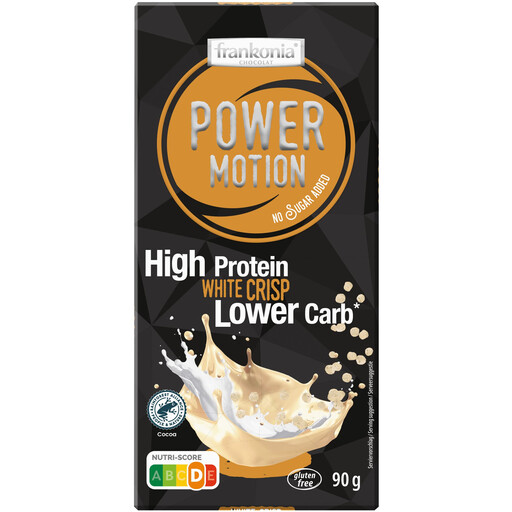 Image unavailable
If you only want to eat part of this chocolate bar, decide on your portion before the match. The product name gives the bar’s weight as 90 g; compare the kcal for the amount you choose, and don’t assume ‘No Sugar Added’ means it’s low in energy.
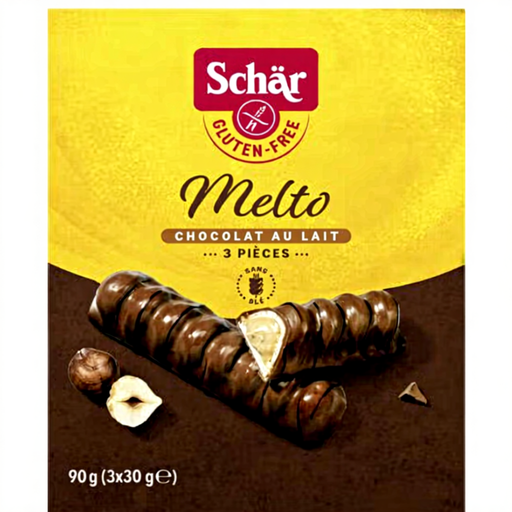 Image unavailable
If you prefer a wafer bar as a clearly defined portion, you can plan to have one of the three 30 g bars. Compare the kcal per bar and check the ingredients and allergen information on the specific pack.
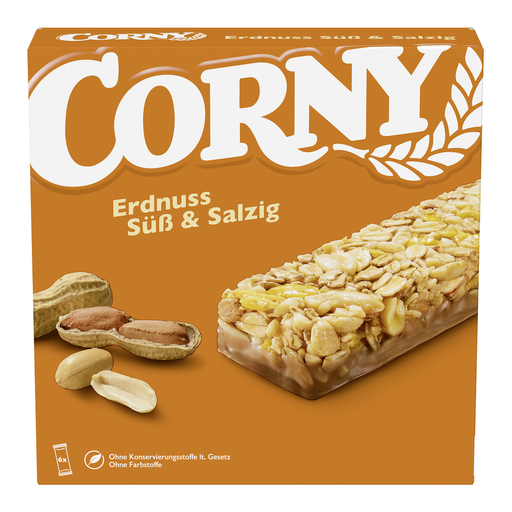 Image unavailable
If you’re planning to have a cereal bar as a single serving during the match, the stated 25 g per bar is relevant. The pack contains six bars; if you have more than one, allow for the kcal in the total amount you eat.
No, protein content doesn’t tell you that. Under EU Regulation (EC) No 1924/2006, the claim ‘low energy’ is limited to solid foods containing no more than 40 kcal per 100 g; also check the kcal per bar when choosing a snack.
The kcal per bar or planned serving is what matters for the amount you’ll actually eat. The figure per 100 g is also useful for comparing products of different sizes on the same weight basis.
No, the claim doesn’t describe the total energy content. Check the kcal information alongside sugar, fat and serving size in the nutritional information for the specific variety.
Check the ingredients, allergen and may-contain information for the specific variety of every protein bar. For some ALDI SPORTS varieties, ALDI SÜD also warns of a possible laxative effect if consumed in excess; check the information on the relevant pack.