
Lieferung heute & morgen

Qualitätsgarantie

Willkommens-Angebote freischalten: KOSTENLOSE Lieferung | Bis zu 80 % RABATT | Kostenlose 30-Tage-JoyPlus-Testphase
App herunterladen
Dry, rough or cracked feet don’t automatically need the richest cream you can find. What matters is whether the formula suits your skin, how you want to use it and any sensitivities you may have. So don’t choose a foot cream for dry and cracked feet based on the brand name, pack size or marketing claims alone.
Urea helps the skin retain water and can soften rough skin. A 10% urea foot cream is often a sensible choice for dry to very dry feet. However, applying it to irritated, damaged or freshly cracked skin may cause a stinging sensation. The percentage alone also says nothing about how well the formula as a whole will suit your skin.
Eucalyptus, tea tree or rosemary oil may be included in foot care products. However, “natural” doesn’t automatically mean a formula is suitable for sensitive skin. Fragrances and essential oils can also cause unwanted reactions if you’re prone to sensitivity. Always check the full ingredients list.
Even a rich cream for cracked heels may not do much if you apply it irregularly or to damp skin. Deep cracks, bleeding, signs of inflammation or persistent discomfort should be assessed by a medical professional. Take extra care if you have diabetes or circulation problems.
Ingredients such as glycerin, urea and sodium lactate are relevant in moisturising foot care. Glycerin helps the outer layer of skin retain water. Urea is used in different concentrations:
Apply foot cream for hard skin directly to hardened areas. A thick layer of cream that keeps the skin damp between the toes is usually best avoided.
Shea butter, plant oils, dimethicone and certain lipids can care for the skin’s surface and help reduce water loss. A repairing foot cream shouldn’t be confused with a medicine: cosmetic care can support the skin barrier, but it doesn’t treat a diagnosed skin condition.
For very sensitive skin, formulas without perfume or colourants and with as few potential fragrance allergens as possible can be a useful guide. If you have eczema or another skin condition, ask a doctor or pharmacist for advice tailored to you.
Packs of 75 to 100 ml are suitable for targeted care of your heels and feet. Larger tubs may be more economical for daily use, but you’ll need to remove the cream hygienically. Also check for:
After applying the cream, cotton socks can help keep it on your skin for longer. Foot care products can make the soles of your feet slippery, so wait until the cream has absorbed sufficiently before walking.
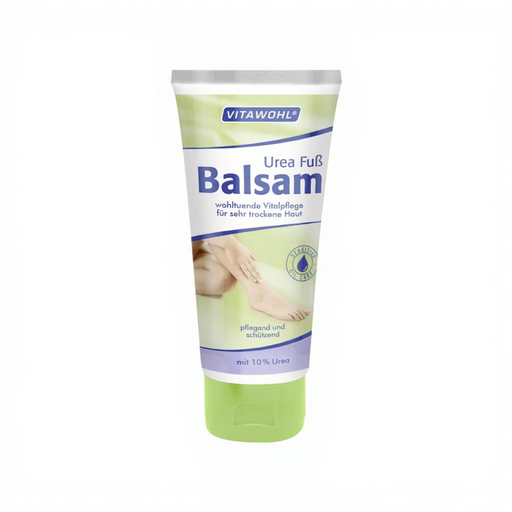
Why it suits this profile: This 75 ml foot balm is clearly formulated with 10% urea for everyday care of dry feet. You can apply it directly to your heels and soles.
The stated concentration makes it easier to compare with foot balms whose claims are less clear. The product information recommends applying it to clean, dry feet.
10% urea, according to the product name; 75 ml; designed for use as needed.
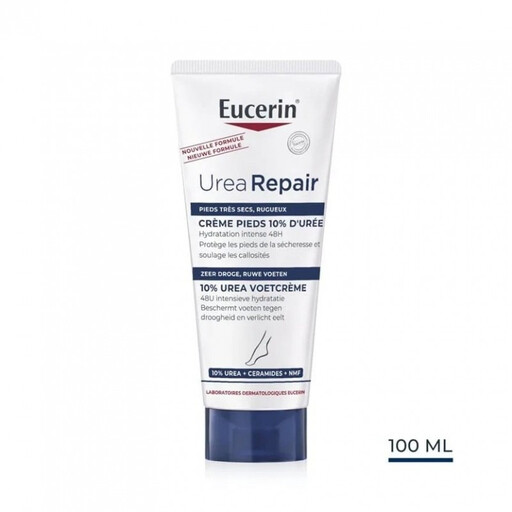
Why it suits this profile: The formula lists 10% urea, ceramides and other components of the skin’s natural moisturising system. This makes it a good fit for a structured care routine for dry to very dry feet.
This pick is based on specific listed ingredients, rather than vague claims such as “intensive” or “instant”.
100 ml; 10% urea according to the product information; ceramides and other lipid and moisturising components.
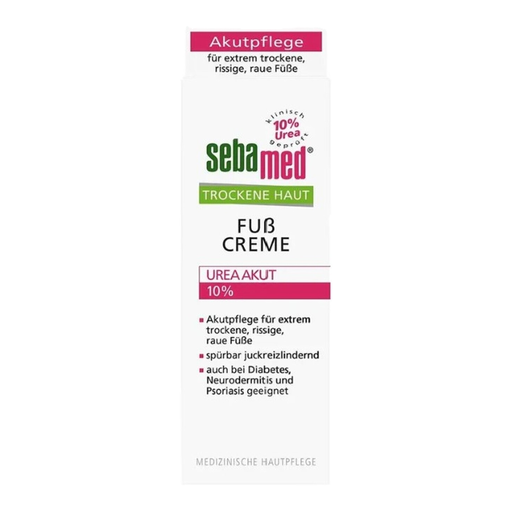
Why it suits this profile: The product information mentions dry, rough and cracked skin, as well as increased care needs, including for people with diabetes, eczema and psoriasis. Even so, the right choice in these situations should be tailored to the individual.
Its guidance on use and specific skin conditions is clearer than a blanket claim that it’s suitable for everyone. Do not use it on open wounds.
10% urea; panthenol and vitamin E according to the product description; 100 ml.
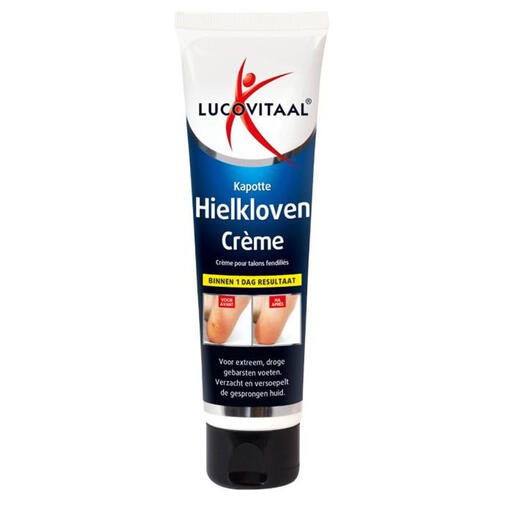
Why it suits this profile: The product information describes a formula without perfume or parabens, with sunflower oil and bisabolol. This may appeal if you’re looking to avoid fragrance.
“Fragrance-free” is a verifiable product feature. However, it does contain essential oils, which may be worth bearing in mind if you have sensitive skin.
75 ml; perfume- and paraben-free according to the product description; contains sunflower oil and bisabolol.
We’ve put together a complete, regularly updated list of products that meet these strict selection criteria and fully comply with the safety regulations in force in the EU.
A urea-based hard skin cream can help care for hardened skin. If you have diabetes, reduced sensation or circulation problems, avoid filing or aggressively removing hard skin yourself.
Formulas containing urea, glycerin, emollient oils or lipids may be suitable for dry to very dry feet. A 10% urea foot cream is a popular option for rough heels. The full ingredients list, how well your skin tolerates the product and its directions for use are all important.
Check the period-after-opening symbol and the best-before or expiry date on the packaging. Close the tube or tub after each use and store the product in a cool, dry place. If its smell, colour or consistency changes, stop using it.
No. Diabetes can affect sensation and wound healing. Don’t apply cream to open or bleeding areas, and check the manufacturer’s specific guidance. If you’re unsure about foot care for people with diabetes, discuss your choice with a doctor or pharmacist.