
Lieferung heute & morgen

Qualitätsgarantie

Willkommens-Angebote freischalten: KOSTENLOSE Lieferung | Bis zu 80 % RABATT | Kostenlose 30-Tage-JoyPlus-Testphase
App herunterladen
Dry, rough or cracked feet are often caused by a weakened skin barrier, dry indoor air, standing for long periods or unsuitable footwear. The heels in particular can become very hard and feel uncomfortably tight without proper care. A suitable foot cream for dry and cracked feet should therefore do more than create a soft skin feel in the short term. It should also suit your individual skin needs and daily routine.
Oils and waxes can smooth the surface of the skin. However, this does not automatically mean that the formula binds enough moisture. For very dry feet, ingredients such as urea, glycerine, panthenol or natural moisturising factors are useful points of reference.
A foot cream with urea can be a sensible option for very dry or hardened skin. Concentrations of 10% are often recommended for intensive daily foot care. Higher concentrations, such as 25%, are more suitable for particularly thickened areas. If the skin is irritated, damaged or weeping, stop using the product initially and seek professional advice.
A fast-absorbing foot cream is practical when you want to put on socks or shoes straight afterwards. However, you should also check the fragrance ingredients, recommended use and warnings. For sensitive skin, a fragrance-free formula may fit better into your skincare routine.
10% urea is a commonly chosen concentration for dry to very dry feet. This ingredient supports moisture retention in the outermost layer of the skin. Glycerine, Sodium Lactate, Sodium PCA and other components of the skin’s natural moisturising system can complement this function.
For a cream for cracked heels, it is also useful to choose a formula that protects the skin’s surface. Depending on the formulation, ceramides, dimethicone or nourishing lipids may help reduce moisture loss at the surface. Actual skin compatibility depends on the individual.
Apply the cream to clean, dry feet. You will generally need less product between the toes, as moisture can collect there.
If you have diabetes, circulation problems, neuropathy or noticeably altered skin, do not choose products based solely on advertising claims. A foot cream for people with diabetes is not a substitute for medical foot checks. If you have open, bleeding, inflamed or painful cracks, it is advisable to consult a doctor or podiatrist. If you have psoriasis or atopic dermatitis, you should also discuss product compatibility with your treating healthcare professional.
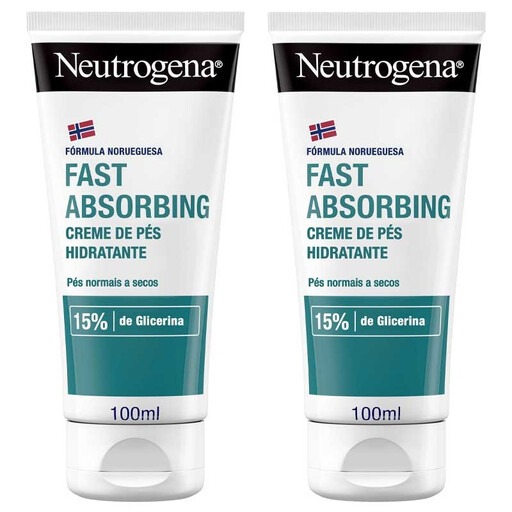
Why this product suits this profile: The twin pack is ideal for a regular care routine at home or as a useful reserve. Its lightweight texture is designed for quick, convenient everyday use.
The product details describe a fast-absorbing texture and also state that it contains perfume. This makes it easier to assess whether it is suitable for everyday use.
2 × 100 ml, glycerine and panthenol; according to the product description, intended for the daily care of dry feet.
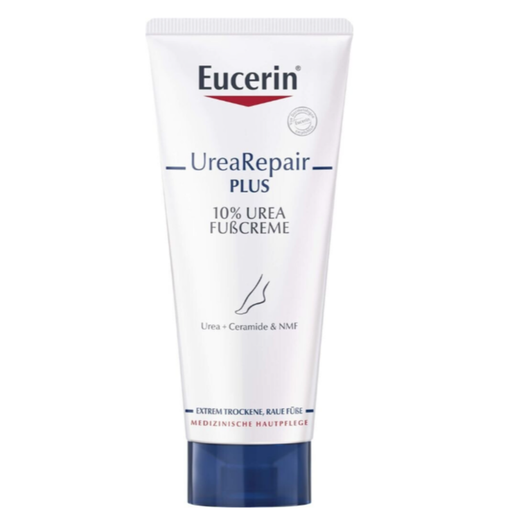
Why this product suits this profile: The combination of 10% urea, ceramides and natural moisturising factors is designed for dry, rough and cracked feet. The cream can be used in the morning and evening.
The stated urea content and additional moisturising ingredients make the formula easier to assess than a purely promotional “repair” claim.
10% urea, ceramides and NMFs; according to the product details, non-greasy and fast-absorbing.
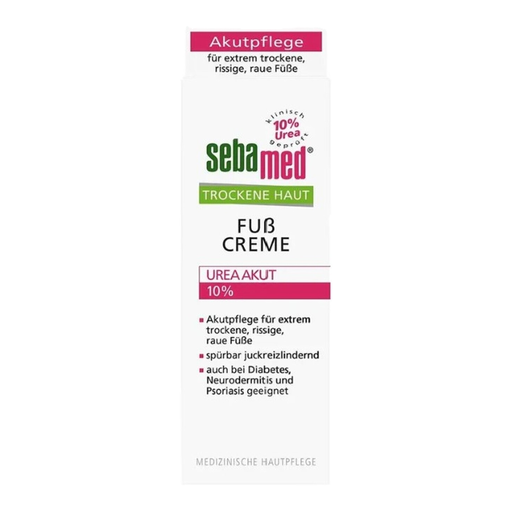
Why this product suits this profile: According to the manufacturer, this product is intended for very dry skin and for foot care for people with diabetes, atopic dermatitis and psoriasis. Even in these particular situations, product selection should be supported by medical advice.
The product description clearly states important exclusions and usage instructions. This makes it easier to make a cautious choice for sensitive or particularly dry skin.
10% urea, panthenol and vitamin E; according to the product details, free from colourants, petroleum jelly, silicones and PEG compounds.
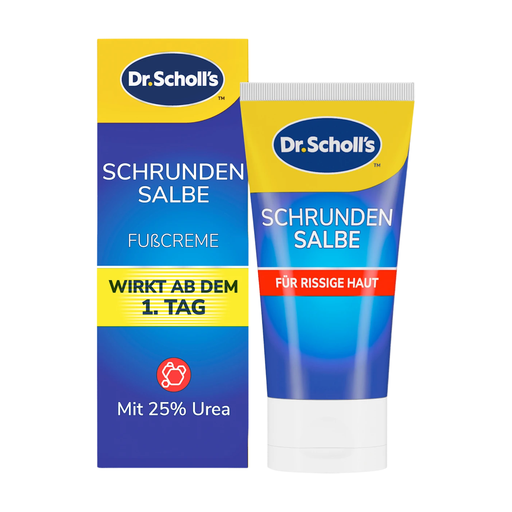
Why this product suits this profile: According to the product description, the formula with 25% urea is designed for very dry, heavily thickened areas and cracked heels. It is intended for targeted application to affected areas.
The high urea concentration is clearly stated. At the same time, the instructions advise against using the product on open, bleeding or infected cracks.
25% urea, keratin and a fragrance-free gel cream texture; prior consultation is recommended for diabetes or circulation problems.
We have put together a complete, regularly updated list of products that fully meet these strict selection criteria and the safety regulations applicable in the EU.
Hard skin should not be removed aggressively with blades. A gentle foot bath and careful filing can form part of your routine, provided there are no injuries, circulation problems or other restrictions.
For very dry heels, formulas containing 10% urea and additional moisturising ingredients may be suitable. Products with a higher urea content can be used specifically on areas of thick hard skin. However, open or inflamed cracks should not be treated independently with a hard-skin cream.
Morning and evening are usual times for daily foot care. With a light, fast-absorbing foot cream, it is also possible to apply it during the day. The key is to maintain a regular routine on clean, dry skin.
The stated best-before date and the symbol indicating the period of use after opening are the decisive factors. You should monitor the texture, smell and colour. If there are noticeable changes or irritation, stop using the product.