
Lieferung heute & morgen

Qualitätsgarantie

Willkommens-Angebote freischalten: KOSTENLOSE Lieferung | Bis zu 80 % RABATT | Kostenlose 30-Tage-JoyPlus-Testphase
App herunterladen
Dry feet are often caused by low humidity, standing for long periods, unsuitable footwear or natural changes to the skin barrier. The skin can become thicker, particularly around the heels, and turn rough or cracked without adequate care. The right foot cream for dry feet should therefore not only have a pleasant fragrance, but also suit your skin’s condition, the ingredients and how you plan to use it.
Terms such as “intensive foot care” or “deep care” are not reliable selection criteria on their own. Specific ingredients and concentrations are more informative. Depending on the formulation, urea, glycerine, panthenol, ceramides or natural oils can serve different skincare functions. With a foot cream with urea, the stated concentration is therefore more important than a general care claim.
A foot cream for hard skin is not automatically suitable for every cracked heel. Hard-skin balms often contain urea or acids that can help soften hardened skin. However, open, irritated or injured areas require different considerations. Products should not be applied to damaged skin if the packaging advises against it.
A quick-absorbing foot cream is practical for everyday use, especially before putting on socks or shoes. A richer texture, on the other hand, may feel more comfortable on very dry heels, but takes longer to absorb. The key question is whether you can use it regularly as part of your daily routine. A less greasy foot-care cream used every day may be more practical than a very rich product that is only used occasionally.
Urea helps the skin retain water and is often used in creams for dry, rough skin. Lower concentrations are typically suitable for daily moisturising. Higher concentrations are often offered for more heavily callused skin. Suitability depends on your individual skin condition and the instructions for the specific product.
If you are looking for a foot cream for dry and cracked skin, you should also look for additional ingredients:
Parfum, limonene, linalool or essential oils such as eucalyptus, tea tree or rosemary oil can affect the fragrance experience. If you have sensitive skin, it is worth checking the full INCI list. A fragrance-free formulation may appeal to anyone wishing to avoid fragrances. If you have a known intolerance, stop using the product immediately if irritation occurs.
75 or 100 ml tubes are commonly available for daily care. A 2×100-ml pack can be practical for regular use. Apply the cream to clean, dry feet, paying particular attention to the heels and soles. Between the toes, use only as much product as stated in the instructions, as this area can become moist.
If you have diabetes, circulatory problems, atopic dermatitis or psoriasis, product selection should be discussed with a medical professional if you require more intensive care. Product information is not a substitute for individual medical advice.
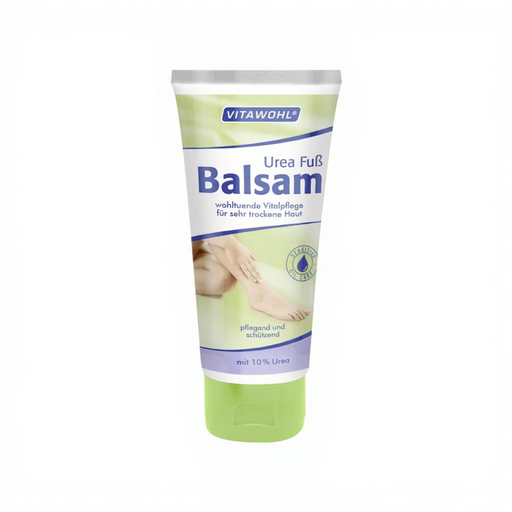
Why this product suits this profile: Its stated urea concentration and handy 75-ml size make this balm an appealing option for straightforward daily foot care.
The product name specifies 10% urea rather than making an undefined intensive-care claim. This makes it easier to compare the product with your own skincare needs.
75 ml contents, application to clean and dry feet, and a clearly stated urea formulation.
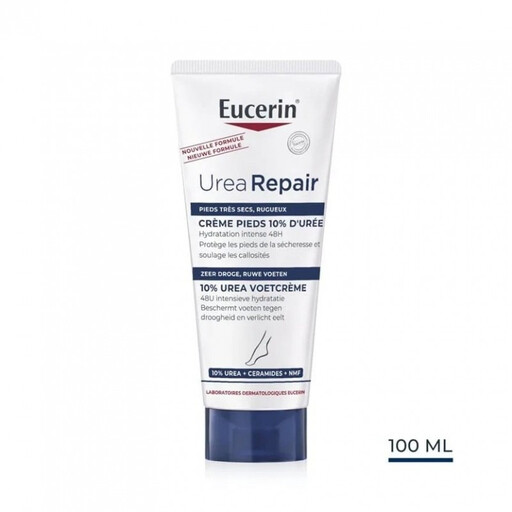
Why this product suits this profile: According to the product information, the formulation combines 10% urea with Ceramide NP, Sodium Lactate and other humectants for dry to very dry feet.
Rather than simply describing the product as “rich”, the product information lists specific ingredients and a defined urea concentration.
100 ml contents, Ceramide NP in the INCI list, and recommended use in the morning and evening.
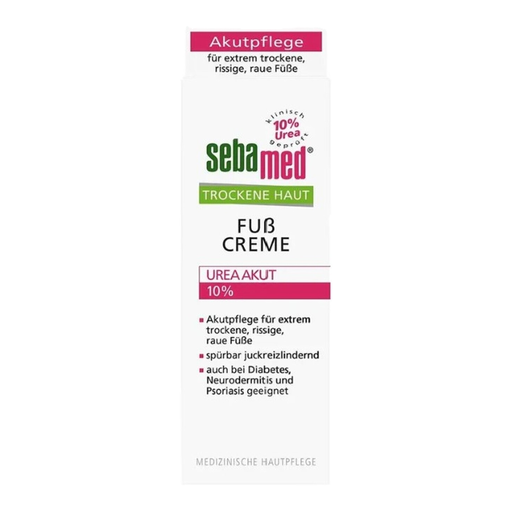
Why this product suits this profile: According to the product information, this cream is intended for extremely dry, rough and tight-feeling skin. It is also mentioned for foot care for diabetes, atopic dermatitis and psoriasis; for these uses, consulting a medical professional is advisable.
The description specifies 10% urea, panthenol and the restriction for babies and young children. This makes key selection and safety information immediately clear.
100 ml contents, urea and panthenol in the stated formulation, plus instructions for applying to clean skin.
We have put together a complete, regularly updated list of products that fully meet these strict selection criteria and the safety regulations applicable in the EU.
A cream alone cannot replace suitable footwear. Well-fitting shoes, breathable socks and avoiding persistently damp skin can provide useful support for your daily care routine.
For very dry heels, formulations containing 10% urea, glycerine, lipids or ceramides are often worth considering. According to the product information, Eucerin UreaRepair PLUS and Sebamed Foot Cream contain 10% urea. If you have open or inflamed areas, check the packaging instructions and seek medical advice if necessary.
Most products are intended for use once or twice a day. Regular application to clean, dry skin is the most important factor. A quick-absorbing foot cream can be practical in the morning, while richer products are often better suited to evening use.
The best-before date and the open-jar symbol indicating the product’s period after opening on the packaging are the relevant guides. If the smell, colour or consistency changes, stop using the product. Close the tube securely after every use and store it according to the storage instructions.