
Lieferung heute & morgen

Qualitätsgarantie

Willkommens-Angebote freischalten: KOSTENLOSE Lieferung | Bis zu 80 % RABATT | Kostenlose 30-Tage-JoyPlus-Testphase
App herunterladen
An ergonomic office chair with a footrest promises comfort during long workdays, whether at home or in the office. However, the market is saturated with models whose real-world performance only becomes apparent after weeks or months of use. Many buyers find that advertised features are disappointing in daily practice. Before you make a decision, it's crucial to understand the typical weaknesses often hidden behind appealing product images.
As your Joybuy Product Recommendation Officer, I'll help you identify the critical features and separate marketing hype from solid facts. This guide focuses on the three most common design flaws that can lead to a bad purchase.
Investing in a new chair should improve your posture and provide relief. Pay attention to these three points to ensure your new piece of furniture delivers on that promise.
To avoid a bad purchase, you should focus on verifiable technical specifications. These three parameters are crucial for the longevity and actual utility of your chair.
The footrest's construction is paramount. For integrated, retractable models, you should pay close attention to the guide rails and the frame. Metal constructions are generally more durable and stable than those made purely of plastic. Check the specified maximum load capacity of the footrest if the manufacturer provides this information. An alternative is a separate chair with an office footrest, meaning the combination of an ergonomic chair with an external footstool. This solution often offers greater stability and more flexible positioning.
A truly ergonomic home office chair offers more than just adjustable seat height. The following adjustments are crucial for long periods of sitting:
The overall stability of a chair depends on the quality of its components. Pay attention to the class of the gas lift cylinder. Class 4 is considered the industry standard for high load capacity and durability. Also, check the manufacturer's specified maximum weight capacity. Certifications like BIFMA or SGS can be an additional indicator of the tested safety and durability of components, as often found in a high-quality executive chair with a footrest.
Here are some models tailored to specific user profiles and their requirements.
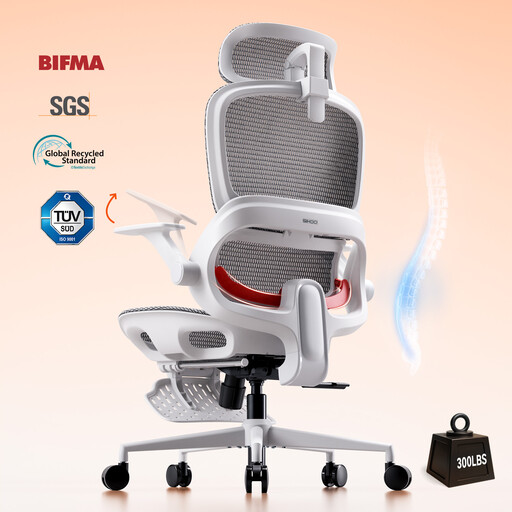
Why This Fits Their Persona: Ideal for users seeking a functional and understated chair for the home office. The design is professional, and the flip-up armrests create more desk space when needed.
The adaptive lumbar support and mesh back address the pitfalls of "false ergonomics" and poor seating climate. The SIHOO brand is also known for its solid underlying construction.
Key Advantage: Adaptive lumbar support and flip-up armrests for high flexibility. Breathable mesh back for comfort during long sitting periods.
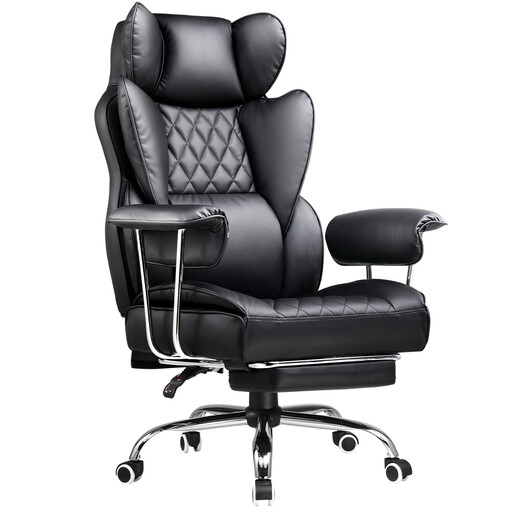
Why This Fits Their Persona: This chair caters to the classic aesthetics of a gaming setup. It's designed for long sessions and, with its high backrest and reclining function, provides the necessary support for intense gaming phases and relaxing breaks.
As an established brand in the gaming segment, GTPLAYER focuses on a robust build that can withstand the dynamic stresses of gaming. The footrest is designed for typical use as a "recliner."
Key Advantage: High backrest and a deep recline function for a relaxed lounging position. Includes lumbar and headrest pillows for targeted support.
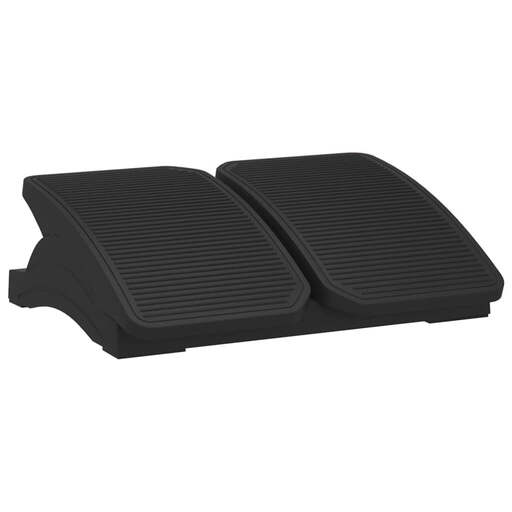
Why This Fits Their Persona: For users who already own a good office chair but want to complete the ergonomic chain with a footrest. A cost-effective solution for improving posture without buying a whole new chair.
This product completely bypasses the problem of unstable integrated footrests. As a separate, floor-standing unit, it provides a solid and reliable support surface for the feet.
Key Advantage: High stability and flexible positioning. Height-adjustable and equipped with a non-slip surface for a secure grip.
We have compiled a complete, up-to-date list of products that fully meet these strict selection criteria and relevant safety standards.
1. How stable is an integrated footrest, really? Stability varies greatly depending on the model and price range. Pay attention to the manufacturer's specifications for the material of the pull-out mechanism—metal is preferable to plastic here. For individuals who require maximum stability or plan to use the footrest frequently, a separate, floor-standing ergonomic footstool can be a more reliable alternative.
2. Is a gaming chair with a footrest also suitable for office work? Yes, many gaming chairs offer ergonomic adjustments comparable to an office chair for long hours of sitting. The main difference often lies in the aesthetics and design. Gaming chairs frequently have pronounced side bolsters on the seat and backrest (a racing-seat design), which some users might find restrictive. The decision ultimately depends on personal preference and the work environment.
3. Which material is recommended—mesh or synthetic leather? Both materials have their pros and cons. Mesh is very breathable and promotes good air circulation, which is particularly advantageous in warmer environments or for people who tend to sweat. Synthetic leather (PU) often looks more premium and is very easy to clean, as it can simply be wiped down. However, it is less breathable. The choice should be based on personal comfort preferences and the climatic conditions of the room.