
Lieferung heute & morgen

Qualitätsgarantie

Willkommens-Angebote freischalten: KOSTENLOSE Lieferung | Bis zu 80 % RABATT | Kostenlose 30-Tage-JoyPlus-Testphase
App herunterladen
Long days at a desk, whether in a corporate office or at home, often lead to tension and discomfort. An ergonomic office chair with a footrest promises relief, but not every model delivers on its advertising promises. Many users invest in a supposedly comfortable chair, only to find that the footrest is unstable or the ergonomic benefits are non-existent.
As a Joybuy Product Recommendation Officer, I analyse the market to help you avoid common purchasing pitfalls. This guide will show you what to look for to make an informed decision and find a solution that genuinely improves your workday.
Before you make a purchase, you should be aware of the most common flaws, which often only become apparent after a few weeks of use.
To avoid these pitfalls, you should carefully examine three core aspects. These determine whether a home office chair is ergonomic and can contribute to long-term relief from issues like back pain.
The construction of the footrest is critical. Pay close attention to the materials used and the mechanism.
A footrest alone does not create an ergonomic workspace. The interaction with the chair is crucial.
The materials influence both durability and comfort.
Based on the criteria mentioned, we have identified products suitable for different user profiles and budgets.
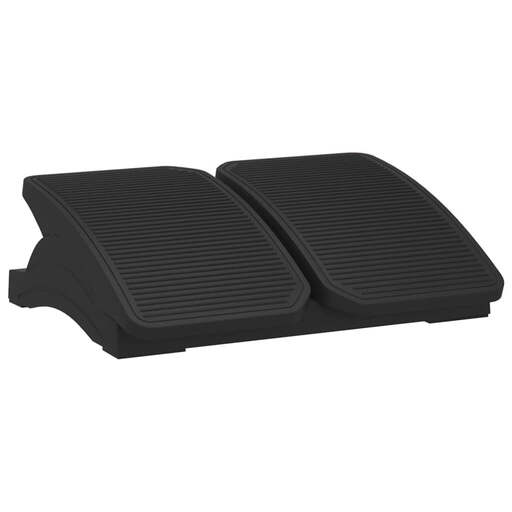
Why This Fits Their Persona: A separate footrest is the most cost-effective way to ergonomically upgrade an existing workspace without having to buy a new chair immediately. It's ideal for students or professionals on a limited budget.
As a standalone, stable unit, it bypasses the problem of wobbly, integrated supports. The two-level height adjustment counteracts the "one-size-fits-all" problem and allows for basic customisation.
Made from robust HIPS (High-Impact Polystyrene) material with a textured, non-slip surface for a secure footing. Lightweight and portable.
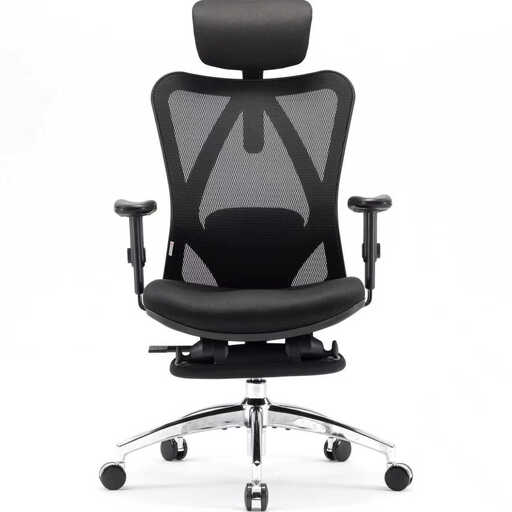
Why This Fits Their Persona: Anyone who spends many hours at their desk every day needs an all-in-one solution. This chair combines an integrated footrest with comprehensive ergonomic adjustments for long, focused work sessions.
The footrest is part of a well-thought-out overall ergonomic concept. With five areas of adjustment (backrest, headrest, seat height, tilt, armrests), it consistently avoids the trap of poor customisation.
The breathable mesh backrest promotes air circulation and prevents heat buildup. The W-shaped seat with a waterfall edge reduces pressure on the thighs.
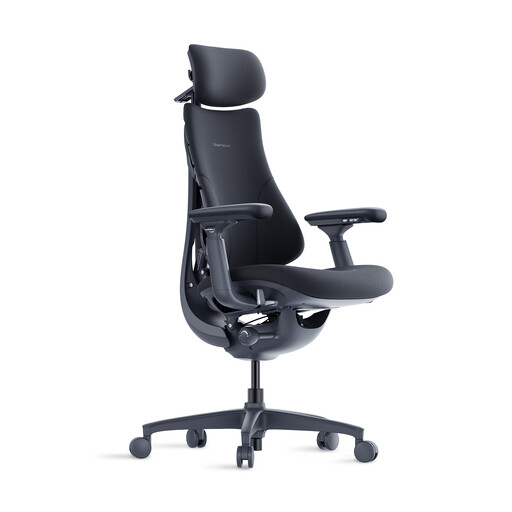
Why This Fits Their Persona: For users who are not just looking for ergonomic support but also value advanced comfort features for relaxation breaks. This chair is designed for use that goes beyond just work.
The robust construction and advanced features like integrated spinal decompression show that the footrest is a central, well-designed component of the design, not just an unstable accessory.
A large recline angle of up to 160° allows for a near-flat position. The adaptive lumbar support and spinal decompression feature offer active relief during work breaks.
We have compiled a complete, up-to-date list of products that fully meet these strict selection criteria and all applicable safety regulations.
The ideal setting is achieved when your feet rest flat on the support and your knees are bent at approximately a 90-degree angle. Your thighs should be parallel to the floor or slope slightly downwards. This relieves pressure on the lower back and promotes blood circulation in the legs.
Both options have their merits. An integrated footrest is ideal for an all-in-one solution where all components are coordinated. It is particularly well-suited for chairs with a deep recline function for relaxation. A separate footrest offers more flexibility, as it can be combined with any chair and positioned exactly as needed. It is an excellent choice for upgrading an existing workspace cost-effectively.
The lifespan depends heavily on the quality of the mesh fabric and the frame construction. High-quality models with a dense, high-tension mesh and a sturdy frame can last 5 to 10 years with normal use and care. Cheaper models may start to lose tension after just 1-2 years. Look for information on material quality and certifications like BIFMA, which set standards for durability and safety.