
Lieferung heute & morgen

Qualitätsgarantie

Willkommens-Angebote freischalten: KOSTENLOSE Lieferung | Bis zu 80 % RABATT | Kostenlose 30-Tage-JoyPlus-Testphase
App herunterladen
Choosing a car seat is one of the most critical safety decisions a parent can make. However, the market is overwhelming and filled with marketing promises that often create more confusion than clarity. Many well-intentioned purchases prove to be impractical, unsafe, or a poor financial decision in daily use. Before you make a choice, it's crucial to understand the most common pitfalls.
A common misconception is that a single "all-in-one" car seat is the perfect solution from birth to age twelve. While such models may seem economical, they often compromise on fit and safety at different age stages, especially for newborns. Another mistake is focusing solely on test results, like the ADAC car seat test, without checking compatibility with your own vehicle and its everyday usability. A highly-rated seat that is complicated to install carries a high risk of user error and is therefore not safe in an emergency.
To make an informed decision, you should focus on objective criteria that go beyond marketing messages. Three technical aspects are of central importance.
The most current and stringent approval standard for car seats is UN R129, better known as i-Size. Unlike the older ECE R44 standard, which is based on the child's weight, i-Size classifies seats by height. This allows for a more precise fit. Key advantages of the i-Size standard include:
The method of installation in the car is a critical safety factor.
Car seats are divided into different groups tailored to a child's developmental stages:
A multi-stage car seat that covers several groups can be a practical solution, as long as it ensures an optimal fit and safety in every configuration.
Instead of making a one-size-fits-all recommendation, we have selected models that meet the specific needs of families and purposefully avoid the pitfalls mentioned earlier.

Why it's a great fit: Ideal for parents who want no compromises on safety and comfort right from birth. The 360° rotation makes daily entry and exit effortless and saves your back.
This model specialises in the critical 0-4 year stage, avoiding the fit compromises of a 12-year seat. The i-Size standard and integrated side-impact protection address the highest safety requirements.
The 360° rotation feature and simple ISOFIX installation with a support leg minimise user error and maximise everyday convenience.
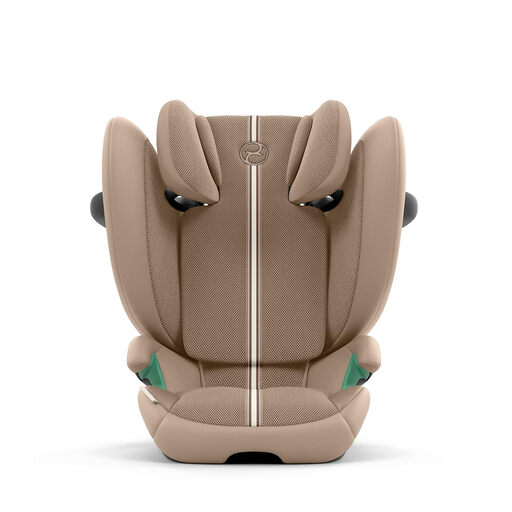
Why it's a great fit: Perfect for families who frequently need to switch the seat between different vehicles. Its low weight and folding mechanism make transport straightforward.
This model solves the problem of bulky, hard-to-handle seats. Instead of being a compromise for all age groups, it is a specialised booster seat (100-150 cm) designed for mobility and ease of use.
The compact folding mechanism and practical carrying handle allow for quick and easy transfers between cars, which is crucial for urban life or travel.
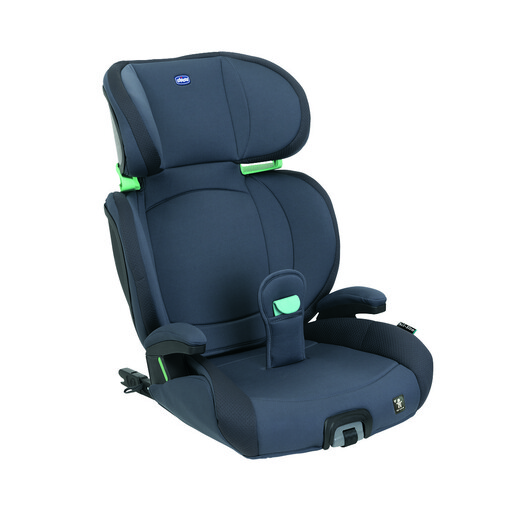
Why it's a great fit: A solid and safe i-Size solution for the final stage of car seat requirements (100-150 cm), offering excellent value for money without skimping on safety standards.
This model is a dedicated high-back booster, offering better belt routing and fit for older children than many multi-stage seats. It meets the i-Size standard, making it a future-proof choice.
The combination of i-Size approval, simple installation, and an adjustable backrest provides a high level of safety and comfort at an accessible price point.
The functionality of a car seat can be enhanced with practical accessories. A DOOKY Back Seat Organizer keeps toys and snacks within reach, while hauck Strap Pads prevent the belts from digging in. For the cold season, a Zamboo Universal Footmuff is a valuable addition to keep your child warm.
We have compiled a complete, up-to-date list of products that fully meet these strict selection criteria and current safety regulations.
According to the i-Size (UN R129) standard, rear-facing travel is legally required until at least 15 months of age and a height of 76 cm. However, safety experts recommend keeping children in a rear-facing seat for as long as possible, ideally up to the age of four, as this provides significantly better protection for the cervical spine in an accident.
Not necessarily. Although ISOFIX is a standardised system, there can be vehicle-specific differences, such as the angle of the back seat or the position of the anchor points. Therefore, always check the car seat manufacturer's vehicle compatibility list. You can find this on the brand's website. This ensures that the seat not only fits but can also be installed safely.
The switch should be made when your child's head reaches the top edge of the infant carrier, or when the maximum permitted weight or height is exceeded. Switching too early is not advisable, as infant carriers provide the safest mode of transport for babies. Always follow the manufacturer's specifications.