What should you look for when buying?
When checking for possible duplicate records, your screen should make direct comparisons easier, but it shouldn’t replace checking object identifiers and provenance details. GBIF describes similar records with matching details, while Collections Trust highlights unique numbers as a way to link objects with information.
| Consideration |
What to check before buying |
Who is it most relevant to? |
| View two records at once |
Compare window layout, aspect ratio, resolution and the desk space required. |
If I want to check two records side by side, I need room to see their details without assuming they refer to the same object just because the entries look similar. Around 36% of consumers prioritise comparing records side by side. |
| Check small details and object photos |
Try viewing actual photos and tables with scaling that keeps the text easy to read. |
When I’m looking at fine labels or details in fossil photos, a readable display matters more to me than having as much horizontal space as possible. Around 29% of consumers make checking photos and details their main priority. |
| Position the screen comfortably |
Check the height and tilt adjustments, and how much room the stand takes up on your desk. |
If I spend long periods cataloguing, I want to be able to position the screen to suit my workspace. Around 21% of consumers prioritise an adjustable, easy-to-read setup. |
| Connect a laptop and work devices |
Check the video inputs, peripherals you need and charging power against your laptop’s specifications. |
If I want to connect a laptop and work devices, the available connections and charging power need to suit my computer. Around 14% of consumers consider laptop docking their top priority. |
Joybuy monitors for catalogue work
The models below cover 27-inch 4K and QHD displays, widescreen formats, and connections for laptops and work devices.
 No image available
MSI PRO MP273UPDE E6
For checking small image and catalogue details, this model offers a 27-inch screen and 3.840 × 2.160 pixels.
IPS; matte finish; 60 Hz; height adjustment, tilt, swivel and pivot.
View at Joybuy
 No image available
INNOCN CB27U1
For viewing fine image details, this model offers a 27-inch screen, 3.840 × 2.160 pixels and an IPS display.
120 Hz; USB-C with 90 W Power Delivery; PIP and PBP functions; 150 mm height adjustment, plus tilt, swivel and pivot.
View at Joybuy
 No image available
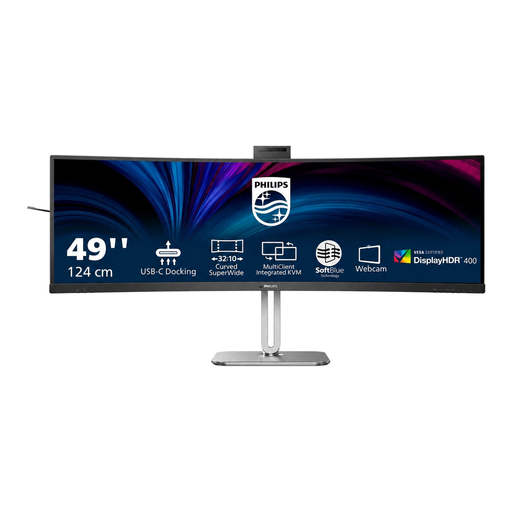
Philips 49B2U6900CH
If you need space for several catalogue views side by side, this model offers a 32:9 format with 5.120 × 1.440 pixels.
49 inches; VA display; USB-C docking station with 100 W; height-adjustable stand. The stated resolution isn’t 4K.
View at Joybuy
 No image available
Philips 276B9
For catalogue work with a laptop, this model offers a 27-inch screen, QHD resolution and IPS.
2.560 × 1.440 pixels; USB-C with up to 65 W Power Delivery; USB hub; height adjustment, tilt, swivel and pivot. QHD has fewer pixels than 4K.
View at Joybuy
 No image available
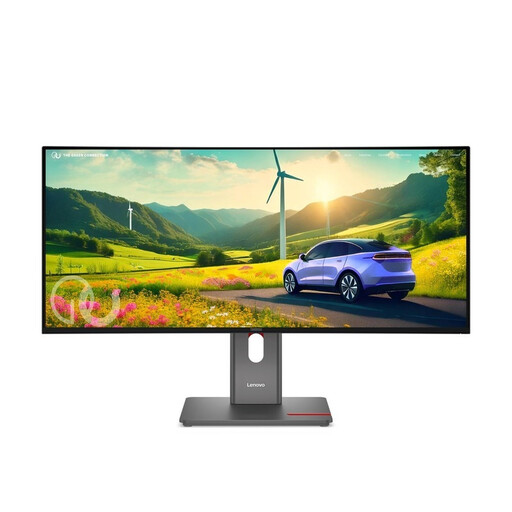
Lenovo ThinkVision P34WD-40
For displaying two catalogue records side by side, this model offers a 34-inch screen, 21:9 format and 3.440 × 1.440 pixels.
IPS display; 120 Hz; curved design; USB-C docking with up to 140 W; height adjustment, tilt and swivel. The resolution isn’t 4K.
View at Joybuy
Frequently asked questions
Can a monitor identify duplicate fossil records?
No. A monitor displays records, but it can’t tell whether entries relate to the same object. Check identifiers and other provenance details: Collections Trust highlights unique numbers for linking objects with information, while GBIF also describes records that match on certain details.
How should I set up my screen for long periods of catalogue work?
Choose a display setting that’s easy for you to read, and use the height and tilt adjustments available on your specific model. The ASR A6 from the Federal Institute for Occupational Safety and Health applies to the workplaces and teleworking spaces it specifies; it doesn’t create a blanket requirement for private use.
Will every USB-C monitor provide enough power for my laptop?
No. Manufacturer specifications, for example, list 15 W for the LG 27U631A-B and 96 W for the ASUS PA279CRV. Check the connections and charging power your laptop needs against the specifications for the specific monitor.
What should I consider when it comes to electricity costs and consumer rights?
To compare electricity costs, you’ll need the specifications for the specific monitor, as well as your usage time and electricity tariff. The European Commission’s energy label can help you compare the displays it covers. According to Your Europe, when you buy as a consumer in the EU, you’re entitled to a minimum two-year legal guarantee from the seller; an additional manufacturer’s guarantee doesn’t replace it.
Do Germany’s screen-work rules apply to everyone who collects fossils at home?
No. The ASR A6 from the Federal Institute for Occupational Safety and Health sets out its scope for workplaces and teleworking spaces, and excludes private use outside such teleworking spaces.


