
Lieferung heute & morgen

Qualitätsgarantie

Willkommens-Angebote freischalten: KOSTENLOSE Lieferung | Bis zu 80 % RABATT | Kostenlose 30-Tage-JoyPlus-Testphase
App herunterladen
As a Joybuy Product Recommendation Specialist, my role is to sift through market information and provide you with practical shopping guidance. If you're looking for authentic foul medammes, you want a product that honours traditional recipes and is effortless to prepare. This guide is designed to help you make the right choice by explaining the differences between varieties and presenting a selection of products based on objective criteria.
Choosing the right foul medammes depends on your personal preferences and desired flavour profile. The following points can help you with your selection.
Foul medammes is a staple food in many countries across the Middle East and North Africa, yet preparation methods vary.
Syrian-style foul is also often prepared with whole beans. It sometimes includes chickpeas and is seasoned more robustly with spices like cumin.Canned foul provides a convenient base for a quick and nutritious meal. A glance at the label provides important information.
Canned foul is ready to eat, but it only develops its full flavour with the right preparation. Gently heat the contents in a pot. You can then refine it to your taste: a generous drizzle of high-quality olive oil, freshly squeezed lemon juice, chopped garlic, and a pinch of cumin are the classic additions. It is traditionally served with fresh parsley, diced tomatoes, onions, and warm flatbread.
Based on the criteria above, we have compiled a selection of foul medammes products that cater to different regional preferences.
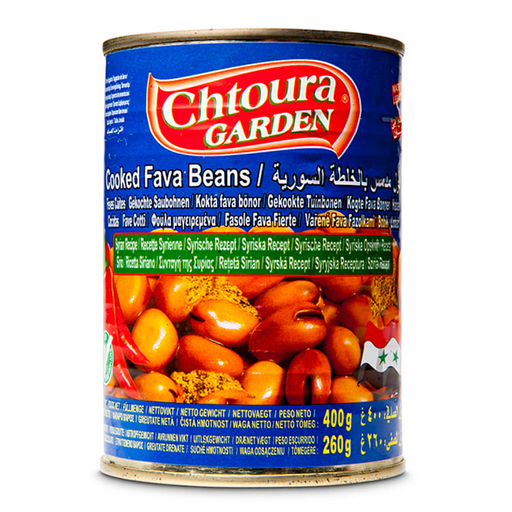
What makes it special: This product from Chtoura Foul is based on the traditional Syrian recipe. The fava beans are already seasoned with a blend of olive oil, parsley, lemon juice, garlic, and spices, making them ready to eat immediately.
Benefits:
Who it's for: Ideal for those looking for an exceptionally quick and pre-seasoned meal who appreciate the hearty taste of Syrian cuisine.
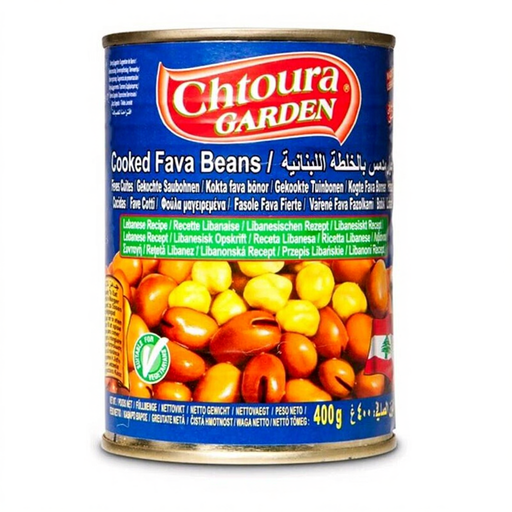
What makes it special: This Lebanese-style variant offers a neutral base of whole, cooked fava beans. It is intentionally unseasoned to allow for maximum flexibility in preparation.
Benefits:
Who it's for: Perfect for anyone who enjoys seasoning their foul medammes themselves and prefers the texture of whole beans. A great foundation for a classic Lebanese breakfast.
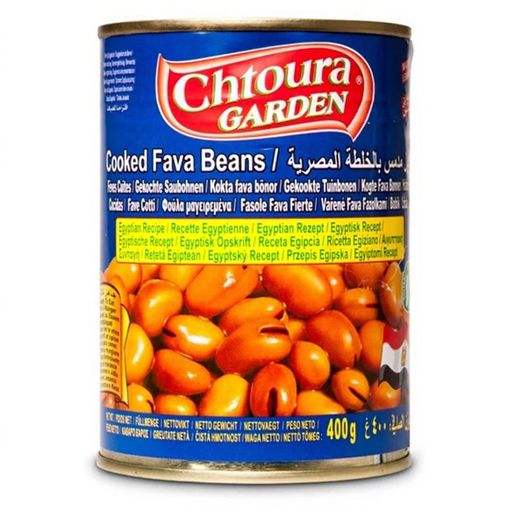
What makes it special: This product follows the Egyptian tradition with a high content of fava beans, which are pre-seasoned with cumin and a hint of chilli.
Benefits:
Who it's for: Recommended for fans of Egyptian cuisine who prefer a pre-seasoned base with a subtle heat and a creamier texture.
If you prefer other brands or preparation styles of cooked fava beans, you can find more products in our broader category. Here you can discover different package sizes and varieties to find exactly what you need for your kitchen.
Discover our entire range of fava beans here
Foul Medammes is a traditional dish from the Middle East and North Africa. The main ingredient is cooked and seasoned fava beans. It is often served as a warm breakfast but is also a popular meal at other times of the day.
The contents of the can are gently heated in a pot over low heat. While heating, you can lightly mash the beans with a fork to achieve the desired consistency. The foul is then classically seasoned with olive oil, lemon juice, chopped garlic, salt, and cumin, and served with fresh herbs and flatbread.
Yes, cooked fava beans are a good source of plant-based protein and fibre. They are naturally low in fat and provide essential nutrients. The nutritional value of the final meal also depends, of course, on the added ingredients like oil and salt.