
Lieferung heute & morgen

Qualitätsgarantie

Willkommens-Angebote freischalten: KOSTENLOSE Lieferung | Bis zu 80 % RABATT | Kostenlose 30-Tage-JoyPlus-Testphase
App herunterladen
An uneven or streaky makeup result can often be traced back to using the wrong tool. A good foundation brush is crucial for how the product sits on the skin and how even your complexion appears. But the selection is vast: from dense kabuki brushes to flat, flexible models, there's a suitable option for every foundation texture and desired finish.
This article serves as your guide. We'll explain the essential features of foundation brushes and present a selection of models for various needs. Our goal is to provide you with the information you need to make an informed decision.
Three main factors determine whether a brush is right for your needs: its shape, bristle material, and bristle density.
The shape of the brush head is tailored to specific foundation textures and application techniques.
Modern makeup brushes predominantly use synthetic fibres. Unlike natural hair bristles, they don't absorb liquid or cream products, which reduces product waste and allows for a more hygienic application. Synthetic bristles are also durable, easy to clean, and a safe choice for individuals with animal hair allergies.
The density of the brush bristles has a direct impact on the level of coverage you achieve:
Here is a selection of foundation brushes that are suited for different application purposes due to their specific characteristics.
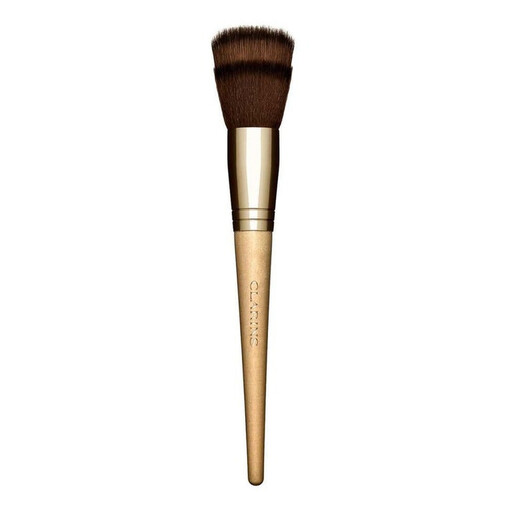
Why it stands out: The Multi-Use Foundation Brush by Clarins is designed as a versatile tool. Its flared, fluffy brush head with soft, synthetic fibres allows for an even and natural application of liquid, cream, and powder foundations.
Benefits:
Who it's for: Users looking for a multifunctional tool for various products and a sheer to light-coverage, natural finish.
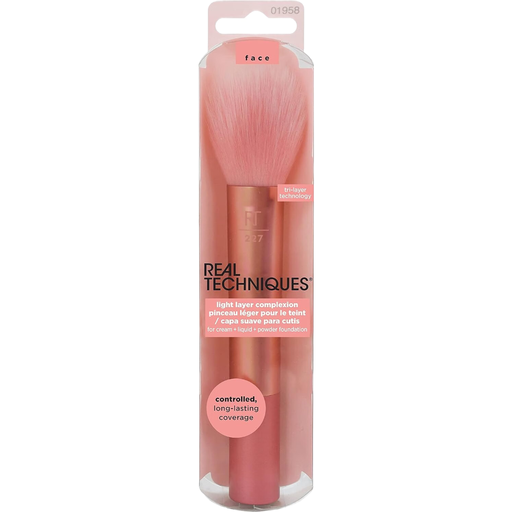
Why it stands out: This brush from Real Techniques uses a special Tri-Layer Bristle Technology. Bristles of varying lengths work together to precisely control the amount of product picked up, achieving a light, buildable result.
Benefits:
Who it's for: Users who prefer a light, natural finish and want to build up coverage gradually. Ideal for applying liquid foundation and loose powder brush.

Why it stands out: The DUcare No. 55 is an extremely dense foundation brush with over 200,000 synthetic bristles. Its hexagonal handle shape ensures a stable and controlled grip when applying foundation.
Benefits:
Who it's for: Users aiming for high coverage and a smooth, almost poreless finish, especially when using liquid or cream foundations.
Choosing the right brush is a highly personal decision that depends on your skin type, preferred foundation, and desired result. If the models presented here don't quite meet your needs or if you're looking for more specialised tools, there are numerous alternatives to discover.
Explore our full range of makeup foundation sets and find the perfect addition to your routine.
To achieve a streak-free result, start with a small amount of product in the centre of your face and work it outwards. Depending on the brush type, use dabbing (stippling) or gentle, circular (buffing) motions instead of long brush strokes. Make sure to blend the transitions well at the hairline and jawline.
Both tools have their merits. A foundation brush often offers more precision and allows for higher coverage. It's great for targeted application and working the product into the skin. A damp makeup sponge, on the other hand, often creates a particularly natural, skin-like finish as it absorbs excess product. The choice depends on personal preference and the desired look.
For hygienic application, weekly cleaning is recommended, especially for brushes used with liquid or cream products. Use a special brush cleaner or a mild soap and lukewarm water. Gently lather the bristles, rinse them thoroughly until the water runs clear, and carefully squeeze out the excess moisture. Lay the brush flat on a towel to dry to prevent water from seeping into the ferrule (the metal part).