
Lieferung heute & morgen

Qualitätsgarantie

Willkommens-Angebote freischalten: KOSTENLOSE Lieferung | Bis zu 80 % RABATT | Kostenlose 30-Tage-JoyPlus-Testphase
App herunterladen
Foundation should even out your complexion without sitting visibly on the skin. In practice, however, choosing the right product often fails not because of the price, but because of an unsuitable foundation shade, texture or expectations around wear and skincare benefits. When comparing liquid foundation, matte foundation or a hydrating foundation, you should therefore look beyond advertising claims.
A light, medium or dark shade does not automatically describe the undertone. It may be cool, neutral or warm. A shade that is too pink can look noticeably off on a warm complexion, while a shade that is too yellow may create a dull appearance. Where possible, test foundation along the transition from cheek to jawline and check the colour in daylight.
A long-lasting foundation can be useful for oily skin, but it may not feel comfortable on dry areas. Matte formulations containing powdery or oil-absorbing ingredients can emphasise dry patches. Conversely, a richer, hydrating foundation may become shiny more quickly on oily skin. The key is how your skin type, skincare, primer and application technique work together.
A foundation with SPF may provide an additional protection factor, such as SPF 20 or SPF 30. However, the amount applied as make-up does not necessarily match the amount used when the sun protection factor was tested. For longer periods outdoors, foundation should therefore not be treated as your sole sun protection.
Start by looking at the product’s colour description, such as “Ivory”, “Beige”, “Honey” or details like “Cool Undertones”. Shade names from different brands cannot be compared directly. A shade with the same number may look noticeably different depending on the brand.
The following approach can be helpful:
If you regularly switch between a summer and winter complexion, you can combine two shades or specifically look for a buildable formula.
Light coverage is ideal for a subtle “skin tint” effect. Medium coverage visibly evens out the complexion while usually allowing the skin’s natural texture to show through. A full-coverage foundation is more highly pigmented and can create a more even appearance where there is redness or unevenness.
More coverage is not automatically more practical. For everyday use, a buildable foundation can offer greater flexibility: one thin layer is enough for the entire complexion, while extra product can be applied to specific areas. BB creams often combine light to medium tinting with additional product benefits. Here too, you should check the specific product description and INCI list.
The finish describes how the skin looks after application:
The ingredients are also relevant. Fragrance, alcohol or certain preservatives may be unwanted by some people. An incomplete ingredients list makes it harder to assess a product for your individual needs. If you have known intolerances, the packaging should be treated as the authoritative source. As with any cosmetic product, stop using it if irritation occurs.
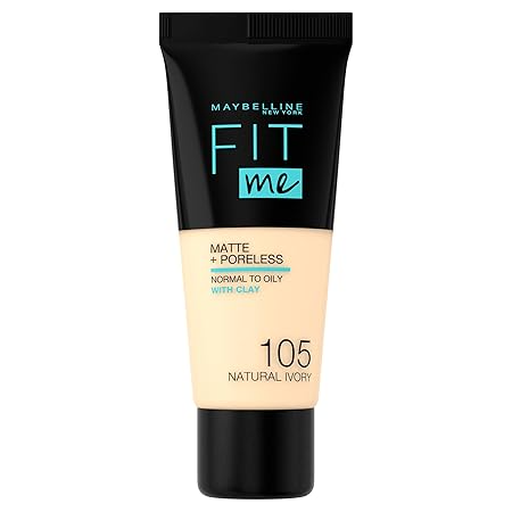
Why this product suits this profile: According to the product description, this liquid foundation offers light to medium, buildable coverage and a matte finish. This makes it an appealing choice for simple everyday routines.
The buildable coverage means you do not need a heavily covering layer for every occasion. Even so, shade 105 Natural Ivory should be checked against your face.
30 ml capacity, liquid texture, an oil-free claim and a matte finish according to the product details.
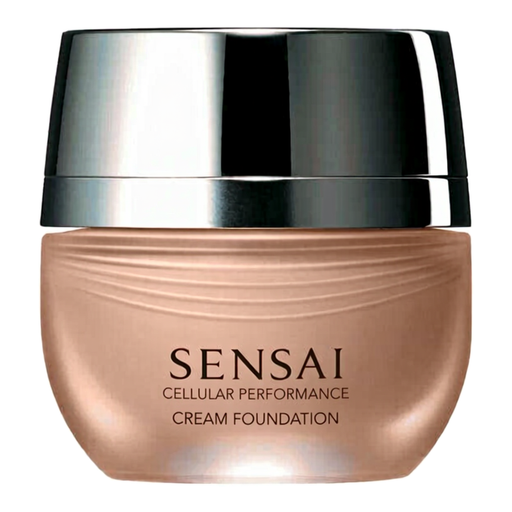
Why this product suits this profile: According to the product description, the creamy formula is designed to provide naturally looking medium to high coverage and a skin-like, radiant effect.
The details specify coverage and texture characteristics rather than relying solely on general claims about wear. Please note that it contains fragrance.
30 ml capacity, creamy consistency and details of niacinamide, acetyl glucosamine and vitamin E in the product description.
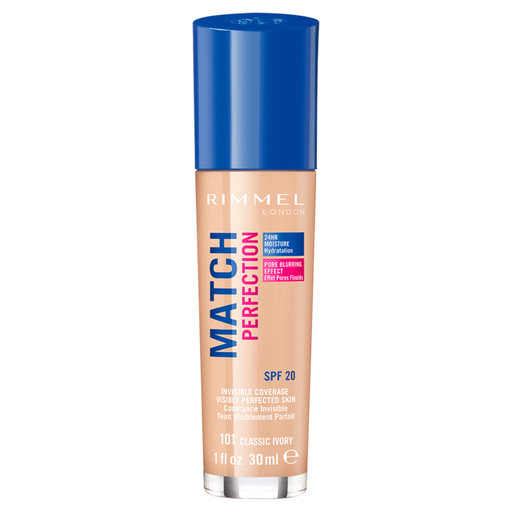
Why this product suits this profile: For everyday use, the product description specifies medium coverage, a naturally smoothing finish and SPF 20.
The “not waterproof” specification makes its limitations clear. SPF 20 is listed as an additional feature, but does not replace separate sun protection.
30 ml capacity, creamy texture, medium coverage and SPF 20 according to the product details.
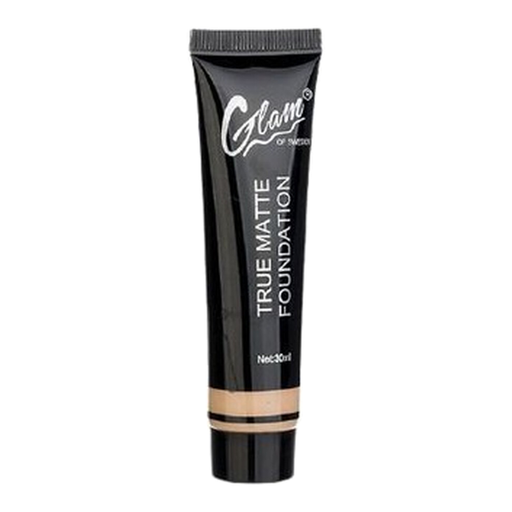
Why this product suits this profile: The product description specifies a matte finish, full coverage and a creamy, buildable texture. This makes it suitable for more highly covering looks.
The stated coverage makes it easier to assess whether it is right for you. On dry areas, suitable skincare and a thin, targeted application are recommended.
Matte finish, full coverage and 30 ml capacity according to the product details.
We have put together a complete, regularly updated list of products that fully meet these strict selection criteria and the safety regulations applicable in the EU.
Shake liquid foundation before use if this is stated on the packaging. Start with a small amount in the centre of your face and blend it outwards. There should be no visible line along the jawline. For greater coverage, apply a second thin layer rather than using a large amount straight away.
Clean your sponge and brush regularly, and close the packaging after use. Observe the best-before date or the symbol indicating the product’s shelf life after opening. Changes in smell, colour or consistency may indicate that a product should no longer be used.
Matte or oil-free formulations are often chosen, such as products offering light to medium coverage and claims relating to shine control. What matters most is how your own skin reacts to the texture, skincare and powder. Test the product on a small area first.
Shelf life depends on the packaging information, best-before date and the stated period after opening. Foundation should be stored in a cool, dry place away from direct sunlight. If its smell, colour or consistency changes, you should exercise caution.
Depending on the product, foundation offers light to high coverage and different finishes. BB cream combines tinting with additional stated benefits, such as SPF. Skin tint is usually lighter and more sheer. The specific formula and stated shade are more important than the product name alone.