
Lieferung heute & morgen

Qualitätsgarantie

Willkommens-Angebote freischalten: KOSTENLOSE Lieferung | Bis zu 80 % RABATT | Kostenlose 30-Tage-JoyPlus-Testphase
App herunterladen
Foundation should even out your skin tone, feel comfortable and suit your individual skin type. However, product names such as “24H”, “Glass Skin” or “Full Coverage” do not automatically guarantee the desired result. What really matters is the texture, shade, ingredients and application.
1. Marketing claims are mistaken for guarantees
Terms such as “long-lasting foundation”, “72H” or “24H” generally refer to the manufacturer’s claims under specific conditions. Skincare, climate, perspiration, friction from face masks and the primer used can all affect how long foundation lasts. A high stated wear time is therefore no reliable substitute for a formula that suits you.
2. Shade is chosen based on lightness alone
A shade can be light enough and still look unsuitable if the undertone is wrong. Shades are generally divided into cool, neutral and warm undertones. If possible, test foundation where the cheek meets the jawline and assess the result in daylight. The back of the hand is less suitable for choosing a shade.
3. “Skincare” benefits and SPF are overinterpreted
Moisturising ingredients such as glycerin, panthenol or hyaluronic acid can support a formula’s cosmetic properties. However, they are not a substitute for skincare tailored to your individual needs. Foundation with SPF is not automatically a complete sunscreen either: the amount used, even application and reapplication differ from normal foundation application.
A liquid foundation can often be applied in thin layers and is suitable for a customisable result. A serum foundation usually has a lightweight, fluid texture and is often associated with a radiant finish. If you prefer a Korean glass-skin look, you could consider a cushion foundation. It is pressed into the skin with a sponge and is particularly practical for quick touch-ups on the go.
For more noticeable redness or unevenness, a high-coverage foundation may be a sensible choice. Buildable medium coverage is often more flexible than applying a very dense layer across the entire face. A powder foundation, on the other hand, offers a dry, compact application and can help reduce shine precisely where needed.
A matte foundation can make oily or combination skin look less shiny. On dry areas, however, there is a risk that dry patches will become more noticeable. A radiant foundation or a glass-skin foundation usually looks fresher, but can emphasise additional shine on oily skin.
If you have sensitive skin, it is worth checking the fragrance, alcohol and complete INCI list. The term “for sensitive skin” is not a substitute for checking your own tolerance. If you have experienced reactions before, a small patch test is recommended. Stop using the product if burning, redness or itching occurs.
Pay attention to the complete shade description. A selection of “foundation in various shades” is particularly helpful when you need to match both lightness and undertone precisely. Product names such as 13N Fair Ivory, 21C Cool Ivory or 17W French Vanilla provide clues about lightness and undertone, but do not replace comparing the shade with your own complexion.
An SPF value such as SPF 10, SPF 15, SPF 20 or SPF 40 should be regarded as additional information. For longer periods outdoors, a separate sunscreen is required and should be used according to its instructions.
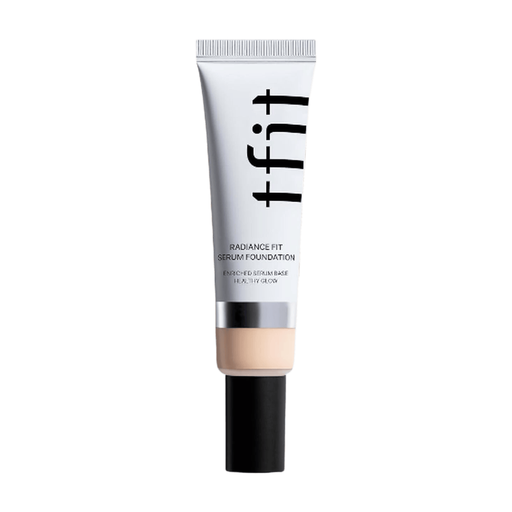
Why this product suits this profile: Its serum-like, lightweight texture and light C00 shade are ideal for anyone looking for an uncomplicated, naturally radiant base.
The product details specify buildable, lightweight coverage rather than an automatically extremely full-coverage layer. SPF 15 is included, but should not be used as your only sun protection.
Serum-based texture, ingredients such as glycerin, panthenol and ceramide NP, plus a radiant finish according to the product description.
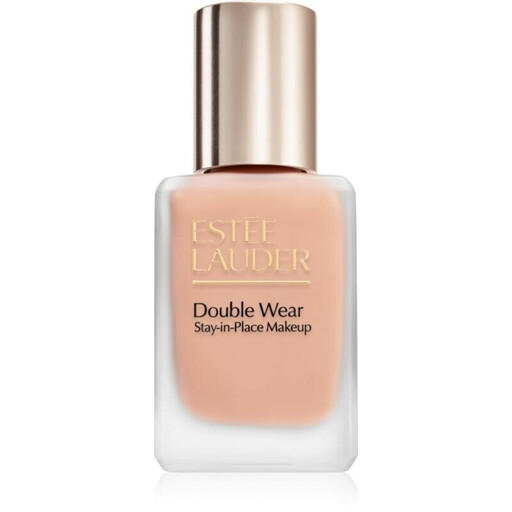
Why this product suits this profile: This liquid formula is designed for anyone looking for buildable coverage and a natural-matte finish to see them through long working days.
Shade 1N0 is explicitly described as very light with a neutral undertone. Applying thin layers helps prevent an overly heavy finish.
Oil-free formula, SPF 10 and buildable medium to high coverage according to the manufacturer’s claims.
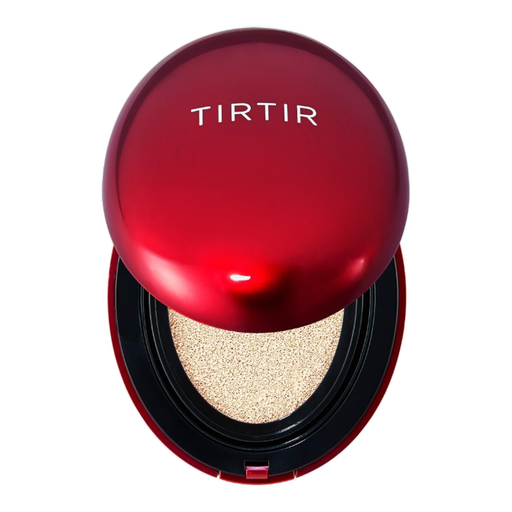
Why this product suits this profile: The cushion format is ideal for quick touch-ups and for anyone who prefers a radiant finish with easy-to-control, buildable coverage.
Shade 13N indicates both lightness and a neutral undertone. The sponge allows you to build up coverage gradually instead of applying too much product straight away.
Cushion application, SPF 40 according to the product details, plus niacinamide and various plant extracts in the INCI list.
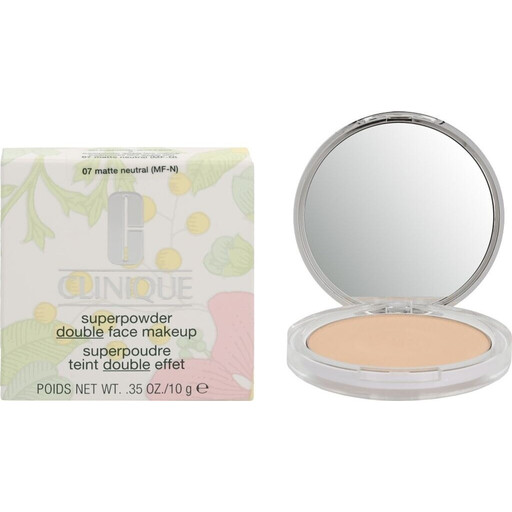
Why this product suits this profile: This compact powder foundation is suitable for anyone who prefers a short routine, a matte result and easy touch-ups without a liquid texture.
It can be used as a foundation or as powder over liquid foundation. The claim that it is 100% fragrance-free makes it easier for fragrance-sensitive people to choose, but does not replace a patch test.
Compact 2-in-1 product, 10 g contents and a fragrance-free, mattifying powder according to the product description.
We have put together a complete, regularly updated list of products that fully meet these strict selection criteria and the safety regulations applicable in the EU.
Apply foundation to clean, moisturised skin. Start with a small amount in the centre of your face and blend it outwards. For more coverage, thin, successive layers are usually easier to control than one thick layer. With cushion products, patting the colour into the skin works better than rubbing it in.
Close the bottle or cushion after every use and store the product somewhere dry and cool, protected from direct sunlight. Sponges and brushes should be cleaned regularly. Also check the product’s shelf life, the printed best-before date and the batch number on the packaging.
A lightweight serum foundation or radiant liquid foundation can feel more comfortable if your skin has been moisturised sufficiently beforehand. Look for a flexible texture and avoid strongly mattifying products on dry areas if they make unevenness more noticeable.
This depends on the product, packaging, storage conditions and the symbol shown on the packaging. For compact products such as Clinique Superpowder Double Face Makeup, for example, a period of use after opening is specified. The information on the particular product always takes precedence.
No. The foundation’s SPF value describes the tested level of protection when a specific amount is applied. As foundation is usually applied thinly and unevenly, it should not be used as your only sun protection during prolonged or intense exposure to the sun.