
Lieferung heute & morgen

Qualitätsgarantie

Willkommens-Angebote freischalten: KOSTENLOSE Lieferung | Bis zu 80 % RABATT | Kostenlose 30-Tage-JoyPlus-Testphase
App herunterladen
Foundation should even out the complexion without sitting visibly on the skin. In practice, however, disappointing purchases are often caused by an unsuitable shade, an incompatible finish, or exaggerated expectations regarding SPF and skincare benefits. Our 2026 selection explains what to look for in a liquid foundation, cream foundation, or foundation stick.
The skin on the back of the hand often differs from the complexion and neck. A foundation shade that appears suitable there may look too pink, yellow, or dark on the face. Whenever possible, test foundation along the jawline and assess it in natural daylight. Allow the formula a few minutes to settle before judging the colour.
Pay attention to the combination of depth and undertone:
A medium- to high-coverage foundation can more effectively even out redness, pores, and uneven texture. However, applying too much product can make the complexion look heavy. For everyday wear, buildable coverage is often more versatile: one thin layer evens out the skin tone, while additional product can be applied only where needed.
For special occasions, a more highly pigmented foundation may be worthwhile. For dry skin, however, a flexible, creamy texture is often more comfortable than a strongly mattifying formula.
A foundation with SPF provides an additional layer of protection, depending on the amount applied and how evenly it is distributed. It does not replace a separately applied sunscreen during prolonged UV exposure. This also applies to products with SPF 30, SPF 45, or SPF 50. Always check the packaging for practical application guidance.
Choosing foundation according to your complexion is the most important step. A neutral shade such as 2N1 Desert Beige or 23N Ginger may suit skin tones with a neutral appearance. Fair skin with a rosy undertone may instead require a shade such as 1N2 Ecru or 1C1 Cool Bone.
Online shade representations may vary due to screen settings and lighting. Therefore, check the official shade description, the stated amount, and—where available—comparison shades from the same product range.
Glycerin, hyaluronic acid, and sodium hyaluronate are used in many formulas to help bind moisture. This does not guarantee a particular effect on the skin. If you have sensitive skin, take note of fragrances and any known personal triggers. A patch test on a small area of skin may be advisable before first use. Discontinue the product if persistent redness, burning, or itching occurs.
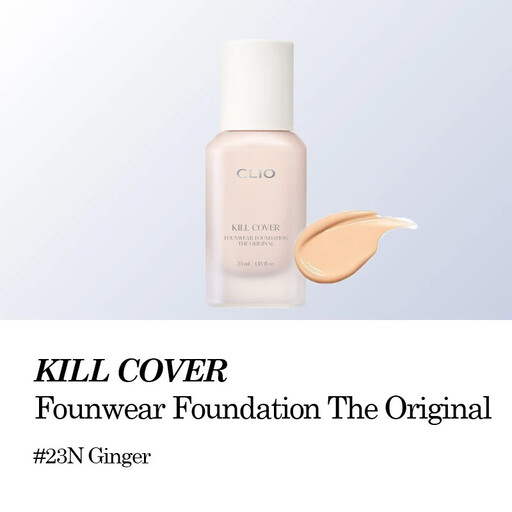
Why This Fits Their Persona: With 30 ml of product, this liquid foundation is designed for users seeking a neutral medium shade and buildable coverage for everyday wear.
The lightweight, layerable texture can be built up gradually instead of creating an immediately heavy-coverage layer. Even so, shade 23N should be checked against the neck.
30 ml, liquid consistency, neutral 23N Ginger shade, and—according to the product information—a smooth, natural-looking finish.
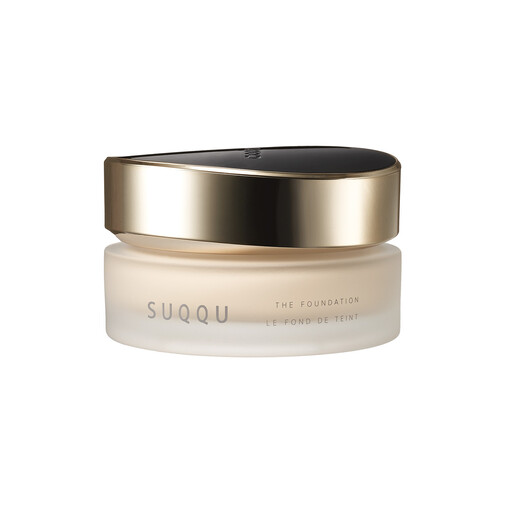
Why This Fits Their Persona: This creamy luxury foundation suits users who prefer medium-to-high, buildable coverage and a skin-like finish.
Coverage can be adjusted for everyday wear or special occasions. This means less product is needed when the goal is simply to even out the complexion.
30 g, creamy texture, shade 105, and—according to the product description—a natural finish with long-wearing performance.
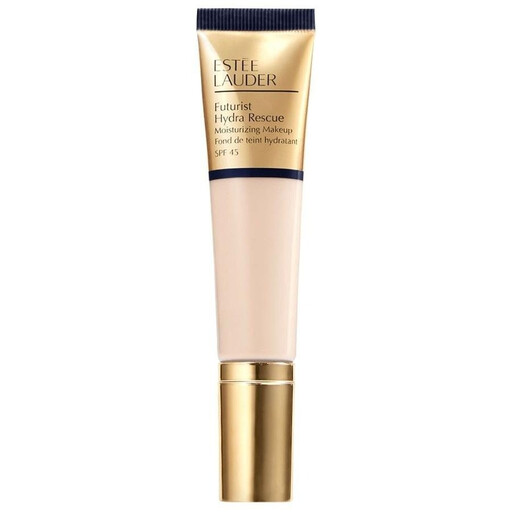
Why This Fits Their Persona: A strong choice for dry or normal skin and occasions when you want medium-to-high, buildable coverage with a fresh finish.
The SPF rating is clearly stated but should be viewed only as an additional benefit. Shade 1N2 is fair with a neutral-rosy undertone.
35 ml, SPF 45, liquid consistency, and—according to the product information—wear of up to 12 hours.
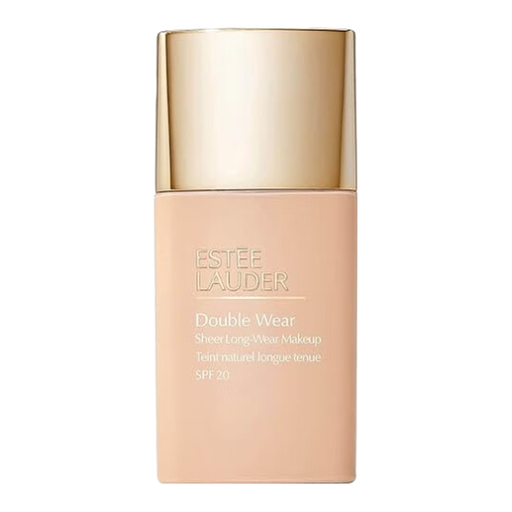
Why This Fits Their Persona: This lightweight foundation with a sheer-matte finish is designed for long days at the office, while travelling, or at events when a subtle result is preferred.
The sheer-to-light coverage prevents an unnecessarily heavy layer. A second thin layer can be added selectively where needed.
Oil-free formula according to the product information, SPF 20, shade 2N1 with a neutral undertone, plus stated resistance to sweat and humidity.
Explore more foundation options selected by shade, finish, coverage, and additional product features.
A moisturising primer can improve the feel of dry areas. For oily skin, a lightweight skincare routine and targeted powdering are usually more effective than applying a very thick layer of foundation.
Compare the official shade description with your complexion and undertone. The key is to assess the shade along the jaw and neck in daylight—not on the back of the hand. If you are unsure, neutral shades such as “N” may be a useful starting point, but they cannot replace a direct comparison.
Refer to the PAO symbol, the best-before date, and the batch number on the packaging. Changes in scent, colour, consistency, or how the product feels on the skin indicate that it should no longer be used. Close the bottle after every application and store it in a dry place away from direct sunlight.
Check the complete INCI list and, if you are personally sensitive to fragrance, choose a fragrance-free formula whenever possible. Even products described as “gentle” can trigger individual reactions. A patch test before the first full-face application is a practical precaution.