
Lieferung heute & morgen

Qualitätsgarantie

Willkommens-Angebote freischalten: KOSTENLOSE Lieferung | Bis zu 80 % RABATT | Kostenlose 30-Tage-JoyPlus-Testphase
App herunterladen
Foundation make-up is designed to even out your skin tone, cover redness or imperfections, and fit seamlessly into your daily routine. Yet buying it often leads to disappointment: the shade looks too yellow in natural light, the texture settles into dry patches, or the promised longevity doesn't match your usage habits.
As Joybuy's Product Recommendation Officer, I filter product details according to clear, understandable criteria. What matters isn't a particularly flashy advertising claim, but the combination of shade, coverage, finish, skin type, ingredients and application context.
Names like "Ivory", "Beige" or "Porcelain" aren't consistent across brands. What's more, skin tones differ in their undertone:
The colour should ideally be checked along your jawline and neck in natural daylight. Your hand is only of limited use for this, as it often has a different skin tone. Liquid foundation can also change slightly after application. That's why it's a good idea to wait a short while before making your final colour comparison.
A foundation with SPF can offer an additional protective factor. However, the actual level of protection depends on the amount applied and how evenly it's distributed. For longer periods outdoors, foundation shouldn't automatically be seen as a replacement for a dedicated sunscreen product.
A full-coverage foundation can be more heavily pigmented, but it doesn't feel comfortable on every skin type. A foundation with medium coverage can often be layered and is more flexible for the office, everyday wear or events. Similarly, "radiant" doesn't mean the same as moisturising, while a matte finish isn't automatically suitable for every oily or combination skin type.
For dry areas, moisturising formulations with glycerin, hyaluronic acid or nourishing oils could be of interest. However, these ingredients alone don't say anything about individual tolerance. For combination skin, it's worth paying attention to the balance between a feeling of hydration and shine control.
A matte foundation can help reduce visible shine, while a natural or luminous foundation can create a less powdery appearance. If you have sensitive skin, you should check the full INCI list and pay particular attention to fragrances or known personal triggers. Even products labelled as "hypoallergenic" or "for sensitive skin" can cause reactions in some individuals.
Coverage is usually described as light, medium or full. For an even everyday look, a foundation with medium coverage can be sufficient. For more noticeable imperfections, a buildable texture can be more practical than a very heavy-coverage formula.
A small amount, blended from the centre of the face outwards, makes it easier to achieve an even result. Additional layers should only be applied where needed, so the foundation doesn't end up looking unnecessarily heavy.
With a long-lasting foundation, it's worth looking at the specific product description: some brands state a wear time, while others simply refer to water, sweat or humidity resistance. These claims aren't automatically the same as the product maintaining its appearance unchanged all day.
Before choosing, you should also clarify whether you'll apply the foundation with fingers, a brush or a sponge. A creamy foundation can be blended differently to a liquid foundation. For mature skin, it's wise to pay particular attention to a thin, flexible layer and to apply sparingly over fine lines.
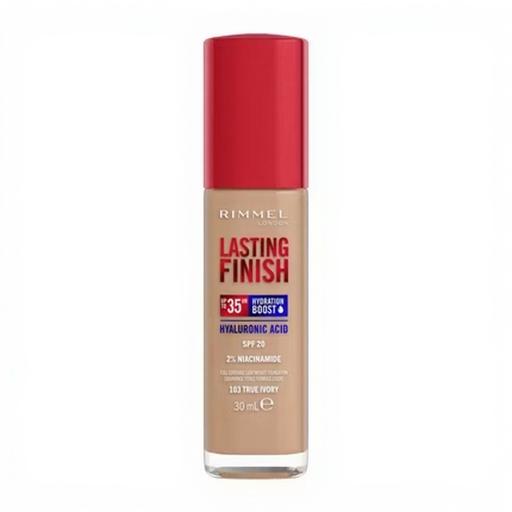
Why this product fits the profile: This liquid foundation offers SPF 20 and, according to the product details, contains ingredients including glycerin, niacinamide and sodium hyaluronate. The light shade 103 True Ivory is aimed at shoppers looking for a clearly defined colour.
The product details list specific ingredients and SPF 20, rather than just using a general care promise. The shade should still be checked in natural daylight.
30 ml content, SPF 20 and a formula described as long-lasting with a natural finish.
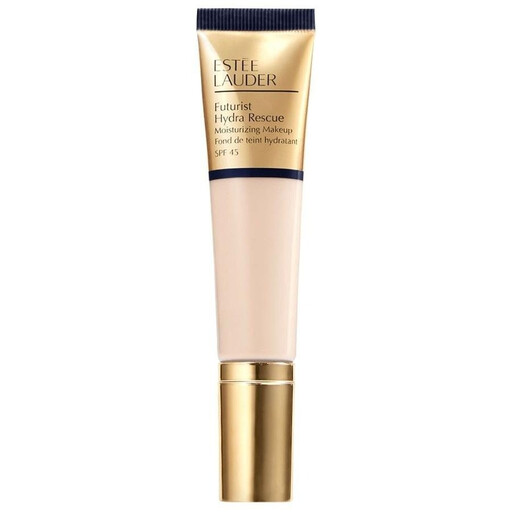
Why this product fits the profile: The product description mentions buildable medium to full coverage, SPF 45 and a light neutral shade with a rosy undertone. This is aimed at people who want to combine several selection criteria in one foundation.
The shade is described with its colour depth and undertone. This makes pre-selection easier, but doesn't replace a comparison along the jawline and neck.
SPF 45, 35 ml content and buildable coverage according to the product details.
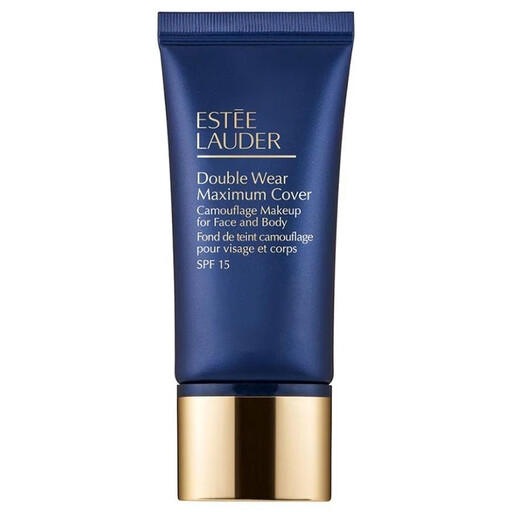
Why this product fits the profile: This cream foundation is described as offering full coverage with a matte finish and a water-resistant formula. It could be of interest for events or situations where stronger coverage is desired.
The coverage and finish are clearly stated. For everyday wear, the amount should be applied sparingly, as high coverage isn't necessary for every use.
30 ml content, SPF 15, matte finish and water-resistant properties according to the product details.
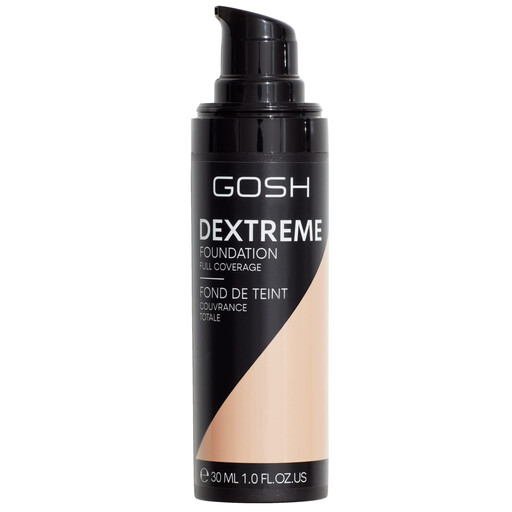
Why this product fits the profile: According to the product details, this vegan foundation is fragrance-free and designed for a matte finish with high coverage. This could be relevant for people who want to avoid fragrances in their make-up as much as possible.
The fragrance-free claim is explicitly stated in the description. For sensitive skin, a patch test on a small area is still advisable.
30 ml content, vegan product claim, fragrance-free formula and matte high coverage according to the description.
We've put together a complete, regularly updated list of products that fully meet these strict selection criteria and the safety regulations in force in the EU.
For a foundation designed for mature skin, the layer should be kept as thin as possible. For sensitive skin, the current ingredient list, the expiry date and the usage instructions on the packaging are what matter. If irritation occurs, stop using the product.
A foundation for combination skin should address both dry and shiny areas of the face. A light to medium, buildable coverage can be more flexible than a very rich texture. A mattifying product could work for the T-zone, while a moisturising foundation may feel more comfortable on drier areas.
Refer to the PAO symbol on the packaging, as well as the product's consistency and smell. Direct sunlight, heat and moisture can affect storage. The specific time frame depends on the individual formula and packaging.
The stated SPF is a product feature, but the level of protection depends on factors including the amount used and even application. For longer sun exposure, a separate sunscreen product with appropriate application is recommended.