
Lieferung heute & morgen

Qualitätsgarantie

Willkommens-Angebote freischalten: KOSTENLOSE Lieferung | Bis zu 80 % RABATT | Kostenlose 30-Tage-JoyPlus-Testphase
App herunterladen
Foundation make-up should even out your complexion without looking patchy, mask-like or shiny after a short time. The choice ranges from liquid foundation and cushion foundation to cream formulas. You will also come across terms such as “long-lasting”, “nourishing” and “radiant”, but these alone reveal little about whether a product is genuinely suitable.
What matters is not just the brand, but the combination of shade, undertone, coverage, finish, skin type and application situation. Checking these points before you buy reduces the risk of making the wrong choice.
“Porcelain”, “Ivory” and “Beige” are not consistent standards. A light shade may have neutral, rosy or yellow undertones. So, when choosing a light skin tone, you should consider not only the depth of shade but also the undertone.
Comparing shades in daylight is the most reliable approach. The shade should look as seamless as possible where the cheek meets the neck. Foundation can also darken slightly after application. If you are unsure, descriptions such as “neutral”, “cool” or “warm” are more useful than the shade name alone.
High coverage can conceal redness and unevenness more effectively, but applying too much can quickly make the finish look heavy. Medium coverage is often more flexible to build and is suitable for a more even everyday look.
Pigment distribution is also important. A buildable foundation applied in a thin layer may be more practical than a highly covering formula that is difficult to blend.
Claims such as “up to 35 hours” or “72 hours” are brand-specific product claims and depend, among other things, on your skin type, application, climate and preparation. They should not be understood as a guaranteed wear time.
Make-up with skincare benefits does not replace a complete skincare routine either. If a foundation contains glycerin, niacinamide or hyaluronic acid derivatives, for example, this initially tells you about the ingredients it contains, not automatically about any therapeutic effect.
A matte finish is not automatically better for oily skin, and a radiant finish is not suitable for every dry skin type. Primer, day cream and powder also affect the result.
The coverage you want should suit how you plan to use the product:
Liquid foundation can usually be applied with your fingers, a brush or a sponge. Cushion foundation is typically pressed into the skin with a puff and is particularly suitable for quick touch-ups on the go. Applying thin layers helps prevent a patchy or heavy result.
An SPF foundation may contain a stated sun protection factor, such as SPF20, SPF10 or SPF40. However, this does not mean it replaces a separate sunscreen during prolonged or intense UV exposure. The instructions on the packaging and product page are decisive for specific applications.
For cosmetic products, you should also check the INCI list, shelf life, batch number and responsible person in the EU. Formulas can change. The ingredients list on the packaging you receive is therefore the most up-to-date reference.
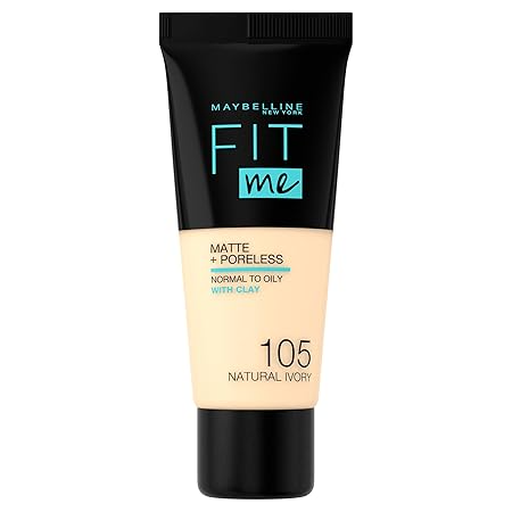
Why this product suits the profile: This liquid foundation is an accessible option for users looking for a light, matte finish for normal to oily skin.
The description clearly states the skin type, shade 105 Natural Ivory, oil-free formula and mattifying ingredients, rather than relying solely on a general longevity claim.
Light liquid texture, matte finish and 30 ml content; according to the product information, dermatologically and allergologically tested.
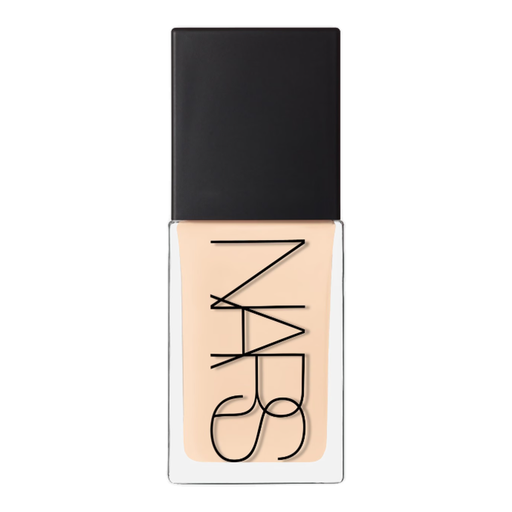
Why this product suits the profile: The formula is designed for lightweight, breathable application with medium coverage and a natural, radiant finish.
The product description explicitly states the shade Light 2 Mont Blanc, medium coverage and finish. This makes it easier to compare the product before buying.
30 ml, buildable medium coverage and ingredients such as glycerin and tocopherol according to the INCI list.
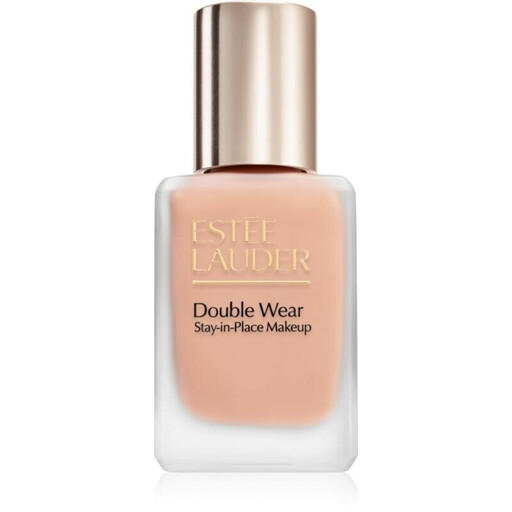
Why this product suits the profile: This liquid foundation is aimed at users who prefer buildable medium to high coverage and a matte finish.
The information distinguishes between medium and full, buildable coverage. It also states SPF10, an oil-free formula and shade 1N0 Porcelain.
According to the official product description, water-, sweat-, heat-, humidity- and transfer-resistant; longevity claims are brand-specific.
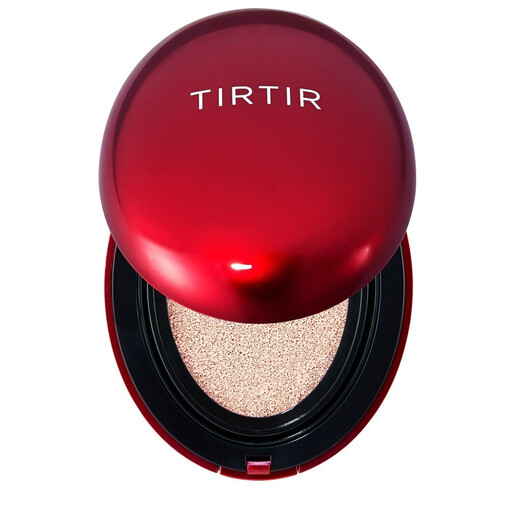
Why this product suits the profile: This cushion foundation is pressed into the skin and is suitable for quick touch-ups, as well as for users who prefer a radiant finish.
Shade 15C Fair Porcelain, the cushion format, buildable coverage and SPF40 are clearly stated. Fragrance is included in the ingredients list.
Practical 18-g cushion format, SPF40 according to the product information and ingredients such as niacinamide; separate sun protection is still required.
We have put together a complete, regularly updated list of products that fully meet these strict selection criteria and the safety regulations applicable in the EU.
Before applying foundation, cleanse your skin and prepare it with suitable skincare. Then distribute the foundation in a thin layer, starting at the centre of the face and working outwards. For more coverage, touch up only individual areas. With a cushion foundation, the product should be pressed into the skin rather than rubbed in vigorously.
Wear time depends on the formula, skin type, temperature, humidity, skincare base and powder. Opened cosmetics should be stored according to the packaging instructions and used within the stated period after opening. If the smell, colour or consistency changes, stop using the product.
Oil-free or mattifying formulas with light to medium coverage are often suitable for oily skin. Ingredients such as silica may help control shine, according to the product concept. Suitable skincare and using powder sparingly can also affect the result.
No. A stated SPF in foundation can be an additional feature, but it does not replace separate sun protection during prolonged or intense exposure to sunlight. The actual level of protection also depends on the amount applied.
The relevant information is the printed best-before date or the symbol indicating the period after opening, together with the manufacturer’s instructions. Opened foundation should be kept closed, in a cool place and protected from direct sunlight.