
Lieferung heute & morgen

Qualitätsgarantie

Willkommens-Angebote freischalten: KOSTENLOSE Lieferung | Bis zu 80 % RABATT | Kostenlose 30-Tage-JoyPlus-Testphase
App herunterladen
A foundation with SPF can combine make-up and sun protection in your daily routine. It should even out your complexion without feeling heavy, while also covering part of your daily UV exposure. However, the choice can be overwhelming: alongside classic foundation, there are tinted sunscreens, make-up with sun protection, CC cream SPF 50, DD cream SPF 50 and tinted day cream SPF 50.
If you only look at the high number on the packaging, you could easily buy something that doesn't suit your needs. What really matters is the amount you apply, the right shade, the coverage and the formulation for your individual skin type.
The stated sun protection factor is determined under standardised test conditions using a specific amount of product. In everyday use, however, foundation is usually applied more thinly. This means the actual level of protection can be lower. What's more, the forehead, sides of the nose, ears, neck and hairline are often not covered evenly.
For longer periods outdoors, days at the beach or sporting activities, a dedicated facial sunscreen makes sense. You can then use the foundation with SPF for your complexion. After sweating, swimming or drying off, reapplication is necessary.
A universal shade can adapt to several skin tones, but it doesn't necessarily offer a perfect match. With tinted facial sunscreen, the colour is often more sheer than with a full-coverage foundation. If you want to even out visible redness, pigmentation differences or blemishes, you should pay close attention to light, medium or high coverage.
Terms like "anti-ageing", "hydrating" or "hypoallergenic" should be assessed against the product description and INCI list. Fragrance, alcohol, essential oils or certain preservatives can be relevant for sensitive individuals. A formulation tested as non-comedogenic doesn't guarantee that every skin type will tolerate it without issue.
For daily city life, products with SPF 15, SPF 30 or SPF 50+ are suitable depending on your skin type and UV exposure. SPF primarily describes protection against UVB rays. Also look for information on UVA coverage, such as a UVA symbol or corresponding manufacturer details.
A foundation with SPF 15, like the Clinique Even Better Makeup SPF 15, can be interesting for short trips and days spent indoors. For longer periods outdoors, products with SPF 30 or SPF 50+ are more appropriate. No sunscreen offers complete UV protection; shade, clothing and a hat remain sensible.
A foundation for an even complexion should spread thinly and not be noticeably lighter or darker than your neck and décolletage.
Gel-creams and oil-free textures can feel pleasant on shiny combination skin. Richer cream foundations suit drier skin better, but need a well-absorbed moisturiser underneath. If you're sensitive to fragrance, check the INCI list. If you have known allergies, it's advisable to do a patch test on a small area of skin.
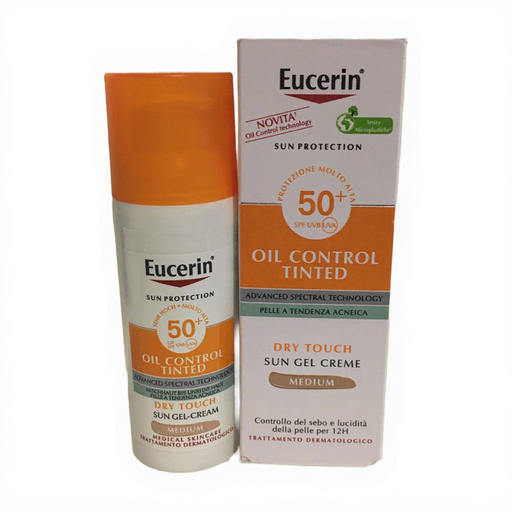
Why this product suits the profile: This tinted gel-cream combines SPF 50+ with a lightweight texture and is designed for combination and oily skin, according to the product information.
The universal shade and gel-like consistency reduce the risk of choosing a heavy-coverage, mismatched shade for everyday wear. The product information states an oil-free and fragrance-free formulation.
SPF 50+, water-resistant claim, mattifying gel-cream finish and 50 ml content.
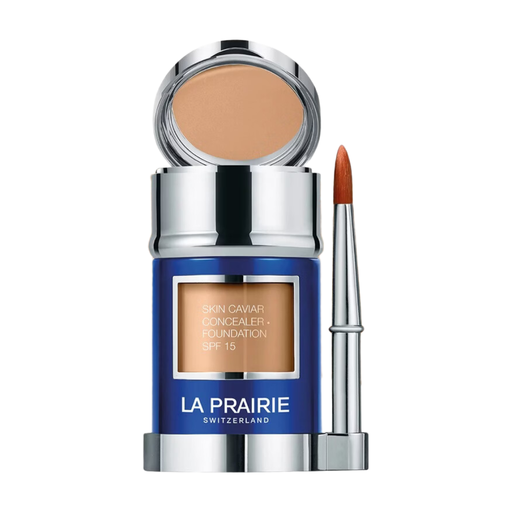
Why this product suits the profile: The combination of foundation and concealer is aimed at those who prefer targeted coverage for the eye area and imperfections.
The high coverage allows for targeted touch-ups rather than layering the entire face multiple times. The SPF 15 should be supplemented with a separate facial sunscreen in strong sun.
Foundation and concealer in one set, high coverage according to the product description, plus sponge and brush included.
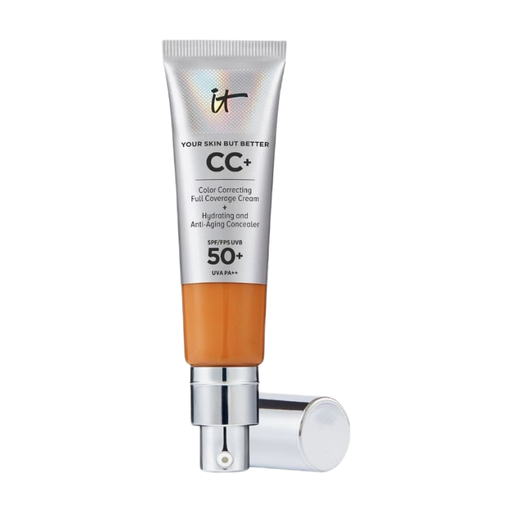
Why this product suits the profile: This pigmented CC cream combines medium coverage with SPF 50+ and suits users who prefer make-up and sun protection in one step.
The shade "Rich" is explicitly described as deep and warm. This makes it easier to match the colour choice against your own skin undertone before buying.
SPF 50+, medium coverage, natural finish and 32 ml content; formulated with mineral UV filters according to the information.
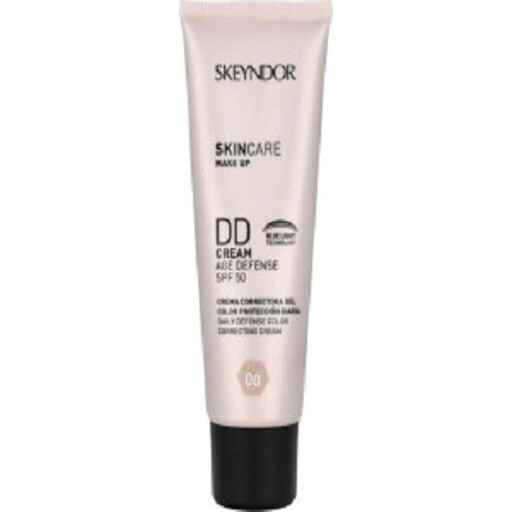
Why this product suits the profile: Shade 02 is intended for a deeper skin tone according to the product information and combines a tinted day cream with SPF 50.
The specific shade number makes selection easier compared to a vague universal shade. The SPF rating is clearly stated and the application for face and neck is described.
SPF 50, 40 ml content, buildable colour payoff and a light, non-greasy texture according to the product description.
We've put together a complete, regularly updated list of products that fully meet these strict selection criteria and the safety regulations in force in the EU.
For short trips, it can make an additional contribution. However, the amount applied is usually less than with a classic sunscreen product. In intense or prolonged sun, you should use a separate facial sunscreen and reapply it regularly.
That depends on the purpose. A CC cream SPF 50 offers a higher sun protection factor according to its labelling and usually provides light to medium coverage. A foundation SPF 15 can be more focused on make-up in terms of colour matching and coverage. For both, the deciding factors are: shade, skin type, application and actual sun exposure.
The best-before date and the PAO symbol on the packaging are what matter. Store the product away from direct sunlight and heat. If the smell, colour, consistency or your skin's tolerance changes, you should stop using it.