
Lieferung heute & morgen

Qualitätsgarantie

Willkommens-Angebote freischalten: KOSTENLOSE Lieferung | Bis zu 80 % RABATT | Kostenlose 30-Tage-JoyPlus-Testphase
App herunterladen
Foundation should even out your complexion without sitting visibly on the skin. Yet shoppers often make avoidable mistakes: the shade looks right in the online shop but oxidises later; a matte finish emphasises dry patches; or high coverage feels heavy for everyday wear. Your choice should therefore not be based solely on the brand name or marketing claims.
Depth of colour is only one part of finding the right shade. The undertone is just as important:
A foundation shade called Porcelain can be very light, but depending on the product it may have a neutral, cool or warm undertone. Beige is often in the light to medium range, but it is not automatically neutral. For the most realistic match, assess the shade on your neck or where your face meets your neck. Screen display, lighting and skincare can all affect how a colour appears.
A foundation with SPF can provide additional protection from light. However, the amount applied in everyday life is usually lower than the amount used with a specially formulated sunscreen. SPF 10, SPF 15 or SPF 20 in a foundation therefore does not replace suitable sun protection during prolonged or intense UV exposure.
A matte foundation can be useful for oily skin or pronounced shine in the T-zone. On dry skin, powder particles and long-wearing film-forming ingredients can make dry areas more noticeable. For combination skin, formulas that claim to control oil while also containing moisturising ingredients may be worth considering. An oil-free foundation is not automatically more comfortable for every skin type; texture, preparation and finish are also important.
Light to medium coverage is suitable for a natural everyday complexion. With many formulas, redness and uneven areas can be selectively evened out by applying a second thin layer. Buildable coverage is generally more practical than a very full-coverage texture when you want a flexible result.
With a liquid foundation, shake the bottle before use if the packaging instructs you to do so. Fluid products can be applied with your fingers, a brush or a damp sponge. A foundation stick or cushion allows targeted application and is ideal for use on the go.
Product claims such as “fragrance-free”, “non-comedogenic” or “oil-free” describe formulation properties, but they do not guarantee individual compatibility. If you have sensitive skin, carrying out a small patch test before applying the product over a larger area for the first time may be advisable.
A long-lasting foundation can be beneficial for working days, events or warm weather. Claims such as “up to 12 or 24 hours” are provided by the manufacturer and may vary depending on your skin type, climate, skincare base and application technique. A thin layer, sufficient setting time and a suitable primer can help prevent a patchy finish.
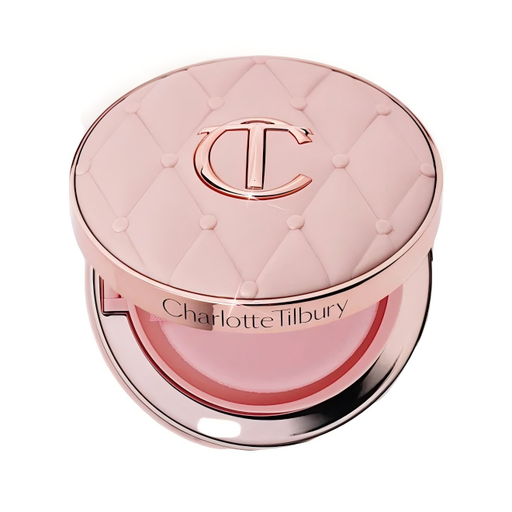
Why this product suits the profile: The lightweight stick texture is suitable for anyone looking for an uncomplicated foundation with a natural radiance and targeted application. Shade #2C is described as light with a cool undertone.
The sheer-to-light coverage reduces the risk of a heavy, mask-like finish. It can be built up on specific areas.
Glycerin, hyaluronic acid, niacinamide and squalane are listed among the ingredients; 12 g content and convenient stick application.
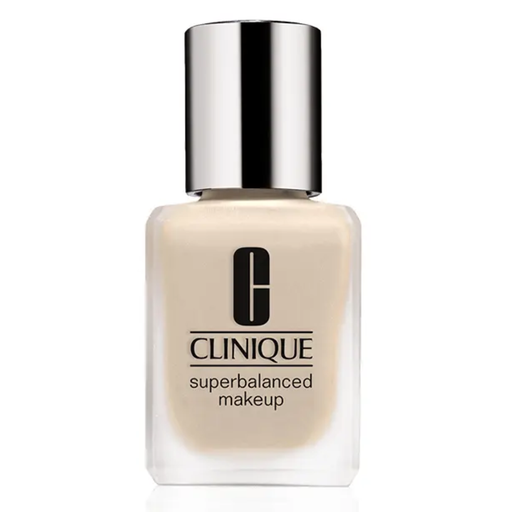
Why this product suits the profile: According to the product description, this liquid foundation is designed for normal to combination skin and offers a natural satin-matte finish with medium, buildable coverage.
The combination of an oil-free formula and balancing application helps address shine in the T-zone without mattifying dry areas too heavily across the board.
30 ml content, fragrance-free and described as non-comedogenic; shade Beige is worth considering for suitable medium, neutral skin tones.
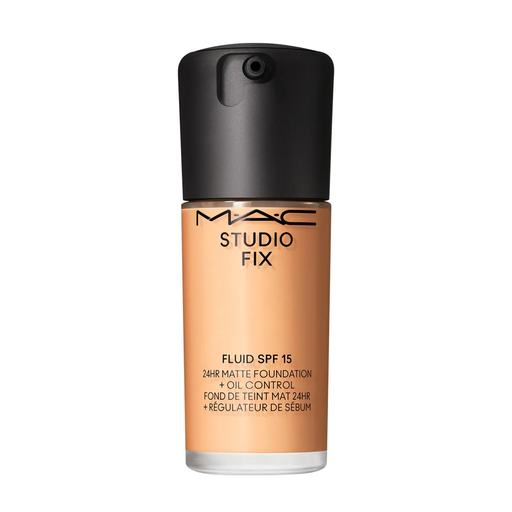
Why this product suits the profile: For long working days, events or a clearly mattified complexion, the product description states that this liquid foundation offers buildable medium to high coverage and SPF 15.
The clear information about finish, coverage and SPF makes it easier to choose. Shade NC25 is described as light-medium with a golden undertone.
Liquid texture, SPF 15 and up to 24-hour wear according to the product description; the bottle should be shaken before application.
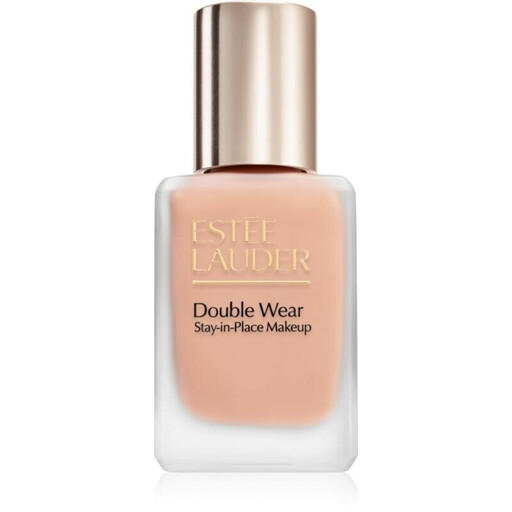
Why this product suits the profile: According to the product description, shade 1N0 Porcelain is very fair with a neutral undertone. The formula is aimed at those looking for a matte finish and flexible coverage.
The clear shade code 1N0 makes it easier to search for a very fair, neutral tone. Thin layers help avoid an overly heavy finish.
30 ml, oil-free formula according to the manufacturer, SPF 10 and buildable medium to high coverage.
We have put together a complete, regularly updated list of products that fully meet these strict selection criteria and the safety regulations applicable in the EU.
With a foundation for sensitive skin, compare the ingredients with any known individual triggers. If the formula changes, the ingredients list on the packaging supplied with your order is the one that applies.
Balancing, oil-free or naturally matte formulas may be suitable for combination skin. A foundation for combination skin should take dry cheek areas into account as well as the T-zone. Applying a thin layer and powdering selectively is generally more effective than applying a very heavy layer all over the face.
Many products carry an open-jar symbol, such as 12M or 24M. This indicates the recommended period of use after opening. You should also monitor the product’s smell, colour, consistency and how your skin reacts to it. If any of these change, stop using the product.
No. The sun protection provided by foundation should be viewed as an additional measure. For longer periods outdoors, you need a suitable sunscreen applied in a sufficient amount and reapplied regularly. SPF in make-up can complement your daily routine, but it does not replace comprehensive sun protection.