
Lieferung heute & morgen

Qualitätsgarantie

Willkommens-Angebote freischalten: KOSTENLOSE Lieferung | Bis zu 80 % RABATT | Kostenlose 30-Tage-JoyPlus-Testphase
App herunterladen
Foundation should even out your complexion without sitting visibly on the skin. In practice, however, unsuitable purchases are often caused not by the texture, but by the wrong shade, an unsuitable finish or exaggerated claims about wear. So before comparing liquid foundation, cushion foundation and pressed powder, you should first clarify your own requirements.
“Light” or “dark” only describes the colour depth. The undertone is equally important:
A foundation for fair skin can still look too orange or too pink despite having the right depth. The same applies to foundation for dark skin: a warm or neutral undertone can significantly change the result. Ideally, check the shade along the transition from your face to your neck, in natural light.
A matte foundation can be a good choice for oily or combination skin, while dry skin may benefit from a lighter, hydrating texture. A glow finish reflects light and creates a more radiant look, but can also emphasise shine in the T-zone.
The term “pore-refining make-up” should also be viewed realistically. These products can visually soften the appearance of skin texture, but they do not permanently change the size of your pores.
Claims such as “long-lasting foundation”, “24 hours” or “72 hours” generally come from brand communications and depend on skincare, climate, application technique and friction. They are not a guaranteed result for everyone.
A foundation with SPF can form part of your daily routine, but during prolonged or intense sun exposure it should not automatically be treated as your only sun protection. Evidence should relate to the specific product labelling. According to the product information, for example, the Clinique Even Better Clinical Serum Foundation contains SPF20, while the Laneige Neo Cushion Glow is listed with SPF50+ and PA+++.
First choose the colour depth, then the undertone. Test a small amount along your jawline and leave it to settle for a few minutes. Some liquid foundations change in appearance once they dry. Daylight shows the shade more reliably than warm bathroom lighting.
For very fair skin, shades such as “Porcelain”, “Alabaster”, “Vanilla” or “Natural Ivory” may be suitable. These names are not standardised across brands. For darker skin tones, specific shade names such as “Rich” are not enough on their own either: check the stated colour depth and undertone.
Coverage is usually described as light, medium or high. A buildable foundation with medium to high coverage allows you to start with a thin layer and add more only where needed. This reduces the risk of a heavy or patchy finish.
A cushion foundation is dabbed on with the included pad. It is practical for use on the go and generally allows you to build coverage gradually. Liquid foundation can be applied with your fingers, a brush or a sponge. Pressed powder such as Clinique Superpowder Double Face Makeup can be used as foundation or applied over a liquid base for touch-ups.
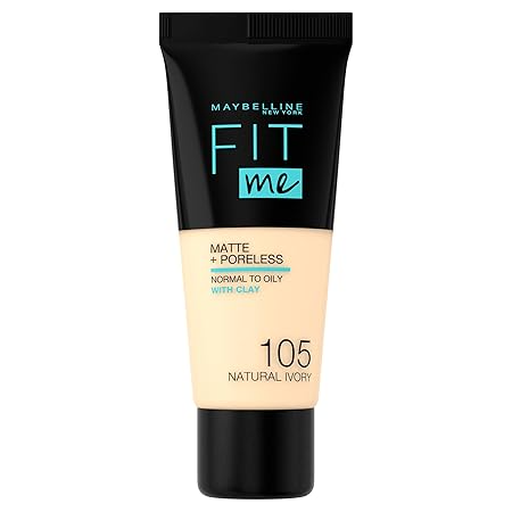
Why this product suits this profile: The liquid foundation is easy to apply with your fingers, a sponge or a brush and, according to the product description, is intended for normal to oily skin.
The stated shade, 105 Natural Ivory, and the recommended skin type make it easier to narrow down your choice. However, you should still check the undertone before buying.
Oil-free formula according to the product data, 30 ml capacity and a matte finish with light, buildable coverage.
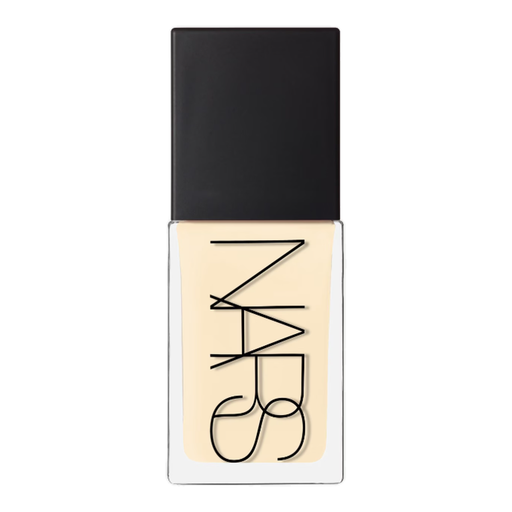
Why this product suits this profile: The L0 Siberia shade is described as suitable for very fair skin. Its medium coverage and natural, radiant finish are ideal for anyone who prefers a less matte result.
The shade name helps with choosing a product for very fair skin. Before buying, you should still compare the neutral undertone with your own complexion.
30 ml capacity, lightweight texture and medium coverage with a natural, light-reflecting finish according to the product description.
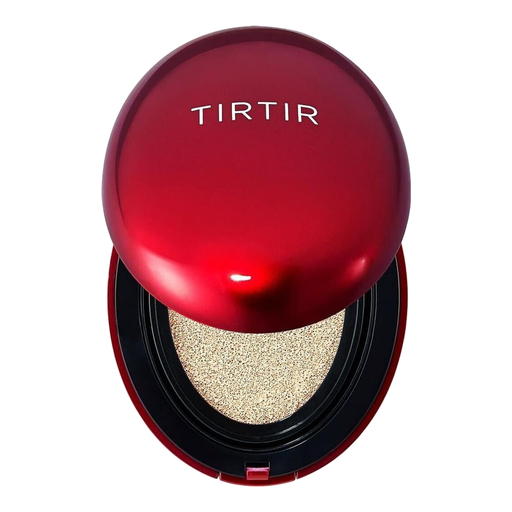
Why this product suits this profile: The cushion format is ideal for quick touch-ups on the go. The product description states that it offers high coverage, a semi-matte finish and SPF40.
The buildable application allows you to use thin layers rather than a large amount of product. SPF40 should still not be considered a complete replacement for separately applied sun protection.
Cushion pad for dab-on application, 18 g capacity, a neutrally described undertone and SPF40 according to the product data.
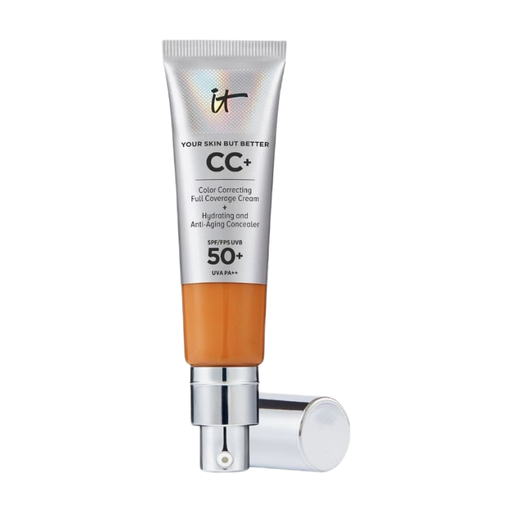
Why this product suits this profile: According to the product data, the Rich shade is intended for a deep, warm skin tone. Its creamy texture combines make-up with a natural finish.
The clear shade description prevents a standard fair shade from being mistaken for a suitable option for darker skin. The warm undertone should be checked against your individual complexion.
Medium coverage, SPF50+ and a liquid cream formula according to the product description; the formula contains mineral UV filters.
We have put together a complete, regularly updated list of products that fully meet these strict selection criteria and the safety regulations applicable in the EU.
Check colour depth and undertone separately. Test the shade along your jawline in daylight, then compare it with your neck and décolletage after a few minutes. Product names such as “Porcelain” or “Vanilla” vary between brands and cannot be directly compared.
A matte foundation or an oil-free liquid foundation can help reduce the appearance of shine. Apply thin layers, use suitable skincare and, if necessary, a mattifying powder. With combination skin, it may be best to mattify only the T-zone more thoroughly.
The open-jar symbol, the best-before date and the information on the packaging are the key points to check. If the smell, colour or consistency changes, the product should no longer be used. Cushion products should be closed securely after every use to prevent the texture from drying out prematurely.