
Lieferung heute & morgen

Qualitätsgarantie

Willkommens-Angebote freischalten: KOSTENLOSE Lieferung | Bis zu 80 % RABATT | Kostenlose 30-Tage-JoyPlus-Testphase
App herunterladen
As a Joybuy Product Recommendation Officer, I see countless people with sensitive skin searching for suitable products every day. Redness, itching, or an uncomfortable feeling of tightness are often the result of using the wrong skincare. Fragrances in particular, even in low concentrations, can be a major stressor for sensitive skin. However, the market for fragrance-free skincare is crowded and filled with marketing claims that don't always deliver.
This guide will help you avoid the common pitfalls and make an informed choice that meets your skin's needs.
Before you spend money on another product that ends up forgotten in your bathroom cabinet, you should be aware of these common misconceptions:
To find a suitable fragrance-free cream, you should be guided by facts, not marketing claims. Pay attention to the following three points:
The International Nomenclature of Cosmetic Ingredients (INCI) is the standardised list of all ingredients on the packaging. This is where you'll find the truth about a product. When searching for skincare for a fragrance allergy, you should look out for the following terms and avoid products that contain them:
Important Note: Even products labelled as 'odourless' or 'unscented' can contain so-called masking fragrances to cover the natural scent of the ingredients. Only the term 'fragrance-free' and a clean INCI list provide certainty.
Good skincare for sensitive skin not only avoids irritants but also actively strengthens the skin with proven active ingredients. Look for formulas that contain the following ingredients:
The requirements for a fragrance-free face cream differ from those for a fragrance-free hand cream.
Based on the criteria above, we have identified several products that represent a considered choice for specific user profiles.
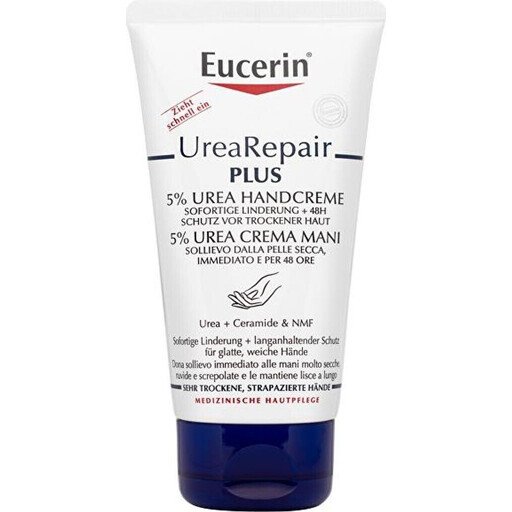
Why This Fits Their Persona: Ideal for individuals whose hands are extremely dry and rough due to frequent washing, sanitisers, or cold weather. The cream provides intensive care without leaving a greasy film.
The formula consistently omits fragrances, relying instead on proven, highly effective ingredients. The INCI list is transparent and free from common allergens and vague marketing terms.
Contains a combination of 5% Urea, Ceramides, and Natural Moisturising Factors (NMFs) to strengthen the skin barrier. According to the manufacturer, it provides protection against dryness for up to 48 hours.
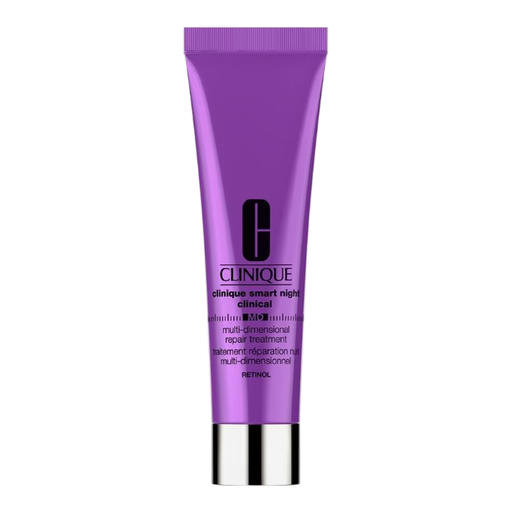
Why This Fits Their Persona: For users seeking an effective anti-ageing treatment with retinol but need to avoid irritating additives due to sensitive skin or a fragrance allergy.
Clinique is known for its consistently fragrance-free and allergy-tested product philosophy. This product bypasses the "hypoallergenic" trap with a clear, verifiable standard and transparent communication.
Combines the active ingredient Retinol to support skin regeneration with a rich, moisturising base. The formula is non-comedogenic and designed for mature skin.
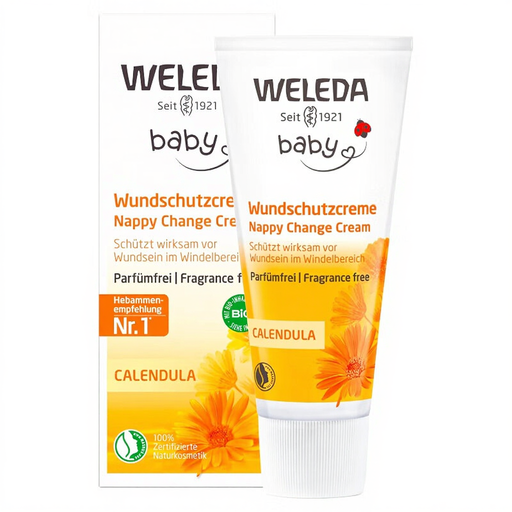
Why This Fits Their Persona: Designed for parents seeking a reliable and low-irritant protective cream for their baby's sensitive nappy area. The formula is reduced to the essentials to protect delicate skin.
This product avoids the "natural cosmetics" fallacy by offering an explicitly fragrance-free version. It acknowledges that even natural fragrances can be unsuitable for a baby's skin.
Provides reliable moisture protection with skin-related lanolin and Zinc Oxide. Almond oil and extracts from organic calendula and chamomile gently nourish and soothe the skin.
We have compiled a complete, real-time list of products that fully satisfy these strict selection criteria and UK safety regulations.
No, the terms are not identical. A product labelled as 'odourless' or 'unscented' can contain fragrances that simply neutralise the natural scent of the ingredients (masking agents). In contrast, a product marked as "fragrance-free" should contain no fragrances whatsoever. Checking the INCI list is always the safest approach.
Look for terms like 'Parfum', 'Fragrance', or 'Aroma'. Additionally, there are 26 declarable allergenic fragrances that are considered common allergens and must be listed individually. These include, for example, Linalool, Limonene, Geraniol, Citral, Cinnamal, Coumarin, and Farnesol. A quick online search for the INCI name can provide clarity.
Yes, absolutely. Avoiding fragrances in skincare is a preventative measure. It reduces the skin's daily exposure to potential irritants and minimises the risk of developing a fragrance allergy or sensitivity over time. It's a simple way to support long-term skin health.