
Lieferung heute & morgen

Qualitätsgarantie

Willkommens-Angebote freischalten: KOSTENLOSE Lieferung | Bis zu 80 % RABATT | Kostenlose 30-Tage-JoyPlus-Testphase
App herunterladen
By a Joybuy Product Recommendation Officer
Fragrant rice is the foundation of countless Asian dishes. Yet, when you're shopping, you often face a shelf full of confusing labels: Jasmine rice, Thai rice, AAA-quality, broken rice. Making the right choice is crucial for the success of your recipes. The wrong assumptions can quickly lead to disappointing results and wasted money. This guide will help you navigate the common pitfalls and find the perfect rice for your needs.
Before we dive into the details, let's address the most common issues that arise when purchasing aromatic rice.
To avoid making the wrong choice, focus on three objective criteria: the rice variety, the grain quality, and the package size.
The term fragrant rice is a general category for rice varieties with a natural aroma. The most famous type is Jasmine rice, which is primarily grown in Thailand and known there as "Thai Hom Mali." It is characterized by its floral aroma and a soft, slightly sticky texture after cooking.
Other aromatic rice varieties also exist, for example, from Cambodia or Vietnam, which have similar yet distinct flavour profiles. If a recipe specifically calls for Thai Rice, you should look for "Thailand" as the country of origin and, ideally, the "Hom Mali" designation. For desserts like mango sticky rice, you need a special variety called glutinous rice, which develops a much stickier consistency than regular Jasmine rice.
The integrity of the rice grains directly impacts cooking time and texture.
For families, Asian cuisine enthusiasts, and food service businesses, buying a bulk bag of rice (e.g., 5 kg, 10 kg, or more) is an economical choice. The price per kilogram is typically much lower than that of smaller packages. When purchasing a bulk bag of rice, look for durable packaging that is ideally resealable or vacuum-sealed. After opening, the rice should be stored in an airtight container in a cool, dry, and dark place to preserve its freshness and aroma.
Here are a few recommendations tailored to different needs and use cases.
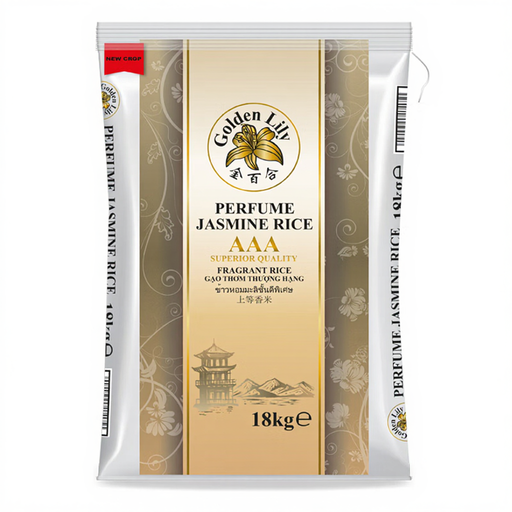
Why This Fits Their Persona: Ideal for families and food service businesses who cook regularly and need an authentic Jasmine rice as a staple. The 18 kg bulk bag offers excellent value for money.
It provides a large quantity of authentic Jasmine rice at a great price per kilogram, allowing you to bypass overpriced smaller packages with unclear origins.
The durable, woven packaging is resistant to moisture and pests, ensuring freshness even during long-term storage at home.
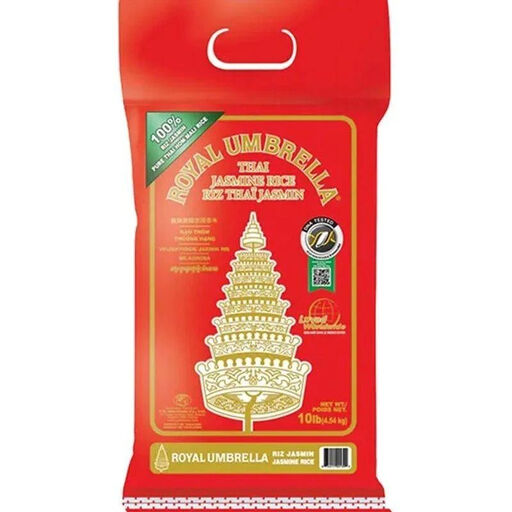
Why This Fits Their Persona: Perfect for preparing traditional Southeast Asian desserts like mango sticky rice or savoury dishes where a distinctly sticky and soft texture is essential.
This is genuine glutinous rice, not a long-grain variety. This prevents the common mistake of making desserts with unsuitable Jasmine rice, which would result in the wrong texture.
Guarantees the authentic, soft, and very sticky consistency required for special recipes from Southeast Asian cuisine.
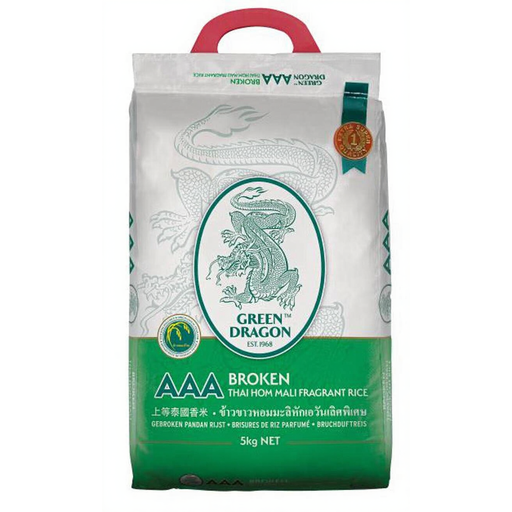
Why This Fits Their Persona: Ideal for those looking for a quick-cooking rice option for everyday meals, stir-fries, or for preparing creamy rice porridge (congee).
It debunks the "AAA-Grade" trap by demonstrating that for certain applications, broken rice is not only more affordable but also more suitable than expensive whole-grain rice.
Shorter cooking time (approx. 10-12 minutes) and a softer texture that absorbs the flavours of sauces and spices exceptionally well. Often more budget-friendly.
While both are aromatic long-grain rice varieties, there are clear differences. Jasmine rice typically comes from Southeast Asia (especially Thailand), has a floral aroma, and cooks to a soft, slightly sticky consistency. Basmati rice, which is mainly grown in India and Pakistan, has a nuttier aroma. Its grains elongate as they cook and remain drier and more separate.
To maintain the quality of a bulk bag of rice, you should transfer the rice into a large, airtight container after opening. Store it in a cool, dry place away from direct sunlight. This prevents the rice from absorbing moisture, losing its aroma, or becoming infested with pantry pests.
No, broken rice is not necessarily lower in quality. It consists of rice grains that have broken during the hulling and polishing process. From a nutritional standpoint, it is identical to whole-grain rice. However, due to its fractured structure, it cooks faster and becomes softer. For dishes like the Asian rice porridge congee or risotto-style meals, its creamy texture actually makes it the superior choice, and it's usually more cost-effective.